
Vegetables
Zone 4’s harsh winters and short growing seasons don’t have to limit your garden. These 10 cold-hardy vegetables thrive in freezing temperatures, extending your harvest and reducing food costs—perfect for gardeners in Minnesota, Maine, or the Great Lakes region.
Kale: The Frost-Enhanced Green Powerhouse

Zone 4 gardeners, rejoice—kale isn’t just a cold-hardy crop; it becomes sweeter and more tender after a light frost. This nutrient-packed green thrives in both fall and early spring, making it one of the most rewarding vegetables for your climate’s short growing season.
Plant Lacinato (Dinosaur) kale or Winterbor varieties in well-draining soil with full sun to partial shade, and harvest leaves as needed (you won’t need to cut the whole plant). It grows beautifully in containers (10-12 inches deep) or full garden beds, and even tolerates light freezes. For extra protection, add a row cover before hard frosts.
This versatile green is packed with vitamins A, C, and K, and its mild, slightly sweet flavor after frost makes it a standout in salads or sautéed dishes. Urban gardeners and beginners will love how forgiving kale is—it’s the perfect way to extend your harvest well into winter. 🌱
Potatoes: Underground Cold-Weather Survivors

Zone 4 gardeners, you can beat the heat by planting potatoes early—these underground survivors thrive in cool soils and produce bountiful harvests before summer arrives. Unlike many crops, potatoes actually prefer cooler temperatures, making them perfect for spring planting as soon as the soil reaches 40°F.
Choose between table varieties like Yukon Gold for fresh eating or storage types such as Kennebec for long-term keeping. Plant seed potatoes in loose, well-drained soil with plenty of organic matter, and hill them as they grow to encourage larger tubers. For a continuous harvest, stagger plantings every 2-3 weeks—this ensures a steady supply of homegrown spuds.
This versatile crop is ideal for beginners and space-conscious gardeners alike, as it grows well in containers or small plots. With minimal care, you’ll enjoy fresh potatoes all summer long—no summer heat required! 🌱
Spinach: Fast-Growing Cool-Season Staple

If you're craving fresh greens but hate waiting months for harvests, spinach delivers in just 30 days—ideal for Zone 4’s short growing season. This cool-season champion bolts (goes to seed) when temperatures rise, but thrives in spring and fall when nights dip below 60°F. Plant seeds directly in well-drained soil after your last frost date, spacing them 2 inches apart for a dense, leafy harvest.
For continuous harvests, succession plant every 2 weeks until early summer. Use row covers to extend the season into late fall, protecting tender leaves from light frosts. Varieties like 'Bloomsdale Long Standing' or 'Giant Winter' hold up best in cold climates, offering both baby leaves for salads and mature leaves for cooking. This low-maintenance green is perfect for beginners or urban gardeners with limited space—just a few square feet yields enough for weeks. 🌱
Carrots: Sweet and Crunchy in Cold Soil

Skip the summer heat and plant carrots in Zone 4’s cooler months for roots that taste sweeter than store-bought. Unlike summer crops, they thrive in 50-65°F soil and actually develop more sugar when exposed to light frost—making them a perfect late-season harvest.
Choose from quick-maturing varieties like ‘Paris Market’ (50 days) for early harvests or ‘Danvers’ (75 days) for longer storage. Loosen soil thoroughly to prevent forking, and sow seeds directly in well-drained beds after the last frost. A light mulch of straw protects them from early cold snaps while keeping roots crisp.
Zone 4 gardeners with limited space will love that carrots grow well in deep containers (12+ inches) or raised beds. Their crisp texture and natural sweetness make them a must-have for fall and winter meals. 🌱
Brussels Sprouts: Frost-Improved Flavor Bombs

If you’ve ever avoided Brussels sprouts because of their reputation for bitterness, think again—frost actually makes them sweeter! This compact vegetable thrives in Zone 4’s cooler months, producing flavorful sprouts that improve with a light freeze. The real bonus? You can harvest the edible leaves along the way, giving you a double harvest from the same plant.
Brussels sprouts grow best in full sun to partial shade and prefer well-drained soil with a pH of 6.5–7.0. Their upright, bushy habit makes them perfect for small gardens or even large containers—ideal if space is limited. For extra flavor, let a light frost hit the plants before harvesting, then pick sprouts from the bottom up as they mature. Succession planting every 2–3 weeks ensures a steady supply from late summer through fall.
Urban gardeners and beginners will love how forgiving Brussels sprouts are—they tolerate cooler temperatures better than many other vegetables, and their compact size means they won’t overwhelm your plot. Plus, their year-round storage capabilities mean you can enjoy homegrown goodness long after harvest. 🌱
Peas: Early Spring and Late Fall Harvests

Want to squeeze every possible harvest out of your Zone 4 garden? Peas are your secret weapon—plant them as soon as the soil is workable in early spring, and you'll enjoy fresh pods long after other crops have bolted. These cool-weather champions thrive in temperatures between 35°F and 75°F, making them perfect for both spring and fall planting.
Choose from snap peas (ready in 55-65 days), shelling peas (60-70 days), or snow peas (60-70 days) for versatility. Plant seeds 1 inch deep and 2-3 inches apart, with rows spaced 18-24 inches apart. Use a trellis or stakes to save space and improve air circulation, which helps prevent fungal diseases in Zone 4's damp springs. For a late fall harvest, sow seeds 6-8 weeks before your first frost date—they'll keep producing until hard freezes arrive.
Peas are especially rewarding for beginner gardeners and those with limited space, as they grow quickly and don't require much maintenance. Plus, their nitrogen-fixing roots improve soil fertility for next year's crops! 🌱
Beets: Colorful Roots for Cold Climates

Zone 4 gardeners, meet your new dual-purpose superstar: beets. This versatile crop delivers both nutrient-packed roots and tender greens, all while thriving in cool weather—even after light frost. Unlike other vegetables, beets reward you with two harvests: the earthy roots for roasting or pickling, and the leafy tops perfect for salads or sautéing.
Plant beet seeds ¼-inch deep in well-drained soil when temperatures drop below 75°F, and enjoy harvests in just 50-60 days. Their cold-hardy nature means they’ll keep producing until frost, and stored roots last for months in a cool, dark place. For extra flavor, try heirloom varieties like Chioggia (striped) or Golden (mild, sweet).
This is the perfect crop for space-saving gardeners—beets grow well in containers or tight rows, and their greens add vibrant color to any bed. Whether you're a beginner or a seasoned grower, beets bring year-round value to your table. 💚
Cabbage: Versatile and Winter-Resilient

If you're looking for a vegetable that thrives in Zone 4's cool climate and keeps giving long after harvest, cabbage is your answer. This hardy biennial forms tight, flavorful heads in temperatures that would wilt many other crops, and its storage life can last months in a cool, dark place.
Plant cabbage seeds 4-6 weeks before your last spring frost or in early summer for a fall harvest. Varieties like 'Golden Acre' or 'Red Express' mature in 70-90 days and handle light frosts beautifully. For year-round meals, try fermenting heads into sauerkraut or storing whole heads in a root cellar—both methods preserve nutrients and flavor.
Zone 4 gardeners will appreciate cabbage's dual-season potential and minimal fuss. It's the perfect crop for beginners and experienced growers alike who want reliable harvests without summer heat stress. 🌱
Radishes: Quick Cold-Weather Harvests

Want a fast, colorful harvest that thrives in Zone 4’s cool springs and falls? Radishes deliver peppery crunch in just 3 weeks, making them the ultimate beginner-friendly crop for succession planting.
Sow seeds directly into cool soil (50–70°F) every 2–3 weeks from early spring through late summer for continuous harvests. Varieties like Cherry Belle or French Breakfast mature quickly, while longer types like Black Spanish add drama to winter salads. Thin seedlings to 1–2 inches apart to prevent crowding.
Urban gardeners and small-space growers love radishes for their compact roots and ability to thrive in containers. Their vibrant colors also brighten up garden beds while keeping pests away. 🌻
Swiss Chard: Perennial Cold-Hardy Leafy Green

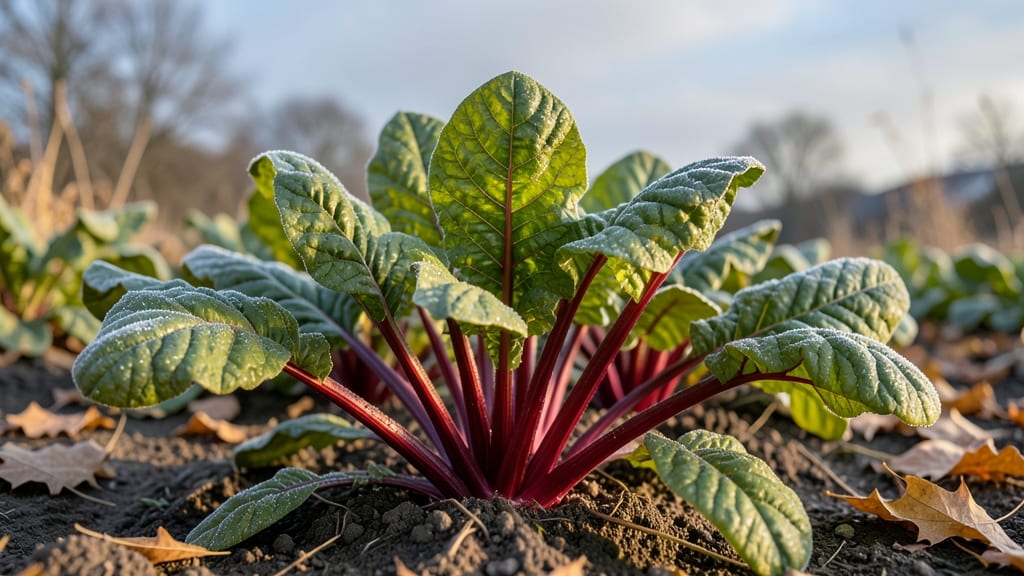
If you’re tired of annuals that bolt or die back with the first frost, Swiss chard is your perennial powerhouse for Zone 4 gardens. This cold-hardy leafy green not only survives light frosts but actually tastes sweeter after a touch of chill—making it a standout for late-season harvests.
Unlike most greens, Swiss chard regrows after cutting, so you can harvest outer leaves repeatedly without sacrificing the plant. Its striking colorful stems (in shades of pink, yellow, or white) add visual appeal to containers or garden beds, while the leaves stay tender even as temperatures dip. Plant seeds directly in spring or fall for a year-round harvest—just protect young plants with row covers during unexpected freezes.
Perfect for beginners and small spaces, Swiss chard thrives in partial shade and tolerates poor soil better than many vegetables. It’s the ultimate low-maintenance crop for extending your garden’s productivity well into winter. 💚