| January |
Start seeds indoors: tomatoes, peppers, eggplant |
Direct sow: lettuce, spinach, peas, carrots, broccoli, cabbage |
Green onions, radishes, arugula |
Cool nights, mild days—ideal for greens. Use shade cloth for seedlings. |
| February |
Transplant warm-season seedlings (tomatoes, peppers) after last frost risk |
Direct sow: kale, collards, beets, Swiss chard |
Green onions, radishes, microgreens |
Soil warms up—time for heat-lovers. Mulch to retain moisture. |
| March |
Plant: okra, sweet potatoes, corn, cucumbers, squash |
Direct sow: turnips, radishes, lettuce (shade cloth) |
Green onions, radishes, mustard greens |
Heat builds—use drip irrigation and shade cloth for seedlings. |
| April |
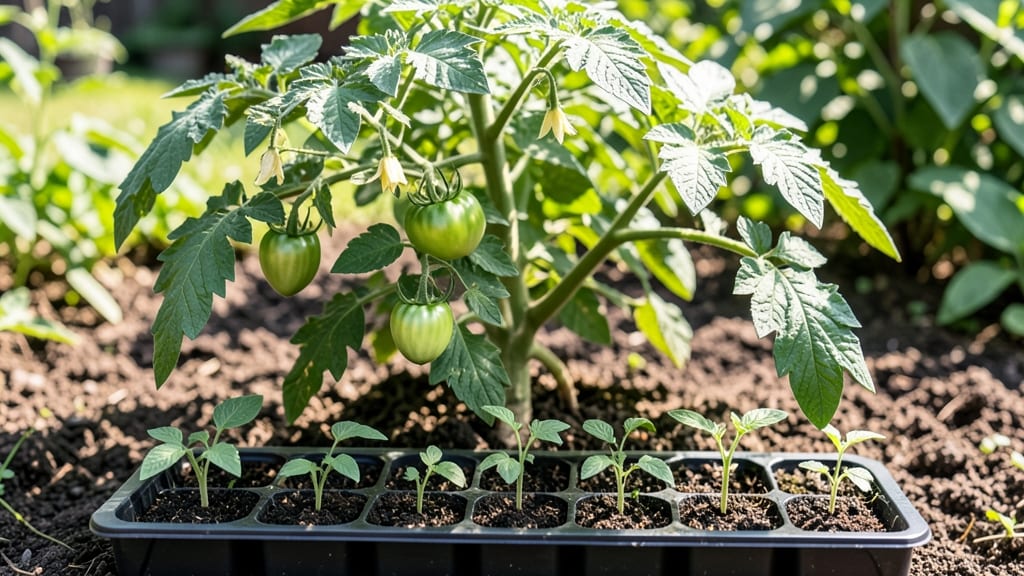
Plant: tomatoes, peppers, eggplant (with shade cloth) |
Direct sow: bush beans, beets, carrots (evening sowing) |
Green onions, radishes, cilantro |
Hot days arrive—water deeply at night to prevent bolting. |
| May |
Plant: okra, sweet corn, cucumbers, melons (with shade) |
Avoid—heat stress for cool crops |
Green onions, radishes (shade), basil |
Peak summer—use 30-50% shade cloth for seedlings. |
| June |
Harvest: tomatoes, peppers, cucumbers, squash |
N/A |
Green onions, radishes (shade), basil |
Focus on succession planting for fall crops like broccoli. |
| July |
Plant: fall tomatoes, peppers, eggplant (shade) |
Direct sow: bush beans, carrots, beets (shade) |
Green onions, radishes, cilantro |
Soil prep for fall—add compost and mulch now. |
Top 5 mistakes Zone 9B gardeners make with planting timing (and how to fix them)
As a Zone 9B gardener, I've seen firsthand how small timing mistakes can turn a thriving garden into a struggle. The biggest challenge? Our mild winters and intense summers create unique planting windows that confuse even experienced growers.
One wrong move—like planting tomatoes too early—can lead to bolted greens or wilted seedlings before they even establish.
Another common pitfall is ignoring soil temperature when starting summer crops. Many gardeners rush to plant peppers or okra in April, only to watch them languish in 50°F soil that's too cold for roots to thrive.
Meanwhile, cool-season crops like broccoli or carrots get overlooked for fall planting because we assume they'll just grow anytime.
Here's the harsh truth: Microclimates in Zone 9B (like coastal vs. inland areas) can shift planting windows by 2-4 weeks. What works in San Diego may fail in Phoenix, and vice versa. Without adjustments, you're essentially gambling with your harvest.
⚠️
WARNING: These 3 Timing Mistakes Wipe Out 70% of Zone 9B Gardens
- Planting heat-lovers (like tomatoes or peppers) before May 15—soil stays too cool for germination.
- Ignoring shade cloth for summer seedlings—direct sun can fry basil or cucumbers in 90°F+ temps.
- Skipping winter crops (like kale or spinach60-70°F winters.
Let's start with Mistake #1: Planting heat-loving crops too early. I see this every spring when gardeners transplant tomato seedlings in March. The problem? Our soil temperature hovers around 55-60°F—far below the 70°F+ these plants need to thrive. The result? Stunted growth, yellowing leaves, and bolting before you even get to harvest. The fix? Wait until after May 15 for warm-season crops, or use black plastic mulch 2-3 weeks earlier to warm the soil faster.
Mistake #2 hits gardeners who overlook succession planting for cool-season crops. Many assume they can plant lettuce once in fall and call it good. But in Zone 9B, our winters are mild enough for 3-4 lettuce harvests if you stagger plantings every 3 weeks. Miss this, and you're leaving empty garden space when you could be growing spinach or radishes instead.
For coastal gardeners, the biggest mistake is ignoring microclimate delays. If you're near the ocean, your planting window shifts 2-3 weeks later than inland areas due to cooler temperatures.
Use local weather data (like your nearest Cooperative Extension office) to adjust timing. For example, plant broccoli in October inland, but wait until November near the coast.
Finally, overlooking winter crops is a missed opportunity. Many Zone 9B gardeners think "winter = nothing grows," but that's false. Kale, carrots, and peas thrive in our 60-70°F winters and can be harvested until March.
Plan a fall planting in September for a winter harvest—it's the secret to year-round gardening in our zone.
★★★★★4.5(3 reviews)