
Advice
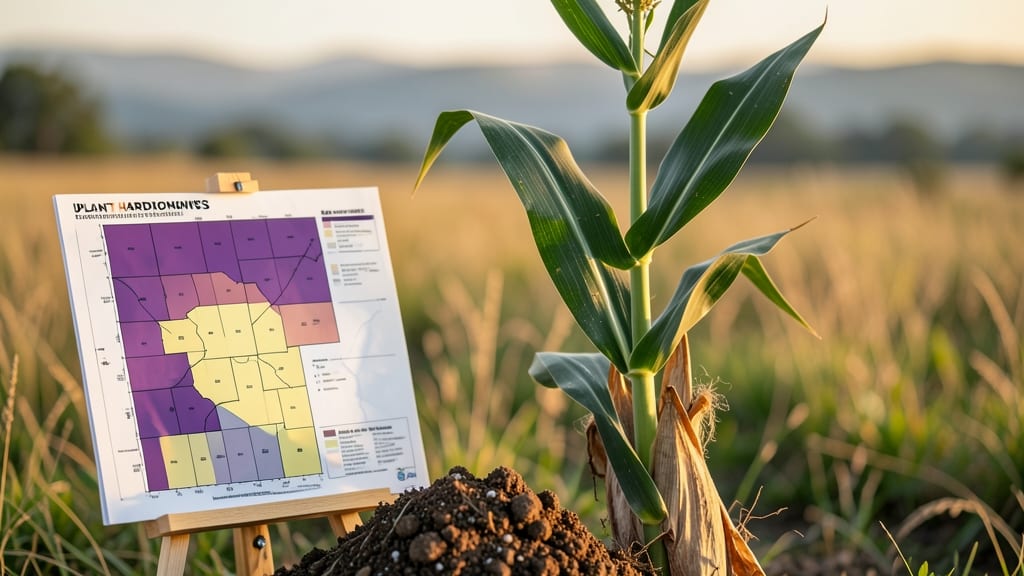
The United States agricultural zones are defined by the USDA Plant Hardiness Zone Map, which organizes regions based on average annual minimum temperatures to help gardeners choose the right plants for their area. These zones range from Zone 1 (the coldest) to Zone 13 (the warmest), with sub-zones (a/b) providing more precise climate distinctions.
The USDA Plant Hardiness Zone Map isn't just about numbers—it's a gardener's roadmap to success. 🌱 Each zone reflects the average lowest winter temperature in an area, helping you pick plants that can survive your local climate.
For example, Zone 5's -15°F to -20°F range means you can grow hardy crops like winter wheat but should avoid tropical plants. Sub-zones like 5a/b help fine-tune choices when your area sits right on the border between two zones.
I always check my local zone before buying seeds, as it saves time and money by preventing frost damage to tender plants.
What's interesting is how microclimates can shift these zones.
A south-facing wall or urban heat island might make your backyard a Zone 6 even if the official map says Zone 5. 🌿 That's why I recommend using the interactive USDA map to pinpoint your exact location—it accounts for these local variations.
For container gardening or raised beds, you can sometimes push zone limits by bringing plants indoors during cold snaps or using row covers.
💡 In This Article
- How USDA Plant Hardiness Zones Determine Crop Suitability
- Navigating Agricultural Zones for Gardening Success
How USDA plant hardiness zones determine crop suitability
The USDA Plant Hardiness Zone Map uses average annual minimum temperatures to create boundaries where plants can survive winter's harshest conditions. Each zone represents a 10°F difference—Zone 1 endures -60°F winters, while Zone 13 never drops below 60°F.
This temperature range determines which plants' cellular structures can withstand frost damage. For instance, cold-hardy crops like winter rye thrive in Zone 2 (-50°F to -40°F), while tropical plants like mangoes only survive in Zone 11 (40°F to 50°F).
The science lies in how plant cells freeze: ice crystals form between cell walls in hardy species, while tender plants' cell membranes rupture under -5°F exposure. 🔥
Growing degree days (GDDs) further refine suitability by measuring heat accumulation during the growing season. These calculations help determine when plants transition from dormancy to active growth—a critical factor for warm-season crops like tomatoes needing 1,200+ GDDs to mature.
The USDA map's sub-zones (a/b) account for these nuances: Zone 7a (-10°F to -5°F) allows early spring planting of peas, while Zone 7b (0°F to -5°F) may delay planting until after last frost.
Microclimates—like a sheltered garden spot—can shift your effective zone by 1-2 degrees, creating pockets where Zone 6 plants thrive in an officially designated Zone 5 area. 🌿
Understanding these zones means avoiding costly mistakes. A Zone 5 gardener planting Zone 9 citrus trees risks $50+ annual losses from winter dieback. Conversely, selecting Zone 3-4 perennials like coneflowers ensures 5+ years of low-maintenance blooms with minimal care.
The map also explains why northern climates have shorter growing seasons: Alaska's Zone 1 (-60°F) limits outdoor gardening to 60-90 days, while Florida's Zone 10 (30°F to 40°F) offers year-round possibilities for heat-tolerant crops. This precision transforms guesswork into data-driven gardening. ✨
What most gardeners overlook is how urban heat islands can reclassify zones. Concrete and asphalt absorb heat, raising temperatures by 5-10°F in cities—meaning a Zone 6 downtown might support Zone 7 plants. Similarly, high-elevation areas can be 2-3 zones colder than surrounding lowlands due to thinner air.
These variations explain why Denver (Zone 5) grows similar crops to Chicago (Zone 5) despite being 1,600 feet higher. The USDA map's interactive tool lets you overlay these factors for hyper-local accuracy. 💫
For container gardeners, zone flexibility expands dramatically. Potted plants can be moved indoors during -10°F nights, effectively extending their range by 3-4 zones.
This technique works wonders for Zone 9 citrus trees in Zone 5 backyards—just ensure containers have drainage holes and use insulated pots to prevent root freeze. The key is matching a plant's chill-hour requirements (how many hours below 45°F it needs) to your microclimate's winter patterns.
For example, apple trees need 500-1,000 chill hours, making them ideal for Zone 5 but unsuitable for Zone 9's mild winters. 🍎
Pro tip: Check the USDA's interactive map for your ZIP code—it shows your exact zone with satellite imagery. Overlay it with your garden's layout to spot sun/shade patterns that create microclimates.
For example, a south-facing wall can add 1-2 zones of warmth to a cold spot. This level of detail turns the abstract zone numbers into actionable gardening strategies. 🌱