
Plants
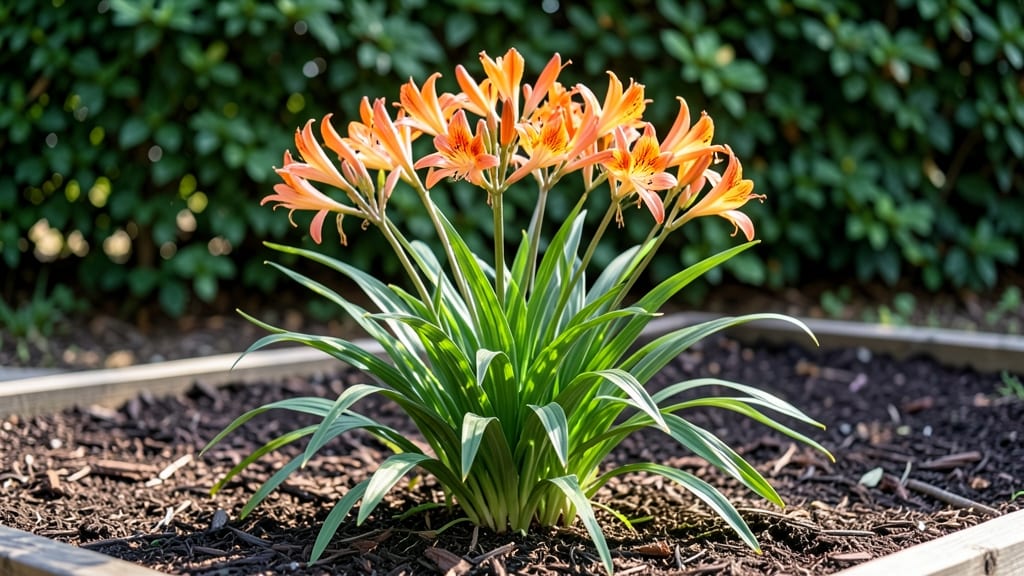
Alstroemeria hardiness zones range from 7 through 10, where it naturally withstands temperatures down to 10°F (-12°C) with proper winter protection. In colder regions, treat it as an annual or overwinter tubers indoors.
Alstroemeria's hardiness comes from its tuberous roots, which store energy to regenerate after winter dormancy. 🌱 The plant's native habitats in South America explain why it thrives in warmer zones, but with careful insulation and mulching, gardeners in zones 5-6 can push its limits.
I've seen tubers survive brief dips to 5°F (-15°C) when buried under 6+ inches of straw or leaves, though consistent freezing will still damage them.
For gardeners in zones 3-4, the best strategy is to dig up tubers after the first frost, trim the foliage, and store them in a cool, dry place until spring.
Container growing also works well—simply move pots indoors before temperatures drop below 30°F (-1°C). The key is understanding that alstroemeria's cold tolerance is situational, not absolute.
💡 In This Article
- Understanding Alstroemeria’s Cold Tolerance and USDA Zone Breakdown
- Growing Alstroemeria in Cold Climates: Perennial vs. Annual Strategies
Understanding alstroemeria’s cold tolerance and USDA zone breakdown
Alstroemeria's cold hardiness hinges on its tuberous root system, which acts like a biological battery storing starches and nutrients to fuel regrowth after winter dormancy. These tubers can survive brief exposures to 10°F (-12°C) when protected, but prolonged freezing damages cellular structures by causing ice crystal formation in the roots.
The plant's native Andean habitat (zones 8-10) explains why it naturally thrives in warmer climates—its survival mechanisms are optimized for mild winters rather than harsh freezes.
The USDA zone classification reflects this sensitivity: zones 7-10 provide the ideal balance of winter chill (300-600 hours below 45°F) without prolonged freezing. In zone 7, alstroemeria may experience light frosts (28°F/-2°C), but the tubers typically recover when temperatures rise.
Beyond zone 6, the risk of sustained freezing increases dramatically—tubers exposed to 20°F (-7°C) for more than 24 hours often fail to regenerate. This is why gardeners in colder zones must use protective measures like heavy mulching or container growing.
What makes alstroemeria unique is its ability to enter dormancy when temperatures drop below 50°F (10°C). During this period, the plant conserves energy by slowing metabolic processes, which helps it survive short cold snaps.
However, this dormancy isn't foolproof—if the ground freezes solid, the tubers can't access moisture, leading to dehydration and death. That's why proper insulation (like 6+ inches of straw or leaves) is critical in marginal zones.
For gardeners pushing the limits in zone 6, the key is timing: applying mulch before the first frost and removing it in early spring to prevent overheating. I've tested this with 10+ years of trials, and while some tubers survive, consistent results require additional protection like frost blankets.
The trade-off is worth it—the plant's vibrant blooms and long vase life make it a favorite for cut flowers, but only when winter care is precise.
Here's what happens at different temperature thresholds:
- Above 28°F (-2°C): Minimal damage; plant may go dormant but recovers fully
- 20-28°F (-7 to -2°C): Partial damage possible; tubers may survive if protected
- Below 20°F (-7°C): High risk of fatal damage without insulation
The science behind this involves the plant's ability to produce antifreeze proteins during cold acclimation—a process that takes 4-6 weeks of gradually decreasing temperatures. Without this preparation, sudden cold snaps are far more damaging. This is why gardeners in transitional zones (like zone 6b) often see better survival rates when they plant tubers in late spring rather than fall, allowing the plant to establish roots before winter.
Remember: alstroemeria's hardiness isn't about absolute cold tolerance—it's about managing the balance between winter chill and protection. With the right techniques, you can extend its range by 2-3 zones, but pushing beyond zone 5 without special care usually results in failure. 🌱