
Planting
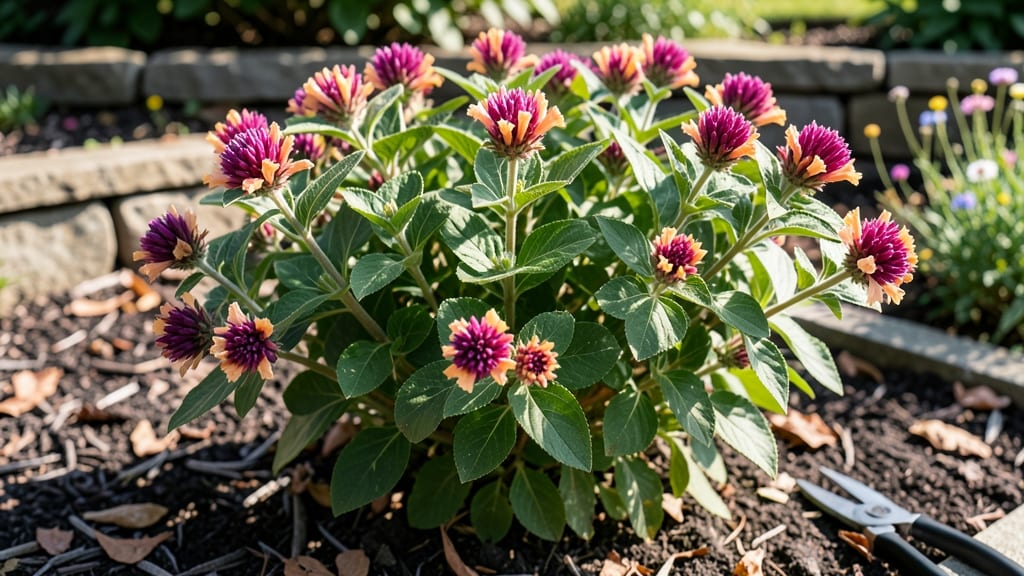
Lantana plants thrive in USDA hardiness zones 8 through 11, where they handle brief cold snaps down to 10°F (-12°C) without major damage. Most varieties are subtropical, so frost or prolonged temperatures below 30°F (-1°C) will kill them.
Understanding lantana's USDA hardiness zones is key to keeping your plants healthy.
These zones (8-11) reflect their subtropical nature, meaning they prefer warmth but can survive short cold spells. 🌡️ The real challenge comes when temperatures stay below freezing for more than a few hours—this is when root systems and foliage start to suffer.
Zone 9 offers the best balance, with mild winters that let lantana thrive year-round without extra care.
If you're in zones 7 or below, don't give up—lantana can still be part of your garden with the right winter strategies. The secret lies in protecting them from prolonged cold, whether through mulching, container overwintering, or choosing microclimates like sunny south-facing walls.
I've seen lantana bounce back beautifully after winter with proper preparation, proving how adaptable they can be when given the right conditions.
💡 In This Article
- USDA Zone Breakdown for Lantana Growth
- How to Protect Lantana in Cold Climates
USDA zone breakdown for lantana growth
Lantana plants thrive primarily in USDA hardiness zones 8 through 11, where their subtropical nature aligns perfectly with the climate. Zone 9 represents the ideal environment, offering mild winters with average lows between 20°F and 30°F (-6°C to -1°C).
This range allows lantana to grow year-round without additional protection, as their root systems can withstand brief dips into the 10°F (-12°C) range for short durations—typically less than 48 hours—before damage occurs.
The difference between zones becomes critical when examining temperature thresholds. In zone 8, where winters dip to 10°F (-12°C), lantana can survive if the cold snap is brief, but prolonged exposure leads to foliage dieback and root stress.
By contrast, zones 10 and 11, with average lows above 30°F (-1°C), provide near-perfect conditions, allowing lantana to flourish with minimal care.
The key factor here is the plant's sensitivity to frost: even a light frost (32°F/0°C) can cause irreversible damage to leaves and stems, though the roots may recover if the ground remains unfrozen.
What most gardeners don’t realize is how lantana’s growth cycle responds to temperature shifts. In zones 8-9, the plant enters a semi-dormant state during cooler months, conserving energy while still maintaining some foliage. This adaptation explains why lantana often greens up quickly in spring, even after a harsh winter.
The root systems, which can extend 12-18 inches deep, act as a thermal buffer, protecting the plant from ground-level temperature fluctuations. However, if the soil freezes solid, the roots suffer, and the plant struggles to regenerate in spring.
For those in zone 7 or cooler, the challenge shifts from survival to strategic placement. Lantana’s ability to tolerate 10°F (-12°C) for short periods is a lifeline, but it’s not enough for prolonged winter conditions.
The critical threshold here is 28°F (-2°C): below this, the plant’s cellular structure begins to rupture, leading to irreversible damage. This is why gardeners in these zones often rely on protective measures—like thick mulch or containers—to simulate the warmer conditions lantana craves.
Consider the visual cues: healthy lantana in zone 9 will have vibrant, clustered flowers year-round, while plants in zone 8 may drop leaves in winter but rebound with new growth by late spring. The contrast highlights how temperature directly impacts the plant’s metabolic processes, from photosynthesis to nutrient uptake.
Even a 5°F (3°C) difference in average winter lows can mean the difference between a thriving lantana and one that struggles to recover.
Here’s a quick comparison of what to expect by zone:
- Zone 8: Survives brief dips to 10°F (-12°C) but may lose foliage; roots stay protected if soil doesn’t freeze solid.
- Zone 9: Ideal growth year-round; minimal winter stress with average lows above 20°F (-6°C).
- Zone 10-11: Thrives without protection; no risk of frost damage.
- Zone 7 or below: Requires winter protection; may only survive if sheltered or overwintered indoors.
The takeaway? Lantana’s zone tolerance isn’t just about surviving cold—it’s about balancing temperature, soil conditions, and protective strategies to keep the plant healthy and blooming. With the right approach, even gardeners in cooler climates can enjoy lantana’s vibrant colors and resilience. 🌿