
Plants
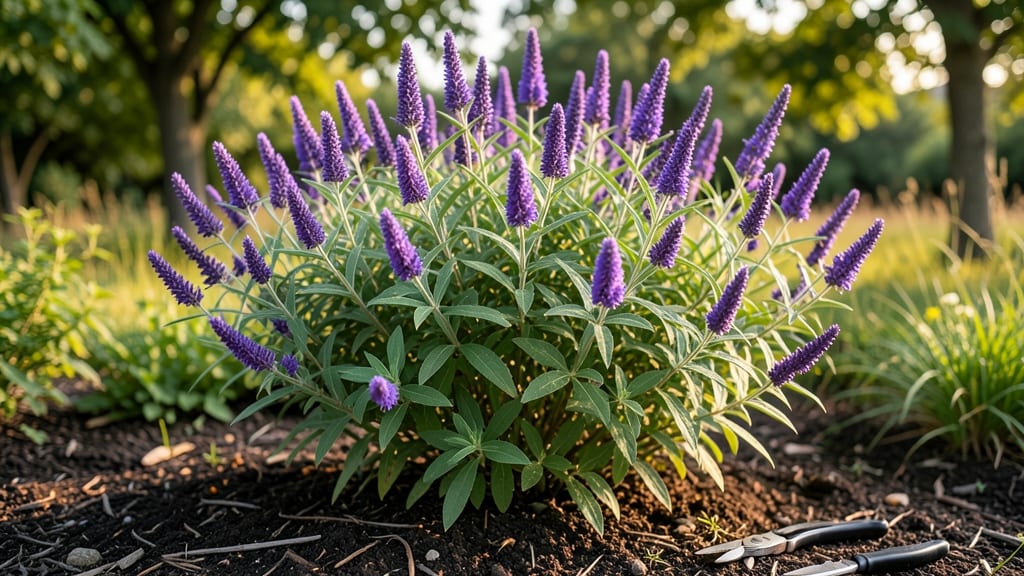
Butterfly bush hardiness zones cover 5 through 9, with most varieties performing best in zones 6-8. Cold-tolerant selections like 'Lo and Behold' endure temperatures down to -20°F (-29°C), while tropical varieties require shelter when temps drop below 20°F (-7°C). Verify your specific cultivar's USDA zone rating before planting.
Understanding butterfly bush hardiness zones means recognizing how different cultivars handle winter stress. 🌿 The key difference lies in their genetic makeup: native North American species developed natural cold resistance, while hybrid varieties often prioritize flower production over frost tolerance.
For example, 'Lo and Behold' can regrow from its roots after severe dieback, while 'Purple Smoke' may need winter protection in zone 5. I always recommend testing your microclimate—just because a plant thrives in zone 6 doesn't mean it will survive in your backyard if you're on the colder edge.
When selecting plants for colder regions, consider these practical strategies: plant near south-facing walls, use thick mulch (4-6 inches) around the base, and avoid late-season pruning that removes protective buds. Container growing extends your options—just move potted bushes to a sheltered location before hard freezes.
The USDA zone map provides a starting point, but local weather patterns often tell the real story about what will survive in your specific garden.
💡 In This Article
- How Cold Tolerance Varies by Butterfly Bush Variety
- Best Butterfly Bush Varieties for Cold Climates
How cold tolerance varies by butterfly bush variety
The cold tolerance of butterfly bushes depends on their genetic origins and breeding focus. Native species like Buddleia davidii developed natural adaptations to survive harsh winters by producing thick, woody stems that act as insulation for the plant's dormant buds.
These stems contain specialized cells that prevent ice crystals from forming in critical growth points, allowing the plant to regrow from the base even after complete leaf dieback.
Hybrid varieties, however, often prioritize abundant flowering over cold resistance, which explains why some struggle in zone 5 when their parents thrive in zone 7.
What sets truly cold-hardy varieties apart is their ability to withstand prolonged exposure to freezing temperatures without irreversible damage. For example, 'Lo and Behold' can endure -20°F (-29°C) because its roots remain protected beneath the soil surface, while its above-ground stems die back completely but regenerate in spring.
In contrast, tropical hybrids like 'Pink Micro' may survive brief dips to 20°F (-7°C) but often suffer permanent damage when exposed for more than a few hours. 🌡️ The key difference lies in their cellular structure—native varieties have thicker cell walls that resist dehydration during freeze-thaw cycles.
This variation in cold tolerance creates practical challenges for gardeners in transitional zones. In zone 6, where winter temperatures can fluctuate wildly, some butterfly bushes may survive the cold but fail to bloom properly if their energy is diverted toward regrowth rather than flower production.
The solution often involves selecting varieties bred for your specific climate range. For instance, 'Purple Smoke' handles zone 5 winters better than 'White Profusion' because its genetic makeup includes cold-resistant traits from its native parentage.
Understanding these mechanisms helps explain why some butterfly bushes recover beautifully after winter while others appear dead until spring. The plants that regrow from the roots typically have deeper root systems that store more carbohydrates, providing the energy needed for new growth.
This is why mulching with 4-6 inches of organic material (like shredded leaves or straw) becomes crucial—it insulates the roots and maintains consistent soil temperatures, which is especially important in zones 4 and below where ground freezes can reach depths of 12-18 inches.
For gardeners pushing the limits in zone 4 or colder regions, container growing offers an effective workaround. Potted butterfly bushes can be moved to protected locations during winter, where their root zones remain above the frost line.
This technique works particularly well with cold-hardy varieties like 'Moonlight,' which can survive -15°F (-26°C) when properly protected. The trade-off is more frequent watering and potential root-bound issues, but the ability to control the microclimate makes it worthwhile for dedicated gardeners.
What most people don't realize is that butterfly bushes often show signs of winter stress before they actually die. Look for brown stems that remain stiff (indicating frozen tissue) versus those that bend easily (a sign of dehydration).
In my experience, the plants that survive our -10°F (-23°C) winters are the ones that went into dormancy early in the fall, allowing their systems to prepare for cold storage.
This natural process involves the plant converting sugars to starches and reducing water content in its cells—like putting itself into hibernation mode. 🍃