
Planting
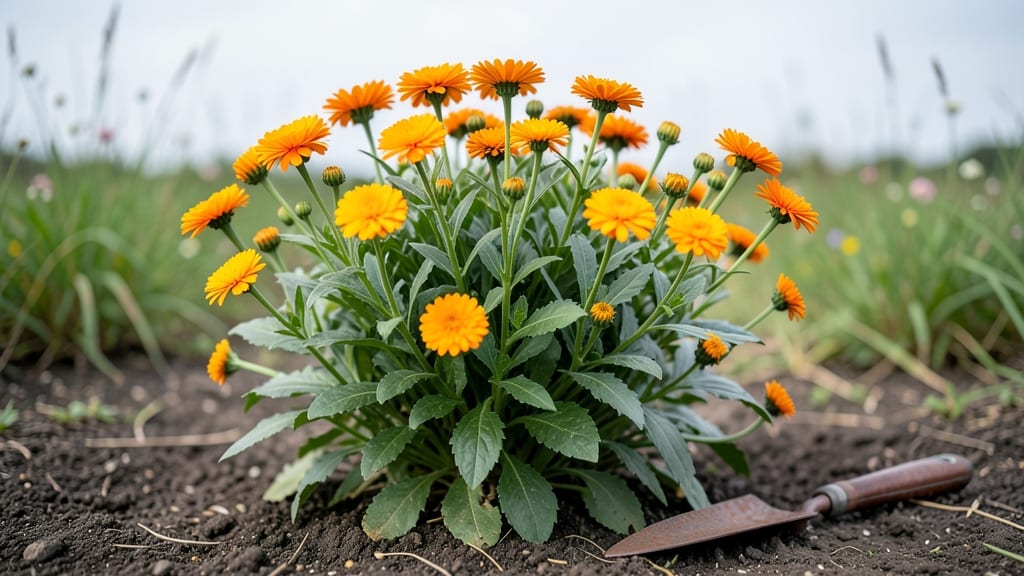
The calendula hardiness zone spans USDA zones 3 through 11—meaning you can grow it almost anywhere in the U.S. 🌱 The key is understanding how your climate treats it: an annual in cold zones, a tender perennial in mild ones.
My first year growing calendula in zone 5, I planted it as an annual and was shocked when it self-seeded the next spring.
In colder zones (3-7), treat calendula like an annual: sow seeds after your last frost date (around April-May in most regions) and enjoy blooms until the first frost. In warmer zones (8-11), it may overwinter with some protection, acting like a short-lived perennial.
The blooming period stretches from early summer to fall, with consistent color even in heat.
You'll get those bright orange-yellow flowers all season long, perfect for cutting gardens or pollinator-friendly landscapes. The plants stay compact (12-24 inches tall) and handle partial shade better than many annuals. Just keep the soil well-draining, and you'll avoid the most common issue—rot from soggy roots.
Whether you're in Minnesota or Florida, the same simple care rules apply: deadhead spent blooms to encourage more flowers, and harvest leaves for their medicinal properties. The only real difference is when you start seeds—earlier in cold zones, later in warm ones. That's it!
📚 In This Guide
- What you need
- Instructions
- Tips and common mistakes
- Wrapping up and next steps
What you need
- ● Calendula seeds: Choose heirloom or organic seeds (e.g., Calendula officinalis). Aim for 10-20 seeds per planting area.
- ● Well-draining potting mix: A blend of 50% garden soil, 30% compost, and 20% perlite or sand (1-2 cubic yards for in-ground planting or 5-10 gallons for containers).
- ○ Containers (optional for cooler zones): 6-inch pots or grow bags (2-4 per plant) for transplanting seedlings.
- ● Compost or organic fertilizer: A balanced, slow-release option (e.g., 10-10-10 NPK) or worm castings (1-2 cups per plant).
- ● Mulch: Straw or shredded leaves (2-3 inches) to retain moisture and regulate soil temperature.
- ● Hand trowel or small shovel for planting seeds.
- ● Garden gloves to protect your hands.
- ● Watering can or hose with a gentle spray nozzle (avoid overwatering!).
- ● Pruning shears for harvesting or trimming.
- ○ pH testing kit (optional) to ensure soil pH is 6.0-7.0 (calendula prefers slightly acidic to neutral soil).
- ● Sunlight: A spot with full sun (6+ hours/day) or partial shade (4-6 hours) in hotter zones (e.g., Zone 10+).
- ● Water access: Consistent moisture (but avoid soggy soil).
- ● Frost-free period (for Zones 3-5): Wait until after the last frost to plant outdoors.
How to grow calendula in USDA Zones 3-11
Calendula thrives across nearly the entire U.S.—here’s how to plant it successfully anywhere.
🌱 Step 1: Choose the Right Planting Time for Your Zone
Calendula is a cool-season annual that tolerates light frost, so timing depends on your zone. In Zones 3-5, sow seeds directly in the garden 4-6 weeks before your last frost date—typically March or early April. In Zones 6-9, you can plant in early spring or late summer for a fall bloom. For Zones 10-11, plant in late winter or early spring to avoid summer heat stress.
Watch for consistent soil temperatures above 40°F—this is your cue that seeds won’t rot in cold ground. If you’re unsure, press your finger into the soil; it should feel cool but not icy. In warmer zones, avoid planting in peak summer heat, as high temperatures slow germination.
☀️ Step 2: Select a Sunny Spot With Well-Draining Soil
Calendula needs full sun (6-8 hours daily) to produce vibrant blooms, but it tolerates partial shade in hotter zones. Choose a location where the soil drains quickly—calendula hates soggy roots. If your garden soil is heavy clay, mix in 2-3 inches of compost to improve drainage before planting.
Here’s the thing—calendula grows well in poor soil, but it rewards you with bigger, brighter flowers when given nutrients. In Zones 3-5, add a balanced fertilizer (like 10-10-10) at planting time. In Zones 6-11
Scatter seeds ¼ inch deep and 12-18 inches apart for single-stemmed plants, or 6-12 inches apart if you want bushier, multi-branched varieties. Press seeds lightly into the soil—calendula seeds need light to germinate, so don’t bury them too deeply. Water gently after planting to settle the soil without displacing seeds. Germination takes 7-14 days in ideal conditions. You’ll know it’s working when small, round seedlings with two tiny leaves (cotyledons) appear. Thin seedlings to the desired spacing once they reach 2 inches tall, snipping extras at the base with scissors to avoid disturbing roots. Water calendula 1-2 inches per week, keeping soil evenly moist but not waterlogged. In Zones 3-5, mulch with 2-3 inches of straw or shredded leaves to protect roots from freezing. In Zones 6-11, mulch helps retain moisture during dry spells. Deadhead spent blooms regularly to encourage continuous flowering—simply pinch off faded flowers with your fingers or snip with scissors. Calendula is pest-resistant, but watch for aphids in Zones 7-11Zones 3-5, overwintering calendula isn’t practical, but you can collect seeds from mature plants in fall to replant next year. Harvest blooms when fully open but before petals drop—this ensures they dry well for crafts or tea. Cut stems 3-4 inches below the flower head with clean scissors. To prolong blooming, harvest in the morning after dew has dried but before the heat of the day. In Zones 6-11, succession plant every 2-3 weeks for continuous color. In Zones 3-5, calendula self-seeds prolifically. Let some flowers go to seed in fall, then leave the dried seed heads in place over winter—they’ll resprout on their own in spring. In warmer zones, you can also grow calendula as a winter annual by planting in late fall for spring blooms.💧 Step 3: Plant Seeds at the Correct Depth and Spacing
✂️ Step 4: Maintain With Minimal Care
⏰ Step 5: Harvest and Extend the Season
Tips & tricks for growing calendula across USDA Zones
These simple strategies will help you grow vibrant calendula no matter where you live in the U.S.
Zone-Specific Soil Prep: In colder zones (3-5), work compost into your soil before planting to help retain warmth and moisture. In warmer zones (6-11), focus on improving drainage instead—calendula hates soggy roots. I've found that mixing in 2-3 inches of compost before planting makes all the difference in both hot and cold climates.
Germination Timing Secret: The 7-14 day germination window can feel like forever, but there's a trick: Keep soil consistently moist (not soggy) during this time. I use a spray bottle to mist seeds daily rather than flooding the area—this prevents seed rot while encouraging even sprouting.
Deadheading for Continuous Blooms: Regularly pinching off spent blooms encourages your calendula to produce more flowers. I make this a morning habit—just a quick pinch with my fingers removes faded flowers while they're still dry. This simple step keeps your plants flowering for weeks longer than if you left them to go to seed.
Season Extension Strategy: In Zones 3-5, let some plants go to seed in fall—they'll self-seed in spring. In Zones 6-11, succession plant every 2-3 weeks for non-stop color. I've had calendula blooming from April through October in Zone 7 using this method, and it requires almost no extra effort.
Pro Tips for Calendula Hardiness Zone
- These simple strategies will help you grow vibrant calendula no matter where you live in the U.S.
- Zone-Specific Soil Prep: In colder zones (3-5), work compost into your soil before planting to help retain warmth and moisture.
- Germination Timing Secret: The 7-14 day germination window can feel like forever, but there's a trick: Keep soil consistently moist (not soggy) during this time.
Frequently asked questions
What is the best way to grow calendula in colder climates (USDA Zones 3-5)?
In colder zones, treat calendula as an annual or start seeds indoors 6-8 weeks before the last frost. Use row covers or cold frames in early spring to extend the growing season. Choose compact varieties like Calendula officinalis for easier overwintering with mulch protection.
Can calendula survive winter in Zones 6-9 without extra protection?
In Zones 6-7, calendula may survive light frosts but benefits from a thick layer of mulch (straw or leaves) to insulate roots. In Zones 8-9, it often self-seeds annually, so deadheading spent blooms can encourage new growth. Avoid heavy pruning in late fall to preserve energy for regrowth.
Are there drought-tolerant calendula varieties for hot, dry zones (Zones 9-11)?
Yes! Dwarf varieties like 'Bonanza Orange' or 'Pacifica Series' thrive in heat and drought once established. Space plants 12-18 inches apart for better airflow and water deeply but infrequently (1-2 inches per week). Avoid overhead watering to prevent fungal issues.
Why do my calendula plants look leggy or stop flowering in Zone 8?
Leggy growth or poor flowering often signals overcrowding or insufficient sunlight. Thin plants to 12 inches apart and ensure they receive 6+ hours of sun daily. Pinch back leggy stems to encourage bushier growth. Poor soil fertility (low nitrogen) can also reduce blooms—amend with compost before planting.
Can I grow calendula in containers in Zone 4?
Choose compact varieties and use well-draining pots (10+ inches deep). Place containers in sunny spots and move them indoors or under cover when temperatures drop below 20°F. Add a slow-release fertilizer at planting time for consistent nutrition. Empty pots and sterilize soil in winter to prevent disease.
Wrapping up and next steps
Growing calendula is a rewarding experience, and with its impressive hardiness across USDA Zones 3 to 11, you’re set up for success—whether you’re a seasoned gardener or just starting out! 🌱 This cheerful, low-maintenance flower thrives in diverse climates, making it the perfect addition to your garden, kitchen, or even homemade remedies.
Now that you know how to nurture it, why not plant a few seeds or seedlings this season and enjoy the vibrant blooms (and benefits) it brings?
Next steps:
- 🌱 Pick your spot: Sunlight-loving calendula will thank you for a well-drained, sunny patch.
- 🛒 Grab seeds or starts: Local nurseries or online stores are great places to begin.
- 📅 Mark your calendar: Follow your zone’s planting timeline for year-round beauty!