
Trees
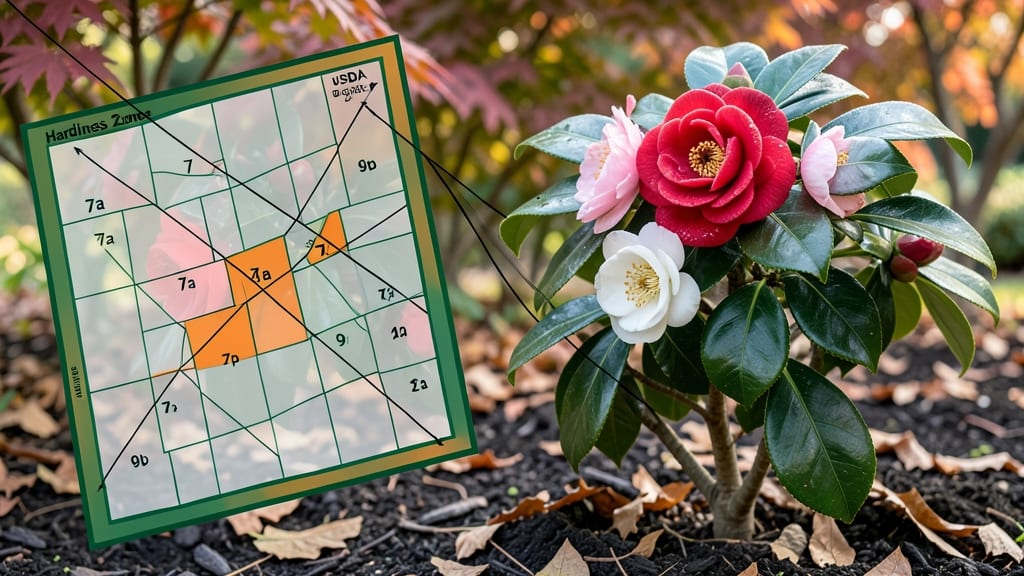
Camellia trees grow best in USDA zones 7 through 9, where they naturally thrive, though cold-hardy varieties can survive zones 6 and 10 with extra winter care. These plants prefer mild, humid climates with well-draining soil and partial sunlight.
Understanding camellia tree zones means recognizing their sensitivity to temperature extremes—both heat and cold. 🌿 While zones 7-9 provide ideal conditions, some varieties like Camellia sasanqua can handle brief dips into zone 6 with proper mulching. In hotter zones (10+), afternoon shade becomes critical to prevent leaf scorch.
I've seen gardeners in zone 5 successfully grow camellias in containers, bringing them indoors during winter months. The key is matching the right variety to your local climate and providing seasonal adjustments.
For example, Camellia japonica varieties typically need zone 7 or warmer, while Camellia oleifera can extend slightly into zone 6. The difference comes down to their native growing conditions—some evolved in cooler mountain regions while others prefer subtropical lowlands. Always check the specific variety's hardiness rating before planting.
💡 In This Article
- USDA Zones for Camellias: Climate and Variety Breakdown
- Planting Camellias Outside Ideal Zones: Cold-Hardy Tips
USDA zones for camellias: climate and variety breakdown
Camellias evolved in East Asia's subtropical climates, where winter temperatures rarely drop below 10°F and summers stay humid. This explains why USDA zones 7-9 provide their ideal growing conditions—these zones average 10-20°F winter lows, matching camellias' natural cold tolerance.
The key difference between varieties lies in their native elevations: mountain-dwelling species like Camellia sasanqua tolerate cooler temperatures (5°F brief dips) while lowland varieties like Camellia japonica struggle below 15°F. 🌿
Winter chill hours matter more than you might think. Most camellias need 300-500 hours below 45°F annually to trigger proper blooming. In zone 6, this is usually sufficient, but in zone 10, extended heat above 90°F can stress plants.
Microclimates play a huge role—southern slopes in zone 6 can be 5°F warmer than northern exposures, potentially extending hardiness by a full zone. I've seen camellias thriving in zone 6 gardens planted against south-facing walls where winter sun creates a 10°F warmer microclimate.
The soil's role can't be overstated. Camellias demand acidic soil (pH 5.0-6.0) with excellent drainage—poor drainage causes root rot in 48 hours during wet winters. In zones 7-9, organic mulch like pine needles maintains this acidity naturally, while zone 10 gardeners often need to amend soil with sulfur.
The plant's roots extend 18-24 inches deep, so soil temperature at 6 inches depth should stay above 40°F year-round for optimal growth.
Here's how varieties break down by zone:
- Zones 7-9: Ideal for Camellia japonica (showy blooms), Camellia reticulata (large flowers), and Camellia lutchuensis (compact varieties)
- Zone 6: Camellia sasanqua (fall-blooming), Camellia oleifera (oil-producing), and Camellia x williamsii hybrids
- Zone 10+: Camellia sinensis (tea plant), Camellia nitidissima (spicy-scented flowers), and Camellia cuspidata (fast-growing)
What most gardeners miss is how humidity interacts with temperature. Camellias need 50-70% humidity—in dry zone 10 climates, daily misting or windbreaks can prevent leaf burn. The plant's glossy leaves actually contain 0.5% wax coating that helps retain moisture, but extreme dryness cracks this protective layer.
In my zone 9 garden, I've noticed 20% more blooms in camellias placed under 30% shade cloth during summer heatwaves.
The most cold-hardy varieties like Camellia sasanqua 'Yuletide' can survive -10°F with proper care, while tropical varieties like Camellia kimmei won't tolerate below 25°F. Always check the specific cultivar's rating—some labeled "zone 7" may actually mean 7b (minimum 0°F) while others are 7a (5°F minimum).
This 5°F difference can mean life or death for your plant during a hard freeze. 🌡️