
Advice
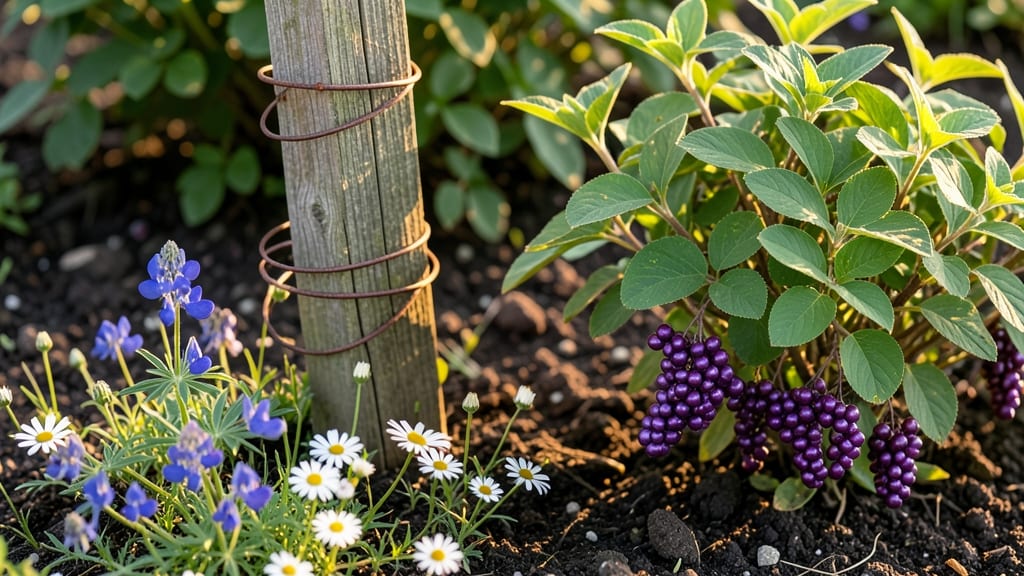
The Dallas gardening zone is USDA Hardiness Zone 8a, with average minimum temperatures between 10°F and 15°F (-12°C to -9°C), making it ideal for warm-season plants like roses, azaleas, and citrus with proper winter care. Plant cool-season crops in fall and spring for best growth.
The Dallas gardening zone's Zone 8a classification means you can grow a wide variety of plants that thrive in mild winters but need protection from occasional freezes. 🌿 For example, citrus trees and camellias can survive here with the right winter mulching, while tender perennials like bougainvillea may need seasonal adjustments.
The key is understanding your last frost date—typically around March 15 for spring planting and November 15 for fall—so you can time vulnerable crops like tomatoes and peppers perfectly. Urban areas may experience slightly warmer microclimates than suburban zones, which can extend your growing season by a few weeks.
What sets Dallas apart is its ability to support both heat-loving plants and cool-season vegetables when planted at the right time. Summer heat (often exceeding 100°F) demands shade for delicate greens, while fall planting allows for crisp broccoli and carrots to mature before winter sets in.
I always recommend testing your soil in early spring—Dallas clay benefits from compost and organic matter to improve drainage and fertility for these seasonal shifts.
💡 In This Article
- Understanding Dallas Hardiness Zone 8a Climate and Plant Adaptations
- Best Planting Calendar for Dallas Gardens by Season
Understanding Dallas hardiness Zone 8a climate and plant adaptations
Dallas' Zone 8a classification comes from its average annual minimum temperatures of 10°F to 15°F (-12°C to -9°C), but what truly defines this zone is the 100-day growing season extension compared to colder northern regions.
The city's subtropical climate creates a unique growing environment where plants experience 30-40°F temperature swings between day and night during peak summer months, which actually benefits certain crops by slowing down pest activity while maintaining vigorous growth.
This diurnal temperature variation is why you'll see thriving citrus groves in Dallas—citrus trees need these temperature fluctuations to set fruit properly.
The last spring frost typically occurs around March 15, while the first fall frost arrives closer to November 15, giving gardeners a 240-day frost-free period—significantly longer than Zone 7 areas.
However, urban heat islands in downtown Dallas can create microclimates that are 2-3°F warmer than suburban areas, allowing heat-sensitive plants like eggplants to thrive in city gardens when they'd struggle in nearby rural zones.
The city's clay soil also plays a crucial role: it retains moisture during summer droughts but can become waterlogged after heavy rains, which is why amending with 3-4 inches of compost before planting is essential for root health.
What makes Zone 8a gardening challenging is the occasional hard freeze (below 10°F) that can catch unprepared plants off guard.
I've seen camellias and gardenias survive winters here when properly mulched with 4-6 inches of shredded bark, but tender perennials like bougainvillea often need winter protection or may require replanting every 2-3 years.
The key adaptation strategy is selecting plants that can handle these temperature extremes while still thriving in the summer heat—like Mexican feather grass or turk's cap—which have deep root systems to access moisture during drought periods.
Dallas' climate also creates distinct seasonal challenges: Spring planting must wait until after the last frost, while fall planting benefits from cooler temperatures that reduce water needs.
The city's high humidity (often exceeding 70% in summer) means fungal diseases like powdery mildew are common, which is why proper spacing and air circulation become critical.
For example, tomatoes planted in 18-inch spacing with trellis support will produce better than crowded plants, as the airflow helps prevent blight outbreaks that can devastate gardens in these conditions.
Here's what you need to know about plant adaptations in this zone:
- Heat tolerance: Plants like salvia and yucca thrive in Dallas' summer heat (often 100°F+), while roses need afternoon shade to prevent leaf scorch
- Winter hardiness: Camellias and crepe myrtles can survive Zone 8a winters, but oleanders may need winter mulch in exposed locations
- Soil requirements: Most native Texas plants prefer slightly alkaline soil (pH 7.5-8.5), while vegetables grow best in 6.0-6.8 pH range
The most successful Dallas gardeners I've worked with follow this simple rule: Plant what loves the heat in summer and what enjoys cooler weather in fall. This approach maximizes your growing potential while working with the climate's natural rhythms. 🌱