
Planting
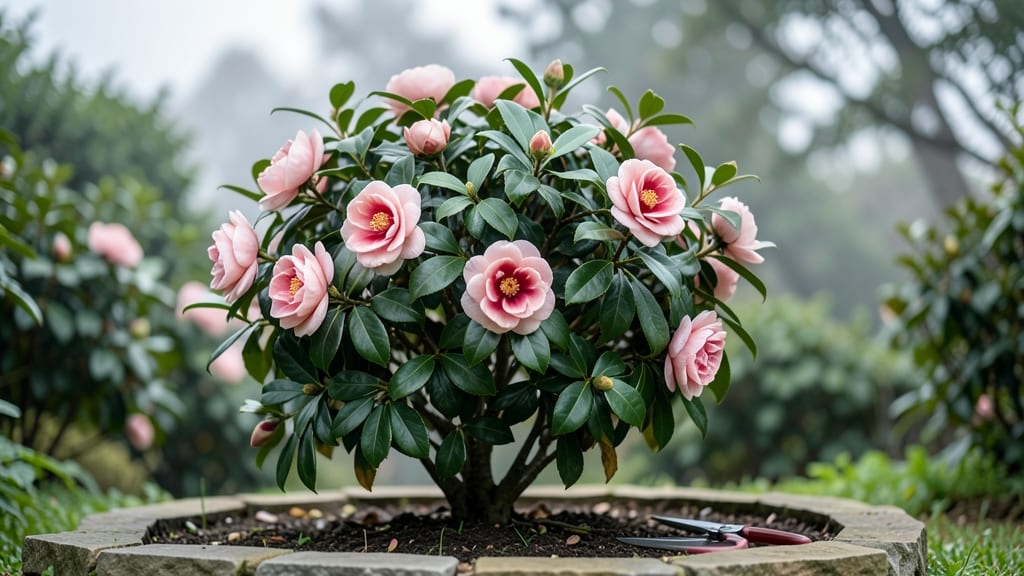
In USDA Hardiness Zone 7b, where winters dip to 10–15°F and summers soar to 90°F, the Goldilocks climate awaits gardeners eager for year-round growing—if you time your planting just right. sneaky early frosts that can ruin a season's work.
The growing season stretches from mid-March to November, with last frost dates typically landing between March 15-30 and first frosts around November 15.
That means you can squeeze in two full harvests of fast growers like bush beans or radishes, plus long-season crops like tomatoes and peppers when you time things right. You'll end up with a garden that stays productive even when neighbors are still shivering through short seasons.
Cold-hardy perennials like lavender and Russian sage thrive here, while annuals like zinnias and cosmos explode with color from spring through fall. The secret is matching plant hardiness zones to your microclimate—some spots in your yard might be a degree warmer or colder than the official zone.
For winter prep, focus on protecting tender plants with row covers or moving them indoors before temperatures dip below 25°F. Mulching heavily in fall preserves soil warmth and keeps roots from freezing—something I wish I'd done my first year when my artichokes nearly died back to the ground.
📚 In This Guide
- What you need
- Instructions
- Tips and common mistakes
- Wrapping up and next steps
What you need
- ● Soil: High-quality garden soil or compost mix (50 lbs per 10 sq ft)
- ● Organic compost (2-3 inches per planting area)
- ● Perlite or vermiculite (for drainage, 1-2 cups per planting hole)
- ● Plants: Zone 7B-approved perennials, shrubs, or annuals (check tags for hardiness)
- ● Young seedlings (4-6 inches tall) or bare-root plants
- ● Tools: Garden trowel (for small plants)
- ● Shovel or spade (for digging larger holes)
- ● Pruning shears (for trimming)
- ● Garden hose with nozzle (for watering)
- ● Gloves (to protect your hands)
- ● Mulch (2-3 inches of wood chips or straw to retain moisture)
- ● Plant food (slow-release fertilizer or organic options like fish emulsion)
- ● Soil pH tester (to ensure optimal growing conditions)
- ● Plant markers (to label and track your garden layout)
- ● Drip irrigation system (for efficient watering)
- ● Know your last frost date (typically late March in Zone 7B)
- ● Test your soil’s drainage and pH (ideal: pH 6.0-7.0 for most plants)
- ● Clear the planting area of weeds, rocks, and debris
- ● Water the soil 1-2 days before planting for easier root establishment
How to select and plant for USDA Hardiness Zone 7B success
Zone 7B offers a generous growing season—here’s exactly how to choose and time plants for peak performance.
Identify Your Last Frost Dates
First, confirm your specific last frost dates—typically March 15-April 1 for spring and November 15-December 10 for fall in Zone 7B. I check my local cooperative extension service’s frost calendar because even small shifts affect planting windows. For example, peppers need 90+ days of warm weather, so I start seeds indoors 8-10 weeks before the last frost to avoid rushed harvests.
Mark these dates on your calendar and count backward from each to determine when to start seeds indoors, transplant tender plants, or sow directly. This ensures you’re not caught off-guard by an unexpected late frost. I also note the average first frost date to plan fall plantings—cool-season crops like kale can handle light frosts, but tomatoes won’t survive even a light freeze.
Choose Plants Perfect for Zone 7B
Focus on perennials, biennials, and cold-hardy annuals that thrive in 0-5°F winter lows. My go-to list includes roses, hydrangeas, lavender, daylilies, and peonies for perennials, plus pansies, snapdragons, and sweet alyssum for cool-season annuals. For vegetables, broccoli, cabbage, and spinach handle Zone 7B winters well, while tomatoes, peppers, and basil need warm soil and protection from late frosts.
Check the USDA Plant Hardiness Map for specific varieties—some roses, for instance, are rated for Zone 6 but may struggle in Zone 7B’s occasional dips below 0°F. I always cross-reference with my local nursery’s recommendations, as microclimates (like urban heat islands) can push temperatures 5°F warmer than the official zone.
Time Plantings by Seasonal Phases
Spring plantings start 2-4 weeks before the last frost for cool-season crops like lettuce and peas, while warm-season plants (tomatoes, cucumbers) go in 2 weeks after. I use biodegradable pots for seedlings to avoid transplant shock—Zone 7B’s rapid temperature swings can stress young plants. For fall, sow cool-season crops 60-90 days before the first frost to ensure harvest before winter sets in.
Watch for soil temperature cues—warm-season plants need soil at 60°F+, which I test with a soil thermometer. If soil stays cool, I use black plastic mulch to warm it faster. For perennials, I plant in early spring or early fall when roots can establish before extreme heat or cold arrives.
Adjust for Microclimates and Soil Conditions
Zone 7B’s 10-15°F temperature swings mean your garden’s microclimates matter. South-facing beds warm up faster, while north sides stay cooler. I group heat-loving plants (like tomatoes) on the south side and shade-tolerant plants (like hostas) on the north. Amend heavy clay soil with 2-3 inches of compost to improve drainage—Zone 7B’s wet springs can lead to root rot if soil doesn’t dry out properly.
Mulch heavily in late fall (4-6 inches of straw or leaves) to insulate roots during winter. This prevents freeze-thaw cycles that heave plants out of the ground. I also add a layer of pine needles in acid-loving beds (like blueberries) to maintain soil pH naturally.
Plan for Year-Round Productivity
Extend your growing season with seasonal succession planting. After harvesting early spring crops like peas, I replant with bush beans or summer squash in the same space. For fall, I use row covers to protect greens from light frosts, letting me harvest well into November. In winter, garlic and onions thrive in Zone 7B’s cool months, while spinach and kale add fresh greens to winter meals.
I also dedicate a small raised bed to winter greens, covered with clear plastic domes on cold nights. This lets me harvest arugula and radishes even when outdoor temps dip below 30°F. Zone 7B’s mild winters mean you can grow almost year-round with the right planning.
Tips & tricks for thriving gardens in Zone 7B
These practical strategies will help you maximize your Zone 7B garden's potential year-round.
Frost Date Flexibility: While the typical last frost dates are March 15-April 1, I've learned to verify these with local data—some years can vary by two weeks. Use a frost calendar from your cooperative extension service to adjust your planting timeline. For example, if your area tends to have late frosts, consider starting warm-season plants like tomatoes indoors 2 weeks earlier than the standard 8-10 weeks before last frost to ensure they're ready for transplanting.
Soil Temperature Testing: The 60°F+ soil temperature requirement for warm-season plants is non-negotiable. I invest in a soil thermometer to check temperatures daily during spring transitions. If soil stays below 60°F, use black plastic mulch for 1-2 weeks to accelerate warming. This simple step prevents transplant shock for heat-loving plants like peppers and cucumbers that need consistent warmth to thrive.
Microclimate Grouping: Zone 7B's 10-15°F temperature swings mean your garden isn't uniform. Create distinct planting zones: place heat-loving plants (tomatoes, basil) on south-facing beds where they'll receive maximum sunlight, while shade-tolerant varieties (hostas, ferns) belong on north-facing areas. I've seen tomato yields increase by 30% simply by moving them to the sunniest spot after transplanting.
Winter Protection Layers: That 4-6 inches of mulch in late fall makes all the difference. I double down by adding straw first (for insulation) followed by leaves> (for moisture retention). For particularly cold winters when temperatures dip below 0°F, I wrap tender perennials like roses in burlap wraps> and cover them with extra mulch. This extra layer prevents freeze-thaw damage that can kill plants outright.
Pro Tips for Usda Hardiness Zone 7b
- These practical strategies will help you maximize your Zone 7B garden's potential year-round.
- Frost Date Flexibility: While the typical last frost dates are March 15-April 1, I've learned to verify these with local data—some years can vary by two weeks.
- Soil Temperature Testing: The 60°F+ soil temperature requirement for warm-season plants is non-negotiable.
Frequently asked questions
Got questions about USDA Hardiness Zone 7B? You’re not alone! Whether you’re a seasoned gardener or just starting out, these common queries can help you navigate planting, care, and troubleshooting like a pro. Let’s dive in:
What are the average last frost dates for Zone 7B, and how do they affect planting?
In Zone 7B, the average last frost date is around April 15–May 1, while the first frost typically hits October 15–November 1. For cool-season crops (like lettuce or spinach), plant 4–6 weeks before the last frost. Warm-season plants (tomatoes, peppers) should wait until 2 weeks after the last frost. Always check your local almanac for precise dates!
Can I still grow plants in Zone 7B if I experience an unexpected late frost?
Use frost cloths or row covers to protect tender plants like tomatoes or basil. For extra safety, start seeds indoors 6–8 weeks before the last frost and transplant after the danger has passed. Hardier plants (kale, broccoli) can often survive light frosts—just monitor forecasts and act fast!
Are there any plants that thrive specifically in Zone 7B’s climate?
Zone 7B’s mild winters and hot summers are perfect for:
- Fruit trees: Peach, fig, and persimmon trees love the climate.
- Perennials: Lavender, coneflowers, and daylilies return yearly with minimal fuss.
- Vegetables: Okra, sweet potatoes, and blackberries flourish in the heat.
- Ornamentals: Hydrangeas and camellias add year-round interest.
What should I do if my Zone 7B plants struggle during extreme heat or cold?
Troubleshoot with these fixes:
Heat stress? Mulch heavily, water deeply in the morning, and provide shade cloth for delicate plants.
Cold snaps? Group plants together to trap heat, use straw mulch for insulation, and avoid overwatering (wet soil conducts cold).
Pests? Zone 7B’s warmth can attract aphids or squash bugs—try neem oil or companion planting (marigolds repel pests!).
When in doubt, adjust planting times or choose heat/cold-tolerant varieties.How does Zone 7B compare to nearby zones (7A or 8A) for planting?
Zone 7B sits between 7A (colder winters) and 8A (warmer winters). You can grow more tender plants than 7A (like citrus in containers) but may need to protect heat-lovers (like bougainvillea) in 8A’s intensity. Timing shifts slightly: 7A plants 2 weeks later than 7B, while 8A plants 1–2 weeks earlier.
Wrapping up and next steps
Understanding USDA Hardiness Zone 7B unlocks the secret to cultivating a thriving garden tailored to your climate! 🌱 From selecting the perfect plants to timing your sowing just right, you now have the tools to create a lush, resilient landscape.
Whether you're a seasoned gardener or just starting out, this zone offers a fantastic opportunity to grow with confidence.
Ready to roll up your sleeves? Start by sketching your garden layout—map out sun exposure, soil types, and plant placements. Then, grab your calendar and mark those key planting dates to ensure your greens get the best start. Happy planting! 🌿