
Trees
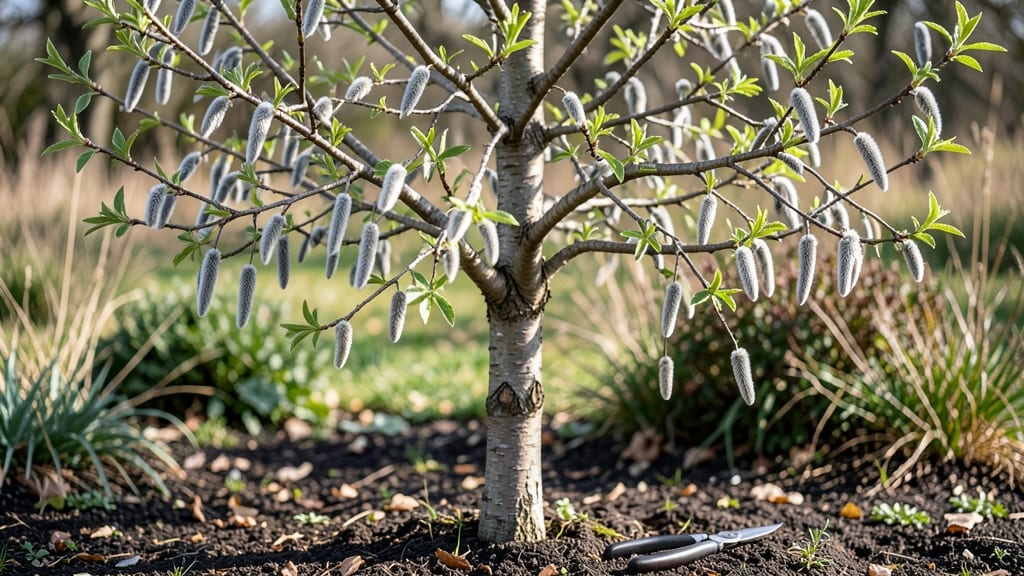
Determining the dappled willow zone for planting means focusing on USDA hardiness zones 4 through 9, where it thrives with moist, well-drained soil and partial sunlight. This hardy tree adapts well to regions with mild winters or cool summers, though it can handle light frost once established. Always verify your local zone before planting for the best results.
The dappled willow's wide zone range (4-9) makes it one of the most adaptable willow varieties. 🌳 Unlike some trees that struggle with temperature swings, this species handles everything from the cold winters of Minnesota to the humid summers of Georgia.
The key is finding areas with consistent moisture—whether from rainfall, irrigation, or nearby water sources—and avoiding heavy clay soils that can suffocate roots. I've seen them flourish in urban parks with partial shade as well as rural wetlands, proving their versatility.
What sets this willow apart is its ability to tolerate brief frost periods after establishment, unlike more delicate varieties. This resilience means gardeners in transitional zones (like zone 8b) can often push the limits slightly by providing winter protection during the first few years.
For best results, pair it with native ground covers that retain moisture, like creeping phlox or ferns, to create an ideal microclimate.
💡 In This Article
- Understanding Dappled Willow Hardiness Zones 4-9
- Best Regions and Soil Conditions for Planting Dappled Willow
Understanding dappled willow hardiness zones 4-9
The dappled willow's remarkable hardiness stems from its evolutionary adaptations to fluctuating climates. In zones 4-9, it endures winter lows down to -30°F while thriving in summer highs up to 90°F. This range allows it to grow from Maine's cold winters to California's Mediterranean climate.
The key mechanism is its ability to enter dormancy quickly when temperatures drop below 40°F, protecting its delicate leaves while maintaining root activity through mild winters.
What makes this willow unique is its frost tolerance after establishment. Unlike young trees that need winter protection, mature dappled willows can handle 10-14 days of light frost (below 32°F) without damage. This compares favorably to weeping willows, which often suffer dieback in zone 5 winters.
The secret lies in its deep root system that stores carbohydrates, providing energy for recovery. In zone 9, where summers can be intense, it benefits from afternoon shade to prevent leaf scorch.
Moisture requirements vary by season - the tree needs 1-1.5 inches of water weekly during growing season but becomes drought-tolerant in winter. This adaptability explains why it thrives in both the Pacific Northwest's rainy climate and the Southeast's humid summers.
The bark's silvery dappling actually helps reflect excess sunlight in hot zones, preventing heat stress that affects many other willow varieties.
Temperature extremes create interesting regional variations. In zone 4, plantings near large bodies of water create microclimates that extend the growing season by 2-3 weeks compared to inland sites. Meanwhile, zone 9 plantings benefit from morning sun and afternoon shade to maintain optimal leaf temperatures.
The tree's ability to adjust its growth rate based on temperature fluctuations is what makes it such a reliable landscape choice across this wide range.
Comparing to other willows reveals its superior adaptability. While weeping willows struggle in zone 5's harsh winters, dappled willows maintain their elegant form. The key difference lies in the dappled willow's thicker bark and denser foliage structure, which provides better insulation against temperature swings.
This structural advantage allows it to maintain its distinctive weeping habit even in challenging climates.
For gardeners pushing zone boundaries, consider these practical tips: In zone 4, plant near south-facing walls that absorb and radiate heat. In zone 9, use mulch to retain moisture during dry spells.
The tree's ability to adjust its growth patterns based on seasonal cues means it will naturally slow down in extreme heat or cold, preventing stress that could affect less adaptable varieties.