
Planting
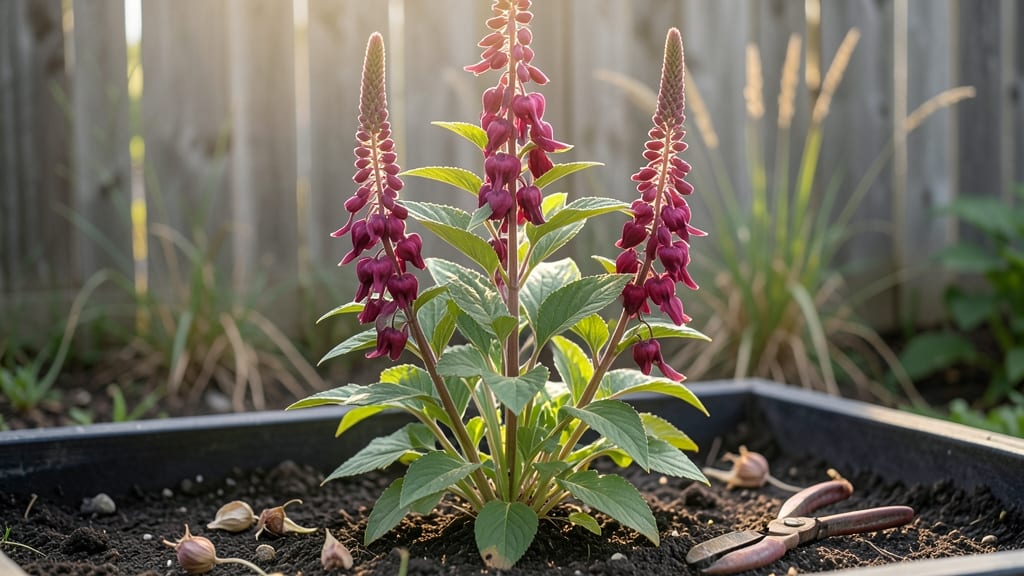
Elephant Head amaranth grows successfully in USDA Hardiness Zones 2 through 11, earning its reputation as one of the hardiest edible greens for gardeners nationwide. For best results, start seeds in spring after the last frost or late summer for fall harvests, while providing full sunlight and well-draining soil to encourage vigorous leaf production.
This incredible adaptability means Elephant Head amaranth can thrive from Alaska's frigid winters to Florida's humid summers, making it a favorite for both novice and experienced gardeners. 🌱 The key to its success lies in its ability to tolerate both heat and cold, though it prefers consistent warmth during its growing season.
In colder zones, planting after the last frost ensures seedlings aren't damaged by unexpected chills, while late-summer sowing in warmer climates prevents bolting before harvest time. The plant's deep root system also helps it withstand drought conditions once established, though regular watering during establishment promotes faster growth.
What sets Elephant Head apart is its ability to produce edible leaves and tender stems across such a broad range of conditions. Whether you're in the Rocky Mountains or the Deep South, this versatile green delivers consistent harvests when given proper sunlight and well-draining soil.
The plant's natural resilience makes it an excellent choice for organic gardens and sustainable food production systems.
💡 In This Article
- Understanding Elephant Head Amaranth’s Climate Adaptability
- Zone-Specific Planting and Care Calendar for Amaranth
Understanding Elephant Head amaranth’s climate adaptability
Elephant Head amaranth's remarkable hardiness stems from its native origins in tropical and subtropical regions, combined with genetic adaptations that allow it to handle both extreme cold and heat.
This plant's cellular structure contains high levels of antioxidants and natural antifreeze proteins that protect its tissues during freezing temperatures, similar to how some winter wheat varieties survive harsh climates.
In warmer zones, its waxy leaf coating reduces water loss through transpiration, enabling it to thrive in 90-100°F temperatures where many greens would bolt or wilt.
The plant's growth patterns shift dramatically with temperature changes. In cooler zones (2-5), Elephant Head amaranth grows most vigorously between 60-75°F during the day, while in southern climates (8-11), it continues producing new leaves even when night temperatures dip to 55°F.
What's fascinating is how its leaf production accelerates during warm spells - in 80°F conditions, you can expect 1-2 inches of new growth per week, compared to just ½ inch in cooler 65°F temperatures.
This temperature sensitivity explains why gardeners in northern states often get their best harvests during summer months.
Seasonal variations also influence the plant's nutritional profile. Studies show that leaves grown in cooler temperatures contain higher levels of vitamin C and calcium, while those from warm climates develop more robust protein content.
The plant's ability to photosynthesize efficiently across this wide temperature range means it maintains its vibrant green color even under stress conditions, unlike many other leafy greens that turn yellow or purple when pushed to their limits.
Drought resistance is another key adaptation. Elephant Head amaranth's deep taproot system can reach 3-4 feet underground, accessing moisture that shallow-rooted plants can't tap into.
Once established, it can survive with as little as 1 inch of water per week in zones 6-11, though regular watering during its first 4-6 weeks ensures strong root development. In contrast, many commercial lettuces require 1.5-2 inches of water weekly to prevent bolting.
The plant's cold hardiness becomes particularly evident in northern climates. While it won't survive prolonged 0°F temperatures, young seedlings can tolerate brief dips to -5°F if protected by mulch.
This resilience allows gardeners in zones 2-4 to extend their growing season by planting in early spring or late summer, harvesting before the first hard frost. The plant's ability to regrow from the base after light freezes makes it particularly valuable for cold-climate gardens.
What most gardeners don't realize is how Elephant Head amaranth's growth habit changes with daylight length. In northern latitudes, the plant focuses energy on leaf production during shorter summer days, while in southern climates, it may produce flowers more quickly if day lengths exceed 14 hours.
This photoperiod sensitivity explains why some gardeners in zone 10 report bolting earlier than those in zone 7 - the longer daylight hours trigger flowering hormones more quickly.
For maximum adaptability, maintain soil temperatures between 70-80°F during germination, which typically takes 7-14 days depending on zone.
The plant's ability to adjust its metabolic rate based on temperature makes it an excellent choice for container gardening in urban environments where microclimates can vary dramatically between buildings and open spaces. 🌟