
Pruning
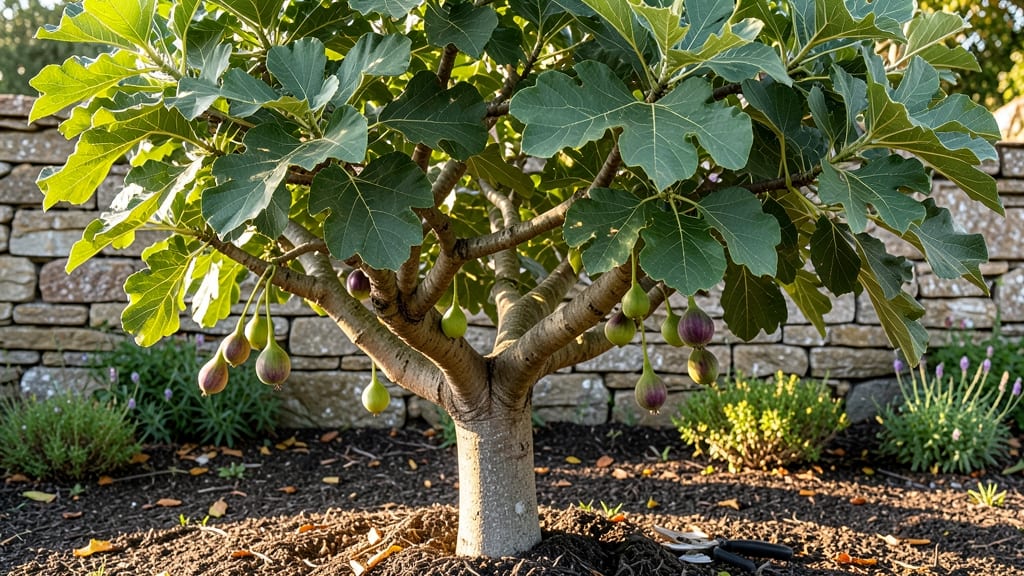
Growing fig trees in Zone 5 means choosing frost-resistant varieties like 'Chicago Hardy' or 'Celeste,' planting in well-draining soil with thick winter mulch, and shielding roots from sub-zero temperatures. Many figs thrive with these adjustments to endure Zone 5's harsh winters.
Zone 5's freezing winters make traditional fig varieties a risky bet, but the right selection and preparation can transform your garden into a productive fig haven. 🌱 The key is selecting cultivars bred for cold tolerance—like 'Chicago Hardy,' which survives down to -20°F—while also creating microclimates near south-facing walls or using thick mulch layers to insulate roots.
I've found that even hardy varieties benefit from winter wraps or low tunnels during the coldest months, giving them that extra protection they need to rebound in spring.
What sets these cold-hardy figs apart is their ability to push out new growth even after frost damage. For example, 'Celeste' produces sweet, purple-skinned fruit while enduring -15°F temperatures, making it a top performer in my own Zone 5 garden.
The secret lies in their genetic resilience combined with proper site selection—figs planted against brick walls or in containers can often survive even colder spells than their USDA ratings suggest.
💡 In This Article
- Cold-Hardy Fig Tree Varieties for Zone 5 Gardens
- Zone 5 Fig Tree Planting and Winter Protection Guide
Cold-hardy fig tree varieties for Zone 5 gardens
Zone 5 gardeners face a unique challenge: traditional Mediterranean fig varieties simply can't survive prolonged sub-zero temperatures. That's why selecting cultivars specifically bred for cold tolerance is your first line of defense.
The 'Chicago Hardy' stands out as the gold standard, capable of enduring temperatures as low as -20°F when properly protected.
Its secret lies in its genetic adaptation to northern climates, developed through decades of selective breeding at the University of Illinois. 🌟 What makes it special is how it produces fruit even after winter dieback—new shoots emerge from the root crown in spring, giving you a second chance at harvest.
For those who prefer sweeter flavors, 'Celeste' offers a delicious compromise with its purple-skinned fruit that matures to a rich, honey-like sweetness. This variety handles -15°F temperatures well, making it ideal for gardeners in the upper reaches of Zone 5.
The key difference between these varieties is their growth habit: 'Chicago Hardy' develops multiple trunks while 'Celeste' grows as a single-stemmed tree, affecting how you'll need to prune them in late winter.
Both varieties share another advantage—their thick, leathery leaves that help insulate the tree during cold snaps, reducing frost damage compared to more delicate varieties.
The 'Brown Turkey' is another excellent option, though it requires slightly more winter protection (-10°F tolerance). What sets it apart is its prolific fruit production—each tree can yield up to 100 pounds of figs annually when grown in optimal conditions.
The trade-off is its slightly larger size (12-15 feet tall), which means you'll need more space in your garden layout.
I've found that planting this variety against a south-facing wall creates a natural microclimate that can push its cold tolerance by 5-10°F, making it surprisingly hardy in Zone 5's most challenging winters.
When evaluating varieties, consider your specific microclimate. Trees planted in containers can often survive 5-10°F colder than their rated tolerance when moved to protected locations during winter. The container's mobility lets you relocate the tree to a garage or insulated shed when temperatures drop below 20°F.
This container-growing technique has become my go-to method for urban gardeners with limited space, as it combines portability with the ability to control soil temperature more precisely than in-ground plantings.
Another critical factor is fruit quality versus cold tolerance.
While 'Celeste' offers superior sweetness, its fruit may be slightly smaller than 'Chicago Hardy''s. The trade-off becomes clear when you consider that 90% of a fig's sugar content develops during the final stages of ripening—meaning colder climates can actually concentrate the flavor in hardier varieties.
This is why many Zone 5 growers report that their hardy figs develop an almost caramel-like intensity that store-bought figs simply can't match.
For maximum success, pair your variety selection with proper planting techniques. The root system of cold-hardy figs needs to establish 12-18 inches deep before winter sets in, which is why spring planting (rather than fall) often yields better survival rates.
This deeper root development creates a larger reservoir of stored energy that helps the tree recover from winter damage more quickly in spring. 🌱