
Planting
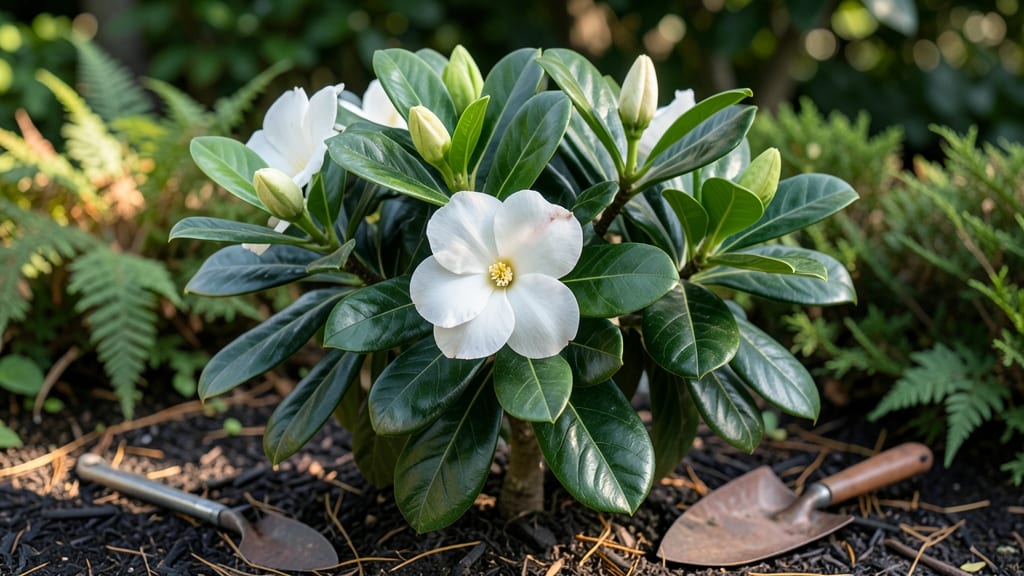
Gardenia can survive as a perennial in Zone 7 with proper winter care, as its cold hardiness maxes out around 15°F (-9°C). Use mulch, frost blankets, and container relocation to protect roots and foliage during freezes, then prune back after dormancy for spring regrowth.
Gardenias thrive in warmer climates, but their tropical roots make Zone 7 winters challenging.
The key is protecting both roots and foliage—mulching with 4-6 inches of straw or leaves insulates soil, while frost blankets shield leaves from sudden freezes below 20°F (-6°C). 🌿 For container gardenias, moving them to a sheltered garage or basement during frost alerts prevents root damage.
After dormancy, prune back dead stems to encourage fresh growth, but never cut into old wood, as gardenias bloom on new wood only.
What many gardeners don't realize is that gardenias enter a semi-dormant state in winter, making them more resilient than their delicate appearance suggests. The real battle is preventing root heave—when frozen soil expands and lifts roots—by adding extra mulch before the ground freezes.
With these steps, your gardenia can bounce back stronger each spring, even in Zone 7's cooler winters.
💡 In This Article
- Gardenia’s Cold Tolerance Limits in Zone 7
- Step-by-Step Winter Survival Guide for Zone 7 Gardenias
Gardenia’s cold tolerance limits in Zone 7
Gardenias originate from tropical regions where temperatures rarely drop below 50°F (10°C), making their natural cold tolerance extremely limited. The plant’s roots, in particular, are highly sensitive to freezing—exposure to temperatures below 15°F (-9°C) triggers cellular damage, disrupting nutrient transport and causing irreversible harm.
Even brief dips into the 20s°F (-6°C to -1°C) range can lead to foliage blackening and dieback, as the waxy leaves lack the protective adaptations of cold-hardy shrubs.
The real danger in Zone 7 isn’t just the low temperatures but the temperature fluctuations that occur during winter. Rapid swings between freezing nights and thawing days cause repeated freeze-thaw cycles, which stress the plant’s vascular system.
This is why gardenias often show signs of decline even when winter lows stay above their absolute cold threshold—consistent cold protection is essential. 🌟 The root zone, which stays warmer than the air, benefits most from insulation, while the foliage needs protection from radiant heat loss during still nights.
Mulching works by creating an insulating layer that moderates soil temperature. A 4-6 inch (10-15 cm) layer of straw, pine needles, or shredded leaves can raise soil temperatures by 5-10°F (3-6°C) during cold snaps, preventing root freeze damage.
The science behind this is simple: organic mulch traps heat radiating from the earth while also absorbing daytime warmth.
For container gardenias, the risk is even higher because potted soil freezes faster than in-ground soil—adding a 2-inch (5 cm) layer of mulch on top of the soil and wrapping the pot in bubble wrap further reduces heat loss.
Another critical factor is the plant’s dormancy cycle. Gardenias enter a semi-dormant state in late fall, slowing metabolic processes to conserve energy. However, this dormancy isn’t true hibernation—unlike deciduous plants, gardenias retain their leaves, which continue to transpire (lose water) even in cold weather.
This makes them vulnerable to desiccation during winter, especially if winds dry out the foliage. Using frost blankets or burlap wraps during 20-30°F (-6°C to -1°C) nights creates a microclimate that reduces moisture loss while still allowing light penetration.
What most gardeners overlook is the importance of soil moisture during winter. While you shouldn’t water gardenias when the ground is frozen, maintaining slightly moist soil before the first freeze helps the plant enter winter with adequate reserves.
Dry soil conducts heat away from roots more efficiently, accelerating freeze damage. A well-drained but consistently moist root zone provides the best insulation against temperature extremes. 🌱
For gardeners in Zone 7, the goal isn’t just survival but recovery. Even with perfect winter care, some leaf damage is inevitable. The key is protecting the root system and crown, as these are the plant’s lifelines for spring regrowth.
Pruning back damaged foliage in early spring (after the last frost) removes dead tissue while allowing new shoots to emerge from the protected base.