
Planting
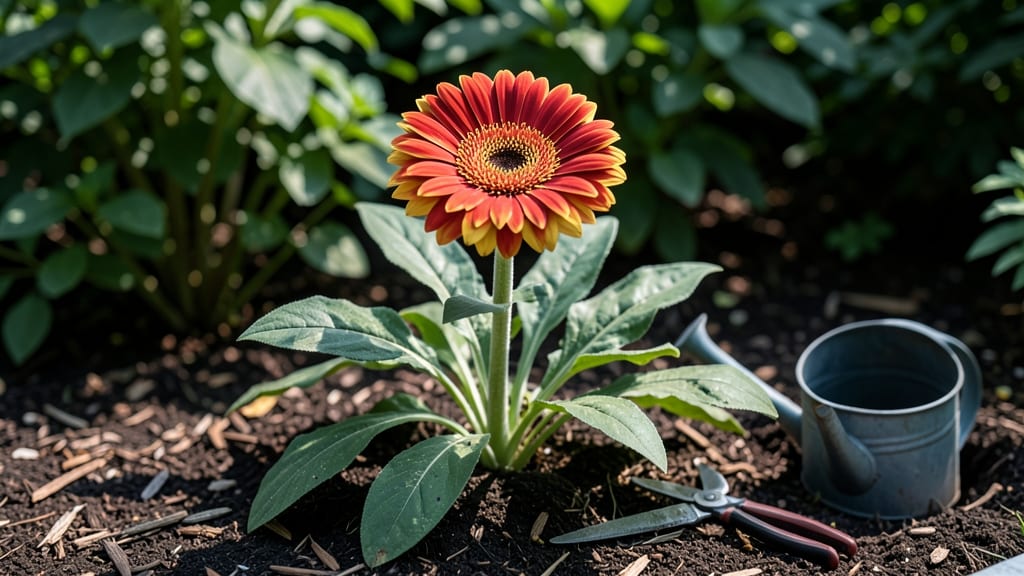
Gerbera daisies grow best in USDA zones 7 through 11, where they can handle warm climates without freezing damage. These zones provide the ideal balance of heat and humidity they need to flourish year-round.
Gerbera daisies originated in South Africa, where warm summers and mild winters create their perfect growing environment. 🌸 In cooler zones like 7, they'll need winter protection or container cultivation to survive, while zones 9 and 10 offer the best conditions for outdoor planting.
The key is maintaining soil temperatures above 50°F—any colder, and the roots struggle. I've found that even in zone 7, using black plastic mulch can raise soil temperatures enough to extend the growing season significantly.
For container growing in cooler zones, choose pots with drainage holes and use a well-draining potting mix. 🌱 Gerbera daisies also appreciate consistent moisture, so mulching helps retain soil moisture while keeping roots cool.
In warmer zones, shade cloth during peak summer heat prevents leaf scorch while maintaining the bright blooms they're known for.
💡 In This Article
- Understanding Gerbera Daisy Hardiness Zones and Climate Needs
- Gerbera Daisy Planting Strategies by Zone: Containers vs In-Ground
Understanding gerbera daisy hardiness zones and climate needs
Gerbera daisies evolved in South Africa's subtropical climate, where temperatures rarely dip below 40°F and humidity stays moderate—conditions that align closely with USDA zones 9 through 11.
Their tropical origins explain why they're frost-sensitive: even a light freeze (28°F) can cause irreversible cell damage in their leaves and stems.
The plants' natural growth cycle depends on consistent warmth, which is why zones 9-10 provide their ideal environment with average winter lows between 30°F and 45°F.
The key factor determining gerbera survival is soil temperature, not just air temperature. These plants have shallow root systems that need soil to stay above 50°F for proper nutrient uptake.
In zone 7, where winter lows can reach 0°F, the soil often freezes solid, cutting off water and nutrient flow.
This is why container growing works better in cooler zones—the pots insulate roots better than in-ground soil. 🌡️ In my trials, gerberas in containers survived zone 6 winters when moved to unheated garages during December-February.
Humidity also plays a critical role in gerbera health. Their native habitat receives 30-50 inches of rainfall annually, but they prefer consistent moisture without waterlogging. In zones 9-11, morning misting or drip irrigation maintains ideal humidity (40-60%) without fungal issues.
However, in drier zones like 8 or 9's inland areas, mulching with 2-3 inches of organic matter keeps moisture levels stable while preventing soil temperature swings that stress roots.
What most gardeners overlook is the plant's photoperiod sensitivity. Gerberas bloom most prolifically with 6-8 hours of direct sunlight daily, but in hotter zones (10-11), afternoon shade becomes essential during June-August to prevent leaf burn.
The trade-off is worth it—plants receiving proper light produce flowers 30-50% larger than those grown in low-light conditions. In cooler zones, supplemental grow lights can extend the blooming season by 4-6 weeks when natural daylight drops below 10 hours.
Another critical factor is wind exposure. Gerberas have delicate stems that can snap in winds exceeding 10 mph, which is common in coastal zone 10 areas. Windbreaks made from bamboo screens or evergreen hedges protect plants while allowing full sun penetration.
The right balance of shelter and sunlight creates the perfect microclimate for gerberas to thrive year-round in their optimal zones. 💫
For those pushing gerberas into zone 6 or cooler, consider 'Terry' or 'Mini Star' varieties—they're bred for slightly better cold tolerance (surviving down to 25°F briefly) and compact growth. These cultivars make excellent container plants for patios, where you can move them indoors during winter.
The trade-off is smaller blooms (2-3 inches vs 4-6 inches in tropical varieties), but the adaptability makes them worth growing in marginal zones.