
Planting
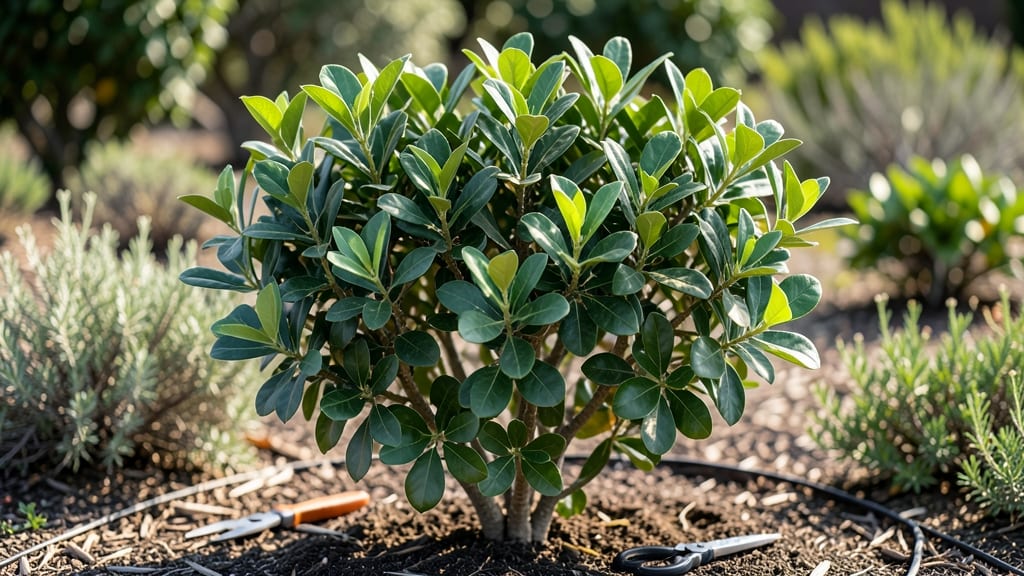
Understanding the Zone 9 last frost date helps you time your planting perfectly, as it typically ranges from January 31 to March 15 depending on your exact location—earlier in desert areas like Palm Springs (Jan 31) and later in coastal cities like Los Angeles (Feb 15–March 1). These dates mark when nighttime temperatures reliably stay above freezing, allowing you to safely plant frost-sensitive crops like tomatoes and peppers once soil warms to at least 60°F.
These frost dates aren't just calendar numbers—they reflect real climate patterns where colder air pools in valleys or gets trapped near coastlines.
For example, inland areas like Riverside often see frost two weeks earlier than San Diego due to ocean breezes moderating temperatures. 🌡️ I always check my local weather station's 10-year averages to fine-tune my schedule, since microclimates can shift planting windows by 7-14 days.
The key is watching for consistent warmth, not just the calendar date.
For practical application, I recommend planting warm-season crops like basil and okra 2-3 weeks after your area's last frost date, once soil reaches 65°F. Cold-hardy greens can actually go in 4-6 weeks before the first frost—typically late August to early September in Zone 9.
Pro tip: Use row covers for early plantings if nighttime temps dip below 35°F.
💡 In This Article
- How Climate and Microclimates Affect Zone 9 Frost Timelines
- Best Planting Calendar for Zone 9 Gardens by Frost-Sensitive Crops
How climate and microclimates affect Zone 9 frost timelines
Frost formation in Zone 9 follows precise atmospheric patterns where cold air behaves differently based on geography. Coastal areas like San Diego experience milder winters because ocean breezes moderate temperatures, creating a 3-5°F warmer microclimate compared to inland valleys.
This coastal buffer often delays frost until March 1-15, while inland desert regions like Palm Springs see frost as early as January 31 due to rapid nighttime cooling in arid conditions.
The urban heat island effect also shifts frost dates. Cities like Los Angeles can experience frost 7-10 days later than surrounding rural areas because concrete and asphalt absorb and radiate heat.
At night, this trapped warmth creates pockets where frost never forms, while nearby agricultural zones may still see light freezes. Elevation plays a role too—mountainous areas like the Santa Monica Mountains can have frost 2-3 weeks earlier than coastal plains at the same latitude.
Historical weather data reveals these patterns clearly. For example, Palm Springs' last frost average shifted 5 days earlier over the past 30 years due to climate change, while San Diego's dates remain stable thanks to ocean influence.
The National Weather Service tracks these shifts annually, showing how microclimates can create 100-mile variations in frost timing within the same zone.
Understanding these factors helps gardeners adjust planting schedules. A coastal gardener might safely plant tomatoes by March 10, while an inland grower should wait until March 25 to avoid frost damage.
Soil temperature probes (reading 60°F+) become your best tool—cold air can linger while soil warms faster in sunny microclimates.
Wind patterns also matter. Coastal areas experience katabatic winds that push cold air inland, creating frost pockets in unexpected locations. I've seen frost form in Riverside orchards while nearby urban neighborhoods stayed frost-free—this is why local weather stations (not just zone averages) are essential for precise planning.
For practical application, I recommend checking your specific USDA sub-zone (9a vs 9b) and adjusting by ±7 days based on these microclimate factors. A simple experiment: Place a thermometer in your garden nightly—when temps stay above 35°F for 5 consecutive nights, your frost risk drops dramatically.