
Planting
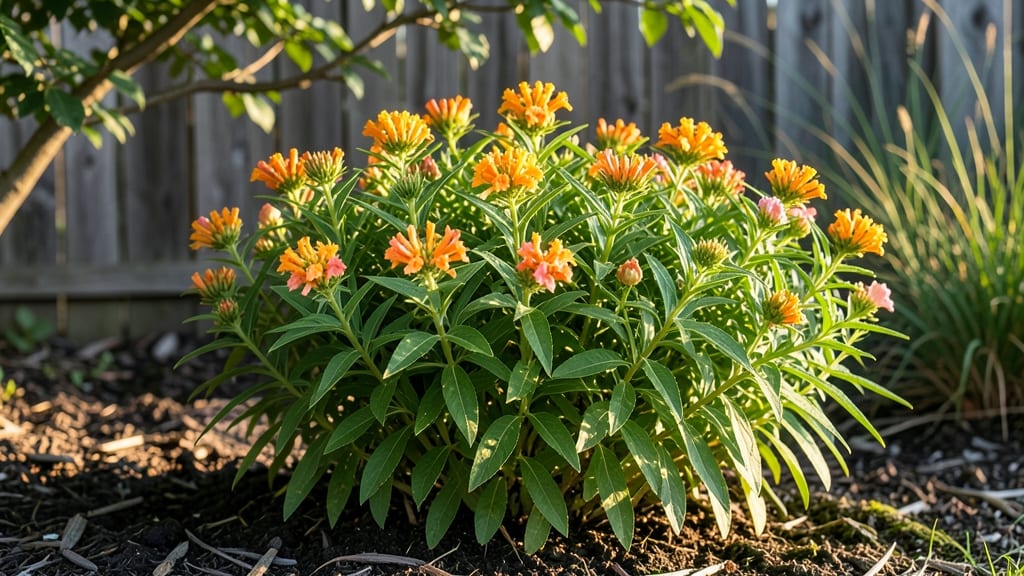
Lantana is not a true perennial in Zone 6, as it typically dies back to the ground in winter but may regrow from roots if protected. Most varieties survive light frosts but require mulching or overwintering indoors for consistent growth.
Lantana thrives naturally in warmer climates (USDA Zones 8-11), where it grows as a hardy perennial.
In Zone 6's colder winters—especially below 20°F—the plant's tender stems and leaves freeze, leaving only the roots alive. 🌱 The key to survival lies in protecting those roots from freezing soil, which is why mulching or container overwintering works.
Even with protection, some varieties may struggle with repeated freeze-thaw cycles, which is why gardeners often treat lantana as an annual in colder microclimates.
For those determined to keep their lantana year-round, consider cold-hardier hybrids like 'Miss Huff' or 'Bandana Series', which can tolerate slightly cooler conditions. These varieties still aren't true perennials in Zone 6, but they offer better odds of regrowth with proper winter care.
The trade-off? You'll need to monitor frost dates closely and act fast when temperatures dip.
💡 In This Article
- Lantana’s Cold Tolerance Limits in Zone 6
- Protecting Lantana Over Winter in Zone 6 Gardens
Lantana’s cold tolerance limits in Zone 6
Lantana (Lantana camara and related species) originates from tropical and subtropical regions, where it thrives as a perennial in USDA Zones 8-11. Its natural cold tolerance tops out around 20-25°F, meaning Zone 6’s winters—where temperatures frequently dip below 10°F—pose a serious threat.
At these low temperatures, the plant’s tender stems and leaves freeze solid, but the roots often remain viable if protected. This is why lantana behaves more like a tender perennial in Zone 6: it dies back completely above ground but may regrow from the roots if conditions improve.
The science behind this involves the plant’s cold acclimation process. Lantana lacks the ability to harden off like true Zone 6 perennials (such as coneflowers or black-eyed Susans), which can tolerate -10°F to -20°F with proper preparation.
Instead, lantana’s roots contain some cold-resistant tissues, but prolonged exposure to freezing soil (below 28°F) can kill even these. The critical threshold for root survival is 25-30°F for extended periods—any colder, and the roots risk irreversible damage.
What most gardeners don’t realize is how soil moisture and freeze-thaw cycles accelerate dieback. Wet soil conducts cold more efficiently, while repeated freezing and thawing can rupture root cells.
In Zone 6, where winter temperatures fluctuate, lantana roots may survive a single hard freeze but succumb to prolonged cold or repeated cycles. This is why mulching (which insulates roots) or container overwintering (which allows control over soil temperature) becomes essential for survival.
Visually, you’ll notice the damage after a hard frost: the stems turn black and brittle, leaves crisp up like paper, and the entire plant collapses. However, if the roots remain alive, new shoots may emerge in spring—though this isn’t guaranteed.
The regrowth rate depends on how well the roots were protected and the speed of soil warming in spring. Some gardeners report 50-70% regrowth with proper winter care, while others see no return if roots froze.
For comparison, consider how Russian sage (Perovskia atriplicifolia) handles Zone 6 winters—it’s a true perennial that survives -20°F with minimal care. Lantana, by contrast, is more like a tropical houseplant that’s been coaxed into outdoor life.
Its inability to harden off means it’s always one bad winter away from permanent loss unless you take active steps to protect it.
Here’s the bottom line: lantana’s cold sensitivity isn’t just about temperature—it’s about duration, soil conditions, and root protection. Without intervention, it’s a seasonal plant in Zone 6. With the right strategies, you can stretch its lifespan, but don’t expect it to behave like a true cold-hardy perennial. 🌿