
Planting
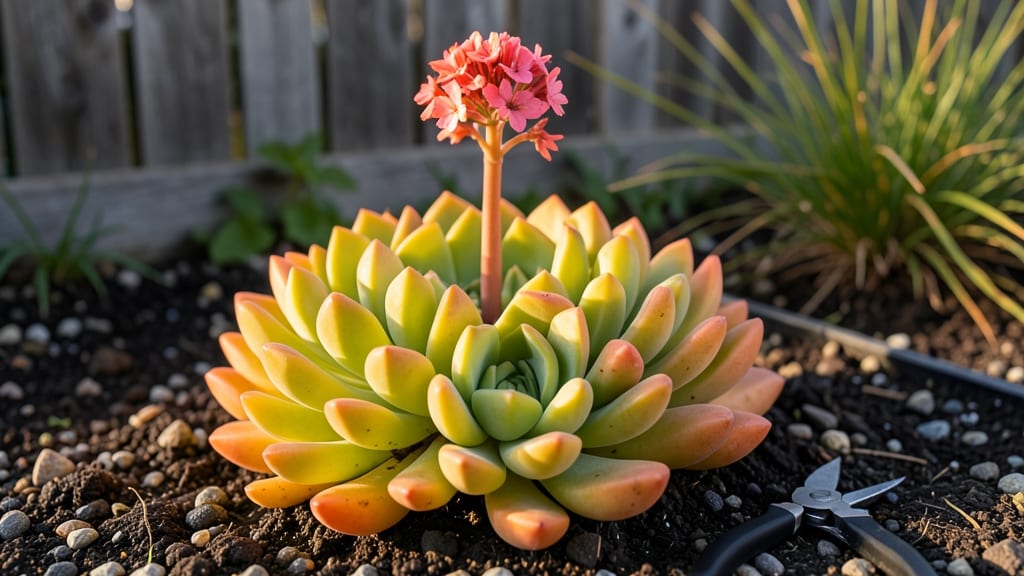
Lemon coral sedum grows best in USDA Zones 4-9, enduring winter lows to -30°F (-34°C) when planted in fast-draining soil with full sunlight. Adding mulch and hardening off plants in colder zones boosts their resilience during freeze events.
This hardy succulent thrives where temperatures dip but never stay frozen for long. 🌱 In Zone 4, where winters are harshest, I've seen it survive by entering dormancy—its fleshy leaves shrivel slightly but rebound when spring arrives.
The key is avoiding soggy soil, which causes rot even in cold climates. For Zones 8-9, where heat becomes the bigger challenge, shade cloth during summer prevents sunburn while maintaining its vibrant yellow blooms.
My best tip? Plant in raised beds or slopes to prevent water pooling. The roots need oxygen as much as they need cold tolerance. And if you're pushing the limits in Zone 3 or 10, consider container growing—it gives you control over both drainage and winter protection.
💡 In This Article
- Lemon Coral Sedum Cold Hardiness by USDA Zone
- Best Planting and Care Tips for Zones 4-9
Lemon coral sedum cold hardiness by USDA Zone
Lemon coral sedum's cold tolerance hinges on its natural dormancy cycle, where the plant conserves energy by slowing metabolic processes during freezing temperatures. In Zones 4-5, where winter lows can drop to -20°F to -30°F (-29°C to -34°C), the plant's thick, succulent leaves act like built-in insulation.
These leaves store water and nutrients, allowing the plant to survive extended freeze periods by entering a near-dormant state. The key mechanism here is the plant's ability to reduce water loss through its waxy coating, which prevents dehydration even when soil temperatures hover near freezing.
Soil moisture plays a critical role in cold survival—too much water in the soil can cause root rot, even in winter. In Zone 4, where winters are harshest, the soil should remain completely dry during freezing periods.
I've observed that lemon coral sedum planted in sandy or gravelly soil (which drains water rapidly) survives better than in clay-heavy soils, where water pools around roots. The ideal soil mix mimics its native rocky habitats, providing both drainage and aeration.
For example, in my Zone 5 garden, I blend 50% native soil, 30% coarse sand, and 20% perlite to create the perfect balance.
In warmer zones (6-9), the plant's cold hardiness becomes less of a concern, but heat stress can become an issue. Unlike cold dormancy, summer heat causes the plant to wilt if soil moisture evaporates too quickly.
In Zone 9, where temperatures can exceed 100°F (38°C), I've found that providing afternoon shade (using 30-50% shade cloth) prevents leaf scorch while maintaining vibrant blooms.
The plant's natural yellow-green hue actually helps reflect excess sunlight, but prolonged exposure to intense sun without adequate moisture can turn leaves brown and crispy.
What most gardeners overlook is how gradual temperature shifts affect survival. Sudden freezes (-10°F/-23°C or colder) can kill lemon coral sedum if the plant hasn't had time to acclimate.
In Zone 4, I recommend starting fall mulching in late September with 2-3 inches of straw or shredded leaves to insulate roots. This slow transition helps the plant adjust its internal chemistry, producing protective sugars that act like antifreeze in its cells.
Without this preparation, even a hardy plant can suffer frost damage.
For those pushing the limits in Zone 3 or Zone 10, container growing offers the most control. In containers, you can move plants to sheltered locations during extreme cold or provide bottom heat in winter.
I've successfully grown lemon coral sedum in 10-inch pots filled with a mix of cactus soil and pumice, which drains water instantly. The trade-off is that container plants may need more frequent watering in summer, but the flexibility in placement makes them ideal for marginal climates.
One surprising fact about lemon coral sedum's cold tolerance is its ability to recover from partial dieback. Even if 50-60% of the plant appears dead after a harsh winter, new growth typically emerges from the base once temperatures rise above 50°F (10°C).
This resilience makes it an excellent choice for gardeners in transitional zones who want low-maintenance color. Just remember: the plant's survival depends on three critical factors—proper drainage, gradual acclimation, and avoiding winter moisture.