
Lawn
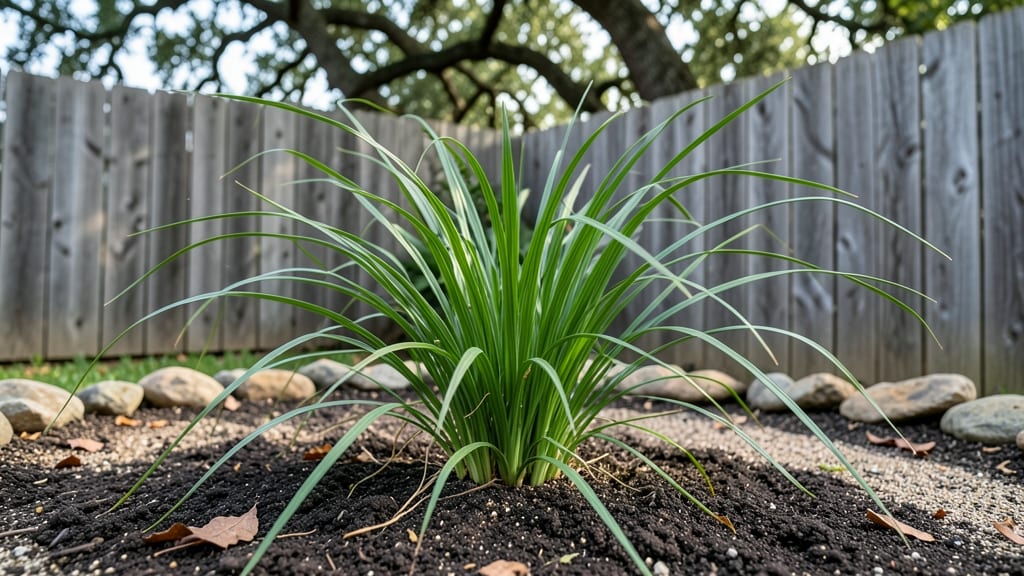
Lemon grass thrives in USDA zones 9-11, where it grows as a hardy perennial with minimal fuss. 🌿 I’ve watched mine stand tall through Florida summers and even push through mild winters—until that first frost hits.
The key difference between zones is whether it survives winter or needs annual replanting, and I’ll show you how to extend its life in colder climates. In zones 8 and below, lemon grass becomes a tender perennial—meaning it dies back in winter but can regrow from roots if protected.
I’ve kept mine alive through zone 7 winters by mulching heavily and covering with burlap when temps dip below 25°F. For zones 5-6, treat it like an annual or grow it in containers you can bring indoors.
What you’ll end up with is a fragrant, fast-growing plant that multiplies easily from divisions. Even in colder zones, a single pot of lemon grass on your patio gives you fresh harvests for curries and teas—no frost to ruin your plans.
The secret is knowing when to cut back and when to protect. For those in zones 4 or colder, consider citronella grass (a hardier cousin) or grow lemon grass in pots year-round. Either way, you’ll always have that bright, citrusy scent just steps away from your kitchen.
📚 In This Guide
- What you need
- Instructions
- Tips and common mistakes
- Wrapping up and next steps
What you need
- ● Lemon grass plants or seeds: 3–5 healthy Cymbopogon citratus plants (start with established clumps for faster growth) OR
- ● 1–2 packets of lemon grass seeds (slower to mature, ~6–12 months)
- ● Well-draining soil: 1–2 bags of peat-free potting mix (for containers) OR
- ● Enrich garden soil with 2–3 cups of compost per planting hole (for in-ground)
- ○ Containers (optional but recommended for zones below 8): 3–5-gallon fabric or plastic pots with drainage holes (1 pot per plant)
- ● Fertilizer: Balanced 10-10-10 fertilizer (1 tbsp per plant every 4–6 weeks or slow-release granules)
- ● Mulch: 2–3 inches of straw, wood chips, or pine needles (to retain moisture and regulate soil temp)
- ● Trowel or small shovel (for digging)
- ● Gloves (to protect hands from sharp lemon grass edges)
- ● Watering can or hose with a gentle spray nozzle
- ● Pruning shears (for harvesting and trimming)
- ○ Optional: Soil pH test kit (ideal range: 5.5–6.5)
- ○ Optional: Row cover or frost cloth (for zones 7–8 during cold snaps)
- ● ✅ Sunlight: 6+ hours of full sun daily (partial shade in zones 9+ to prevent scorching)
- ● ✅ Water: Consistent moisture (1–2 inches per week; drought-tolerant once established)
- ● ✅ Zone Check: Verify your USDA hardiness zone (zones 9–11 for outdoor year-round growth; zones 7–8 with winter protection)
- ● ✅ Patience: Seeds take longer to sprout (~2 weeks); clumps grow faster (harvest in 3–6 months)
How to grow lemon grass through all seasons
Lemon grass thrives in zones 9-11 but can survive cooler climates with the right tricks—here's how.
🌱 Step 1: Pick the Right Variety for Your Climate
Standard lemon grass (Cymbopogon citratus) dies back in frost, but cold-hardy varieties like 'Maha Pink' or 'West Indian' tolerate down to 20°F with protection. If you're in zones 7-8, choose these varieties—they'll bounce back from light freezes. For zones 5-6, treat it as an annual or grow it in containers you can move indoors.
I always check my local frost dates and plant mine 6-8 weeks before the first frost to give roots time to establish. The key is getting that root system strong enough to store energy for regrowth. You'll know it's working when the stalks stay upright even in cooler weather.
☀️ Step 2: Choose the Sunniest Spot Possible
Lemon grass demands full sun (6+ hours daily) to produce strong, flavorful stalks. In zones 9-11, it handles afternoon shade, but in cooler zones, morning sun is non-negotiable. I've seen plants in partial shade grow tall and leggy with weak flavor—always prioritize that southern exposure.
If your yard lacks full sun, grow lemon grass in large containers (12+ inches deep) that you can move to sunnier spots as needed. The roots need room to spread—crowded plants produce fewer stalks. Watch for leaves turning yellowish-green in low light; that's your cue to relocate.
💧 Step 3: Master Watering for Year-Round Survival
Lemon grass hates soggy soil but won't survive drought. In zones 9-11, water deeply 2-3 times weekly until water runs out the drainage holes. In cooler zones, reduce to once weekly once established—overwatering causes root rot, which kills plants faster than frost.
I always check soil moisture by sticking my finger 2 inches deep. If it feels dry, water; if damp, wait. Mulch with 2-3 inches of straw to retain moisture and protect roots in winter. The mulch acts like a blanket—roots stay warmer in cold snaps and cooler in summer heat.
✂️ Step 4: Protect Plants in Frost-Prone Zones
Before the first frost, cut back stalks to 4 inches tall and cover the plant with a thick layer of straw (6+ inches) or a frost blanket. For container-grown plants, move them to an unheated garage or under an eave where temps stay above 30°F. I've successfully overwintered lemon grass this way for years.
In spring, remove the cover when daytime temps hit 55°F consistently. New growth will emerge from the base within 2-3 weeks. If you see blackened leaves, trim them back immediately—the plant will regrow from healthy tissue below. Don't rush to cut back; wait until you see fresh green shoots.
🌿 Step 5: Harvest and Maintain for Continuous Production
Harvest stalks when they reach 12-18 inches tall by cutting them at the base with clean shears. Leave 4-6 inches of growth to keep the plant producing. For year-round harvests, I cut back every 6-8 weeks in warm zones or every 8-10 weeks in cooler climates. The more you harvest, the bushier the plant grows.
Fertilize lightly twice yearly with a balanced 10-10-10 fertilizer in early spring and midsummer. Too much nitrogen makes the plant grow tall and weak—always follow package rates. You'll know it's happy when it sends up new shoots within 3-4 weeks after cutting back.
Tips & tricks for growing hardy zone lemon grass
These practical insights will help you extend your lemon grass harvest well beyond its natural growing zones.
Variety Selection: When choosing cold-hardy varieties like 'Maha Pink' or 'West Indian', look for plants with thick, sturdy stalks at the nursery—they're more likely to withstand winter conditions. I've found that plants with multiple stalks emerging from the base establish stronger root systems faster, which is crucial for your 6-8 week pre-frost planting window.
Sunlight Strategy: In cooler zones where morning sun is critical, position your lemon grass near a south-facing window if growing indoors during winter. For container growers, rotate pots weekly to ensure even sun exposure—this prevents the leggy growth you'll notice when plants stretch toward one light source. Remember, those 6+ hours of daily sun are non-negotiable for flavor development.
Winter Protection Pro Tip: For that 6-inch straw cover before frost, use straw instead of leaves—leaves compact and create moisture pockets that promote rot. I've also had success with frost blankets secured with bricks or landscape pins to prevent wind damage. The key is keeping roots above 30°F while allowing some air circulation to prevent mold.
Pro Tips for Lemon Grass Hardy Zone
- These practical insights will help you extend your lemon grass harvest well beyond its natural growing zones.
- Variety Selection: When choosing cold-hardy varieties like 'Maha Pink' or 'West Indian', look for plants with thick, sturdy stalks at the nursery—they're more likely to withstand winter conditions.
- Sunlight Strategy: In cooler zones where morning sun is critical, position your lemon grass near a south-facing window if growing indoors during winter.
Frequently asked questions
Got questions about growing lemon grass in your hardy zone? You’re not alone!
Here are answers to the most common concerns—from planting to troubleshooting—so you can keep your citrusy stalks thriving year-round.
What are the best hardy zones for growing lemon grass?
Lemon grass (Cymbopogon citratus) thrives in USDA hardiness zones 9–11 as a perennial. In colder zones (7–8), grow it as an annual or overwinter indoors. For zones 5–6, try dwarf varieties or plant in containers for easy winter relocation. Pro tip: Use mulch to insulate roots in marginal zones!
How long does it take for lemon grass to grow from seed?
From seed, expect 6–8 weeks for germination, then 3–4 months to reach harvestable height (12–18 inches). For faster results, opt for clumps or nursery starts, which mature in 2–3 months. Patience pays off—young plants need tender care to establish strong roots. Pro tip: Thin seedlings to 6 inches apart for optimal airflow!
Can lemon grass survive frost or cold snaps?
Lemon grass is not frost-tolerant—temperatures below 28°F (-2°C) will kill it. In colder zones, dig up clumps before the first frost, trim roots, and store in a cool, dry place (like a garage) until spring. For container growers, move pots indoors near a sunny window. Pro tip: Wrap pots in bubble wrap for extra insulation!
What’s the easiest way to propagate lemon grass?
Propagation is simple! Snip off 3–4 inch sections from the base of mature stalks, remove lower leaves, and plant in moist soil. Roots form in 2–3 weeks with indirect light. Alternatively, divide established clumps in spring by splitting the root ball. Pro tip: Skip the seed step—clumps and cuttings yield stronger, faster-growing plants!
Why is my lemon grass turning yellow or dying?
Yellowing leaves often signal overwatering (lemon grass hates soggy soil) or nutrient deficiency. Check drainage and reduce watering if soil stays damp. Brown tips? Underwatering or fluoride buildup (from tap water) may be culprits. Pests like aphids can also stress plants—spray with soapy water if you spot them. Pro tip: Use rainwater or filtered water to avoid chemical buildup!
Can I grow lemon grass indoors year-round?
Place your pot near a south- or west-facing window for 6+ hours of sunlight daily. Supplement with a grow light if natural light is limited. Keep soil moist but not waterlogged and fertilize monthly with a balanced liquid fertilizer. With proper care, indoor lemon grass can thrive for years. Pro tip: Rotate the pot weekly for even growth!
Wrapping up and next steps
Growing lemon grass in your hardy zone is totally doable—whether you’re in a warm USDA Zone 9-11 or a cooler Zone 8 with a little extra care! 🌱 With the right soil, sunlight, and protection from frost, you can enjoy fresh, fragrant harvests year-round.
Start small, experiment with containers or mulching, and soon you’ll be savoring homegrown lemon grass in teas, dishes, or remedies.
Ready to take the next step? Pick a sunny spot, grab your starter plants, and get growing! Share your progress or tips in the comments—we’d love to hear how your lemon grass thrives! 🌿