
Planting
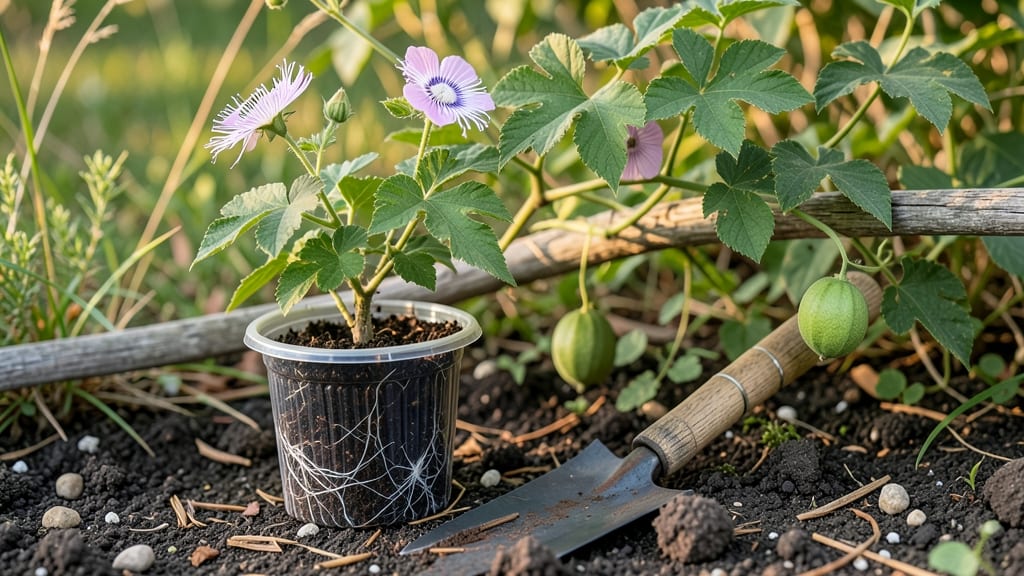
Passion flower thrives best in USDA planting zones 5 through 11, with peak performance in zones 7 to 10. For successful planting, time it right—early spring after frost in cooler regions or late spring in warmer climates—while keeping soil temperatures above 60°F for germination.
Understanding your local climate zone is key because passion flowers vary dramatically in their tolerance for cold snaps. 🌿 In zones 5-6, you'll need to protect mature plants with mulch or frost cloth during winter, while tropical varieties in zones 10-11 may struggle with temperatures below 30°F.
The 7-10 range offers the sweet spot where most varieties thrive year-round with minimal winter care.
For container growing, this flexibility becomes even more valuable since you can move potted plants indoors during cold snaps. I've found that starting seeds indoors 8-10 weeks before the last frost date gives them the head start they need to establish strong roots before transplanting.
The key is matching your planting schedule to your specific microclimate—some coastal areas in zone 9 may have milder winters than inland regions.
💡 In This Article
- USDA Zone Map Breakdown for Passion Flower Growth
- Best Planting Timing by Region and Climate
USDA zone map breakdown for passion flower growth
Passion flowers exhibit remarkable adaptability across USDA zones, but their survival hinges on understanding specific temperature thresholds. In zones 5-6 (average minimum -10°F to 0°F), most varieties enter dormancy when temperatures drop below 20°F, with some hardy types like Passiflora incarnata tolerating brief dips to -15°F.
The plant's woody vines store energy during winter, allowing regrowth once soil temperatures exceed 50°F in spring. 🌱
Zones 7-10 represent the ideal range where passion flowers thrive year-round with minimal winter stress. These zones offer average minimums from 0°F to 30°F, allowing even frost-sensitive varieties like Passiflora caerulea to survive mild winters.
The key mechanism here is the plant's ability to balance growth and dormancy—when nights dip below 40°F, growth slows but doesn't halt completely, unlike in colder zones where dormancy is essential for survival.
Tropical varieties in zones 10-11 (average minimum 30°F+) face different challenges—they struggle with temperatures below 30°F, which can cause irreversible damage to their delicate foliage. These varieties often exhibit evergreen growth patterns but may drop leaves during brief cold snaps.
The good news? Many tropical passion flowers recover quickly once temperatures return to 60°F+, making them excellent candidates for container growing where you can move them indoors during cold snaps.
What most gardeners don't realize is how microclimates within a zone can dramatically affect passion flower success. For example, a zone 7 garden in a sheltered valley might experience 10°F warmer winters than one on a wind-exposed hillside.
This is why I recommend planting near south-facing walls or using black plastic mulch to create 5-10°F warmer soil conditions—critical for varieties at the edge of their hardiness range.
Soil temperature plays an equally vital role in germination and early growth. Passion flower seeds require soil temperatures above 60°F to germinate, which is why direct sowing in cooler zones must wait until late spring.
In warmer zones (8-11), you can start seeds as early as February, but be prepared for slower growth during cooler periods. The plant's root system develops best when soil stays consistently above 55°F, which is why mulching with 3-4 inches of organic matter helps maintain these temperatures.
For container growers, this zone flexibility becomes a game-changer. You can successfully grow tropical varieties in zone 8 by overwintering pots in unheated garages where temperatures stay above 40°F.
The secret is using lightweight, well-draining potting mixes that prevent root rot while allowing the plant to enter a mild dormancy when temperatures dip. I've had success with Passiflora edulis (passion fruit) in zone 9 containers using this method. 🌿