
Advice
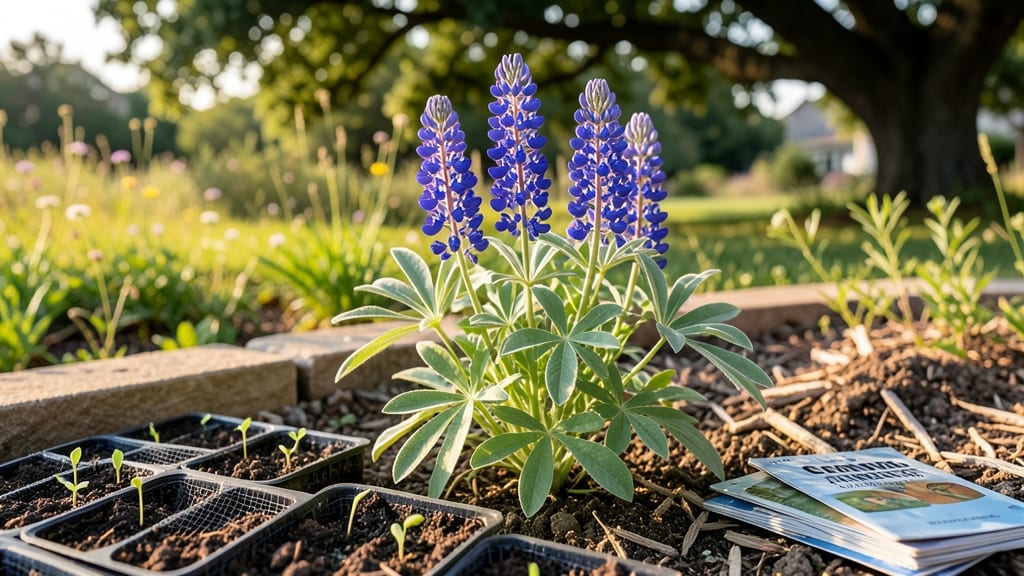
Choosing seeds for Zone 8A means selecting varieties that handle mild winters and intense summers, with quick harvests like cherry tomatoes, bush beans, and zucchini as top performers. Plant warm-season crops after last frost (mid-March to April) and cool-season varieties in fall (September-October).
Zone 8A's extended growing season—typically 240-280 frost-free days—lets you grow a wider range of plants than colder zones.
The key is matching seeds to your area's specific heat tolerance needs: 90°F+ summers demand heat-resistant varieties, while 10-15°F winters allow for fall planting opportunities many gardeners overlook. 🔥 I've found that container gardening works especially well here, giving you flexibility to move heat-sensitive plants to shaded spots when needed.
For fastest results, focus on 45-60 day varieties—like radishes or lettuce—that can be harvested before summer heat peaks.
Many gardeners in Zone 8A also double up on crops by planting cool-season greens in early spring and fall, then switching to heat-lovers like okra or sweet potatoes once temperatures rise. The soil here tends to stay warm longer, so mulching becomes your best friend for moisture retention.
💡 In This Article
- Understanding Zone 8A Climate for Seed Selection
- Best Fast-Growing Seeds for Zone 8A Gardens
Understanding zone 8A climate for seed selection
Zone 8A's unique climate—where winter lows dip to 10-15°F and summers often hit 90°F+—creates a perfect storm for gardeners who love year-round growing.
The 240-280 frost-free days mean you can push the limits with both warm and cool-season crops, but the real challenge lies in selecting seeds that can handle these temperature extremes.
For example, while cool-season crops like kale or spinach thrive in fall's mild temperatures, they'll bolt quickly when daytime temps exceed 75°F—so timing is everything.
The soil in Zone 8A stays warm longer than in cooler climates, which speeds up germination and growth but also increases water evaporation rates. This is why heat-tolerant varieties like 'Heatmaster' okra or 'Solar Fire' tomatoes perform so well—they've been bred to maintain productivity when other plants wilt.
The extended growing season also means you can experiment with tropical crops like sweet potatoes that would struggle in shorter seasons, but they require well-draining soil to prevent root rot from summer's intense heat.
What most gardeners don't realize is how the humidity levels in Zone 8A can vary dramatically between coastal and inland areas. Coastal regions typically see 70-80% humidity, which helps prevent soil drying but creates ideal conditions for fungal diseases like powdery mildew.
Inland areas with 40-50% humidity often need more frequent irrigation. This is why disease-resistant seed varieties (look for labels mentioning "V" for virus resistance or "F" for fungal resistance) become essential for maintaining healthy plants through both the rainy spring and dry summer months.
Another critical factor is the last frost date, which typically falls between mid-March and early April in most Zone 8A areas, but can vary by 1-2 weeks depending on elevation and microclimates.
Using a frost-sensitive plant like basil as your indicator is a smart move—when those leaves show no frost damage, it's safe to plant heat-lovers.
Conversely, fall planting windows close quickly as temperatures drop, so aim to get cool-season crops in the ground by late September to ensure they mature before winter sets in.
For container gardeners, the climate presents both challenges and opportunities. Pots heat up faster than garden beds, so light-colored containers reflect sunlight better and help prevent root stress.
I've found that self-watering pots with wicking fabric work exceptionally well here, as they maintain consistent moisture levels without requiring daily attention—a lifesaver during summer's peak heat.
The key is choosing compact, heat-tolerant varieties like 'Patio' cherry tomatoes or 'Bush Blue Lake' beans that thrive in containers while still delivering high yields.
One often-overlooked aspect is how soil pH interacts with temperature in Zone 8A. The warmer soil speeds up nutrient breakdown, which can lead to deficiencies if not monitored. Most vegetables prefer a slightly acidic to neutral pH (6.0-7.0), but tropical plants like eggplant actually thrive in 6.8-7.5 range.
Testing your soil in early spring and fall gives you time to amend with lime (to raise pH) or sulfur (to lower it) before planting, ensuring your seeds have the perfect growing conditions from day one.
Remember, the most successful Zone 8A gardeners treat their planting calendar like a flexible timeline rather than rigid dates.
By understanding how your local climate's specific temperature ranges affect different seed varieties, you can create a garden that produces abundantly all year round—without the stress of guessing what will thrive. 🌱