
Tools
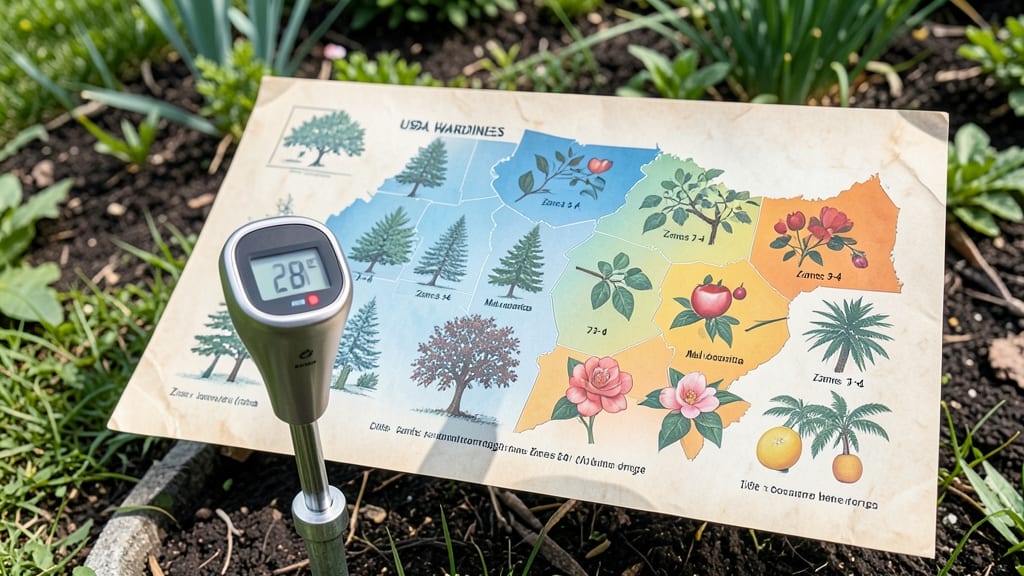
Gardening zones mean climate-based regions defined by the USDA to indicate average minimum winter temperatures, helping gardeners select plants that thrive in their local conditions for optimal growth and survival. These zones range from 1 (coldest) to 13 (warmest).
Gardening zones, often called USDA Plant Hardiness Zones, are like a gardener's climate GPS. 🌱 These zones divide North America into 13 temperature-based regions (1 being the coldest, 13 the warmest) to help you pick plants that'll survive your area's harshest winters.
For example, a zone 5 plant like a peony can handle down to -20°F, while a zone 9 olive tree needs protection from anything below 20°F. The system uses 30-year averages of the coldest winter temperatures, so it's based on real-world data rather than guesswork.
What makes this system powerful is how it accounts for microclimates—tiny areas with different conditions than their surroundings. A south-facing wall might create a zone 8 microclimate in an otherwise zone 6 yard, allowing you to grow warmer-weather plants like bougainvillea.
Elevation also plays a role: higher altitudes often mean colder temperatures, so you might need to adjust your zone by one or two numbers. The key is matching your plants' hardiness ratings (found on seed packets or plant tags) to your zone for the best chance of success.
💡 In This Article
- How USDA Plant Hardiness Zones Work
- Choosing Plants Based on Your Gardening Zone
How USDA plant hardiness zones work
The USDA Plant Hardiness Zone Map divides North America into 13 zones based on the average annual minimum winter temperature—the coldest temperature a region typically experiences. These zones are calculated using 30-year temperature averages from weather stations, ensuring the data reflects long-term climate patterns rather than short-term fluctuations.
For instance, zone 1 (-60°F) covers Alaska's interior, while zone 13 (100°F) includes parts of southern Florida and Hawaii, where winter temperatures rarely drop below freezing.
Each zone is further divided into a and b subzones, representing a 10°F difference in minimum temperatures. A zone 6a area (where temps drop to -10°F) might struggle with a zone 6b plant (down to 0°F) in a harsh winter, while the reverse is usually safe.
This precision helps gardeners fine-tune their plant choices. The system also accounts for microclimates—small areas with unique conditions, like a sunny south-facing slope that might be 5°F warmer than the surrounding yard, allowing you to grow plants suited to a slightly higher zone.
Elevation adds another layer of complexity. For every 1,000 feet gain in altitude, temperatures typically drop by 3.5°F. A gardener in Denver (elevation 5,280 feet) might find themselves in zone 5, while someone in nearby Boulder (elevation 5,430 feet) could be in zone 4.
This is why the USDA map includes elevation adjustments—helping mountain gardeners avoid frost damage to tender plants. The goal is simple: match the hardiness zone of your plants to the coldest temperatures your area regularly experiences.
Here's where the science gets interesting: plants have genetic survival thresholds. A peony rated for zone 5 can tolerate -20°F because its cells produce antifreeze proteins that prevent ice crystals from forming. But drop the temperature 10°F lower, and those proteins fail, leading to cell damage.
The USDA zones help you avoid this risk by giving you a reliable baseline for what your local climate can handle.
For example, a zone 7 azalea (down to 0°F) will thrive in Atlanta, but a zone 8 hibiscus (down to 10°F) might succumb to a single hard freeze.
What most gardeners don't realize is how transition zones (like zone 7b/8a) create challenges. These areas often experience extreme temperature swings, where a plant might survive the winter but struggle with summer heat or humidity.
For instance, a zone 7b garden in Virginia might see summers hot enough for zone 8 plants but winters cold enough to damage them. This is why many gardeners in these zones opt for heat-tolerant varieties or use mulch and winter protection to extend a plant's range by one zone.
To put it into perspective, imagine planting a zone 9 citrus tree in zone 5—it would likely die in the first winter unless you overwinter it indoors. But in zone 9, that same tree thrives year-round, producing fruit because the coldest winter temps rarely drop below 20°F.
The USDA zones act as a survival guide, ensuring your plants have the best chance to grow strong and healthy in your specific climate.