
Planting
Tampa, Florida, falls primarily in USDA Plant Hardiness Zone 10a, with microclimates ranging to Zone 10b due to coastal influences and urban heat. Average winter lows stay above 30°F, allowing year-round tropical and subtropical gardening.
Tampa's coastal location and urban sprawl create distinct growing conditions that push some areas into Zone 10b, where temperatures rarely dip below 35°F.
The Gulf of Mexico acts like a natural insulator, moderating winter chills and extending the growing season. 🌿 For gardeners, this means you can safely plant tropical favorites like palm trees, bougainvillea, and citrus without worrying about frost damage.
However, inland areas may experience slightly cooler nights, so always check your specific location's microclimate before selecting heat-sensitive plants.
What sets Tampa apart is its ability to grow subtropical plants year-round, even during mild winters. The humidity and consistent warmth create ideal conditions for hibiscus, jasmine, and ornamental grasses that might struggle in cooler zones.
Just remember: while Zone 10a/10b is generally frost-free, rare cold snaps can still occur, so having a plan to protect tender plants is wise.
💡 In This Article
- How Tampa’s Coastal Climate Affects Planting Zones
- Best Plants for Tampa’s USDA Zone 10a/10b Gardens
How Tampa’s coastal climate affects planting zones
Tampa’s location just 20 miles from the Gulf of Mexico creates a unique climate where warm ocean currents act like a thermal blanket. The Gulf Stream carries warm water northward, raising Tampa’s average winter temperatures by 3-5°F compared to inland areas at the same latitude.
This coastal influence is why the city spans Zone 10a (average minimum 30-35°F) and Zone 10b (average minimum 35-40°F), with the most extreme coastal areas reaching Zone 10b conditions.
The urban heat island effect further amplifies these differences. Downtown Tampa’s concrete and asphalt absorb and radiate heat, creating microclimates that can be 5-10°F warmer than rural areas just 10 miles away.
This urban warmth explains why some downtown gardens thrive with Zone 10b plants like Mexican petunias or elephant ears, while suburban yards might need slightly more cold-hardy varieties. The Gulf’s humidity also plays a role—consistent moisture levels prevent soil from freezing, even during rare cold snaps.
Frost-free dates are another critical factor. Tampa averages 300-320 frost-free days per year, meaning gardeners can plant tropical crops like papayas or avocados with minimal risk. However, the 1985 cold snap (when temperatures dropped to 25°F) serves as a reminder that even Zone 10b isn’t completely frost-proof.
Coastal areas recover faster from cold snaps because the Gulf’s warmth moderates overnight lows, while inland regions may experience more dramatic temperature swings.
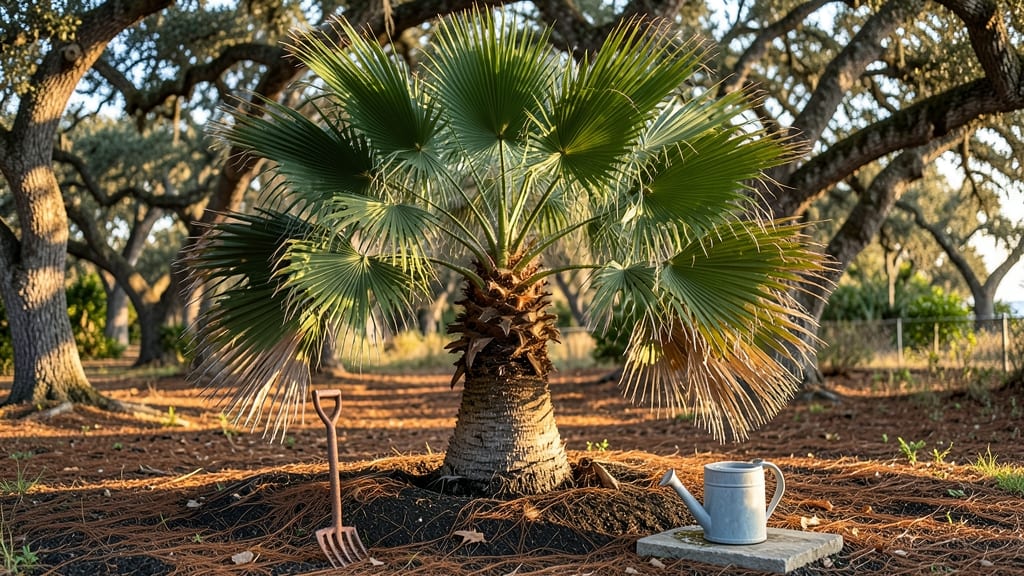
For gardeners, these climate variations mean careful plant selection. Coastal Zone 10b areas can handle palm trees like the Chinese fan palm, which tolerates brief dips to 30°F, while Zone 10a inland might struggle with the same species.
The key is understanding your specific microclimate—shaded yards stay cooler than sun-baked patios, and elevated areas lose heat faster at night. Tools like the USDA’s Plant Hardiness Zone Map or local extension office data can help pinpoint your exact conditions.
Humidity adds another layer of complexity. Tampa’s average 70-80% humidity benefits tropical plants but challenges those from drier climates. For example, bougainvillea thrives in this environment, while cacti may require extra drainage.
The combination of warmth, humidity, and coastal breezes creates ideal conditions for year-round blooming in plants like hibiscus or plumbago, which might need winter dormancy in cooler zones.
What most gardeners don’t realize is how quickly conditions can shift. A 5-mile drive inland might drop you from Zone 10b to 10a, changing which citrus varieties will survive winter.
For instance, Meyer lemons (hardy to 20°F) thrive in Zone 10b, while satsuma mandarins (hardy to 18°F) may struggle in Zone 10a unless protected. The lesson? Always check your exact location’s microclimate before investing in heat-sensitive plants.