
Planting
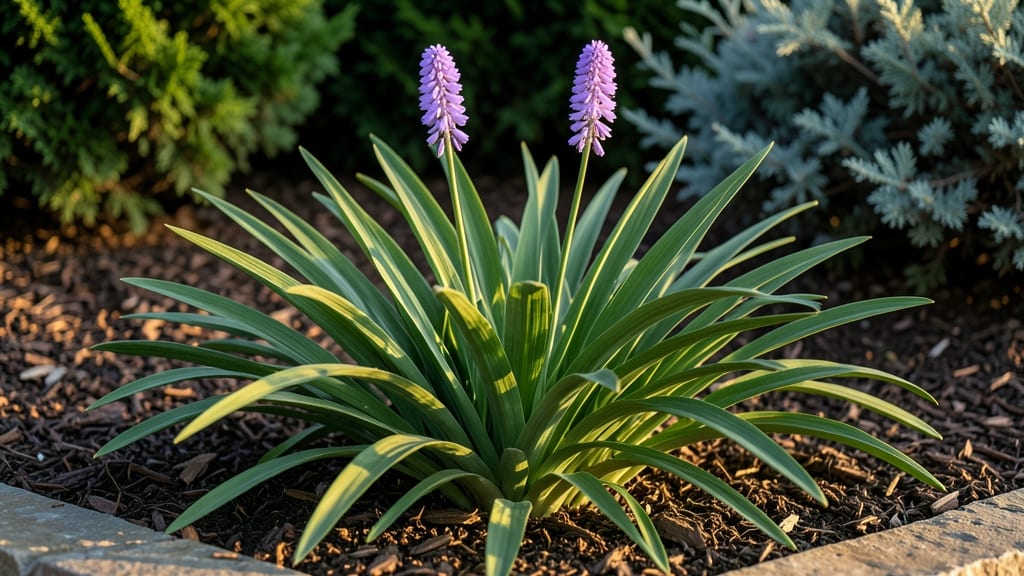
Savannah, Georgia, falls under USDA Planting Zone 8a, where average minimum temperatures range between 10°F and 15°F (-12°C to -9°C), allowing for year-round gardening with careful plant selection and seasonal adjustments.
Savannah's classification as Zone 8a reflects its mild winters and long growing season, thanks to its coastal location. 🌿 The city's subtropical climate means frost is rare but can still occur, typically between late November and early March.
This zone supports a wide variety of plants, from citrus trees to cold-hardy vegetables, but requires attention to late frosts that can damage tender varieties. I've found that understanding these temperature ranges helps me choose the right plants for each season, maximizing my garden's potential.
What sets Savannah apart is its unique blend of coastal and inland influences. The Atlantic Ocean moderates temperatures, creating microclimates where some areas may experience slightly warmer winters than others. This variation means gardeners should pay close attention to their specific location within the city when selecting plants.
For instance, areas closer to the water might support more tropical varieties than those further inland.
💡 In This Article
- Understanding Savannah’s USDA Zone 8a Climate Factors
- Best Plants for Savannah’s Zone 8a Garden
Understanding Savannah’s USDA zone 8a climate factors
Savannah’s classification as Zone 8a stems from its average annual minimum temperature of 10-15°F (-12°C to -9°C), but what truly defines this zone is the interplay between coastal moderation and subtropical influence. The Atlantic Ocean acts as a thermal buffer, preventing extreme temperature swings that inland areas experience.
For example, while Atlanta (Zone 7b) might see 15°F (-9°C) lows, Savannah rarely drops below 20°F (-7°C) due to ocean currents that carry warmer air inland. This coastal effect extends the growing season by 2-3 weeks compared to nearby inland regions.
The humidity in Savannah—often exceeding 70% year-round—plays a critical role in plant hardiness. High moisture levels can make frost less damaging because ice crystals form more slowly, giving plants a better chance of survival.
However, this humidity also means fungal diseases thrive, so gardeners must balance watering with proper airflow. 🌿 The subtropical climate allows for year-round growth of tropical plants like hibiscus and bougainvillea, but even these need protection when temperatures dip below 25°F (-4°C).
This is why microclimates matter: a garden near the river might support citrus trees that would perish in a drier, inland microclimate.
Frost dates in Savannah are unpredictable but typically occur between November 15 and March 15, with the last frost around March 1. However, late frosts can still hit in April, catching off-guard gardeners who’ve planted tender crops like tomatoes or peppers too early.
The USDA zone map simplifies this complexity, but local data shows that Savannah’s actual frost-free period averages 280 days, making it one of the longest in the Southeast. This extended season is why Savannah gardeners can grow sweet potatoes twice a year—once in spring and again in fall.
Another key factor is soil temperature, which in Savannah often stays above 60°F (15°C) even in winter. This warmth allows for winter vegetable gardening of crops like kale, spinach, and carrots, which thrive in cooler weather.
The soil’s sandy loam composition also drains well, reducing waterlogging that could stress plants during the city’s occasional heavy rains. For gardeners, this means less irrigation is needed compared to clay-heavy soils, but more attention to mulching to retain moisture during dry spells.
Understanding these climate factors helps explain why Savannah supports such a diverse range of plants. The subtropical nature allows for palm trees and camellias, while the moderate winters accommodate roses and hydrangeas that would struggle in colder zones.
The coastal influence also means salt tolerance becomes a consideration for plants near roads treated with de-icing salts. For example, rosemary and lavender thrive in Savannah’s zone but may need protection from road salt spray if planted near busy streets.
What most gardeners don’t realize is how wind patterns affect plant survival. Savannah’s frequent sea breezes can dry out soil and desiccate tender leaves, especially for broadleaf plants like coleus or impatiens. This is why windbreaks—such as hedges or trellises—are essential for protecting smaller plants.
The combination of heat, humidity, and wind creates a unique growing environment that rewards those who adapt their techniques. For instance, drip irrigation is often more effective than overhead watering to prevent fungal issues caused by prolonged leaf wetness.