
Planting
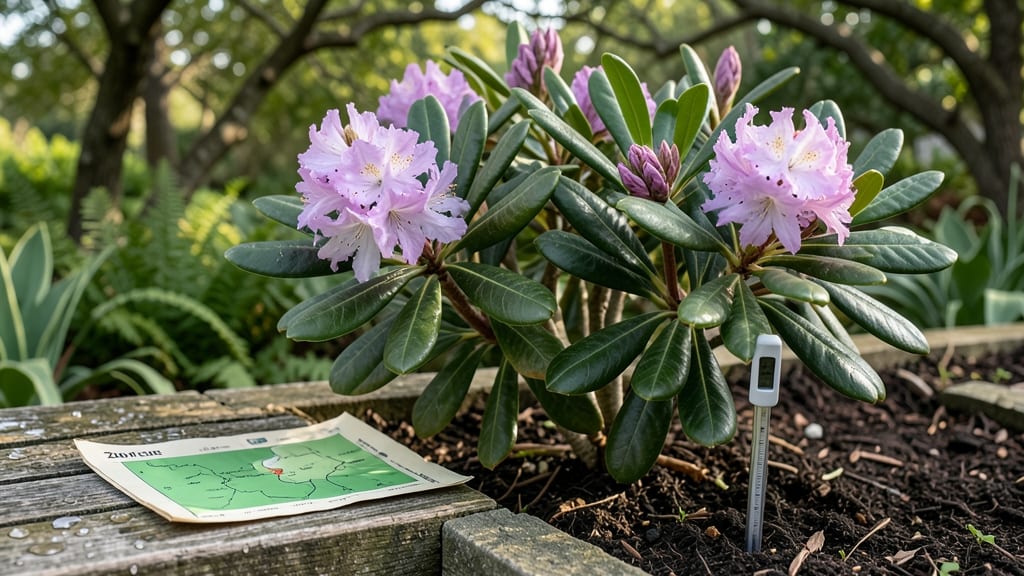
Lexington, KY is located in USDA Hardiness Zones 6b and 7a, which means gardeners there can grow a wide variety of cold-hardy plants that thrive in winter lows between 5°F and 10°F (-15°C to -12°C).
Understanding your local growing zone helps you choose plants that will survive Lexington's seasonal shifts—from hot summers to chilly winters. 🌱 The transition between zones 6b and 7a means some areas may experience slightly warmer winters, especially in microclimates like urban heat islands or sheltered valleys.
This variation affects what you can plant: for example, peonies and hostas thrive here, while more tender plants like bougainvillea need container growing or winter protection.
The USDA zone also influences when to plant cool-season crops like lettuce in early spring or late fall, giving gardeners a longer growing window than you might expect.
Local nurseries often recommend zone-appropriate plants, but checking the Lexington microclimate matters too—higher elevations or open fields can push you closer to zone 6b, while protected areas might lean toward 7a. For example, crabapple trees and daylilies are reliable choices, while palm trees would struggle without winter care.
Always verify with your county extension office for the most precise guidance!
💡 In This Article
- Lexington’s Climate and USDA Zone Impact on Gardening
- Best Plants for Lexington KY’s USDA Zones 6b-7a
Lexington’s climate and USDA zone impact on gardening
Lexington’s placement in USDA Zones 6b and 7a reflects its unique blend of humid subtropical and continental climate influences. The key factor here is the city’s average annual minimum temperatures, which range from -5°F to 10°F (-21°C to -12°C) during the coldest winters.
This classification isn’t just about cold tolerance—it also accounts for Lexington’s 150+ frost-free days annually, with the last spring frost typically occurring around April 15 and the first fall frost arriving near October 15.
These dates create a 210-day growing season, longer than many might expect for its latitude.
The transition between zones 6b and 7a in Lexington is influenced by microclimates created by elevation changes and urban heat islands.
For instance, areas near the Kentucky River or in higher elevations (like parts of Tates Creek) may experience colder winters, leaning toward Zone 6b, while downtown Lexington’s concrete and buildings can create Zone 7a-like conditions up to 2°F warmer.
This variation explains why some gardeners in the city can successfully grow zone 7 plants like crape myrtle in sheltered spots, while others need to protect zone 6 plants like Russian sage during harsh winters.
What this means for gardeners is that Lexington’s climate allows for both cold-hardy perennials and some tender annuals when planted at the right time.
The city’s humidity levels (averaging 75% in summer) also play a role—plants like hydrangeas thrive here because they appreciate moisture, while drought-tolerant species such as purple coneflower require well-draining soil to avoid root rot.
The heat tolerance is equally important: Summers routinely reach 90°F+, so shade-loving plants like hostas and ferns need afternoon protection, while sun-worshippers like black-eyed Susans flourish in full exposure.
Understanding these nuances helps explain why some plants labeled for Zone 7 might struggle in Lexington’s colder microclimates. For example, camellias, which prefer Zone 7, may need winter mulching in Zone 6b areas. Conversely, crabapple trees (Zone 4-8) are reliable choices because they handle Lexington’s temperature swings.
The USDA zone also guides planting timing: Cool-season crops like kale can be sown as early as late February, while warm-season tomatoes should wait until after May 1 to avoid frost damage.
Local factors like wind exposure and soil type further refine plant selection. Lexington’s clay-heavy soil benefits from amendments like compost, while windy areas (common in open fields) require windbreaks for delicate plants.
The city’s humid summers also mean fungal diseases like powdery mildew are more prevalent, making resistant varieties (such as disease-resistant roses) a smart choice. 🌿
For precise guidance, Lexington gardeners often consult the University of Kentucky Cooperative Extension Service, which provides localized advice. Their data shows that while the USDA zones offer a baseline, real-world conditions—like a particularly cold winter or early heatwave—can push plants outside their expected limits.
This is why many local nurseries recommend one zone harder than the USDA map suggests for reliability.