
Planting
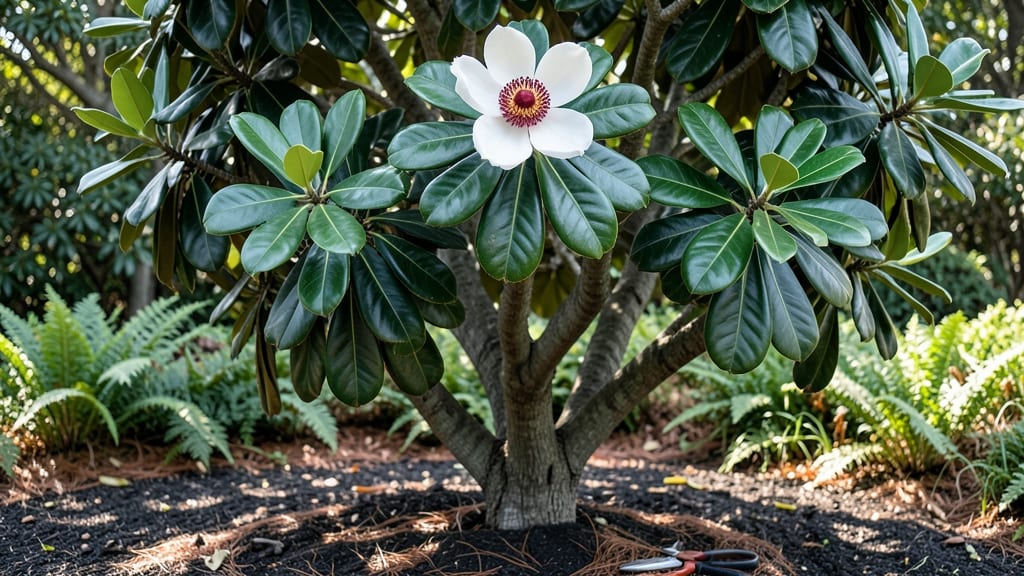
Memphis, TN is located in USDA Hardiness Zones 7b and 8a, offering a gardening climate with last frost dates around March 15 and first frost dates near November 15, creating a growing season of about 210 days for most plants.
Understanding Memphis' zone classification helps gardeners choose the right plants for success.
The 7b/8a designation means average winter lows range between 5°F to 15°F, while summers can exceed 90°F. 🌿 This warm climate supports everything from azaleas to citrus trees, though urban areas may experience slightly warmer microclimates that extend growing seasons by a few weeks.
The 210-day window between frosts gives gardeners ample time for multiple planting cycles, particularly for heat-loving vegetables like okra and sweet potatoes.
What's particularly useful about knowing these zones is how they influence planting timing. For instance, cool-season crops like lettuce should go in early spring or fall, while tomatoes thrive when nighttime temperatures stay above 55°F.
I've found that local nurseries often adjust their recommendations based on these patterns, making it easier to select plants that will flourish in Memphis' specific conditions.
💡 In This Article
- Memphis TN Plant Hardiness Zones Explained
- Best Plants for Memphis TN Growing Seasons
Memphis TN plant hardiness zones explained
The USDA Plant Hardiness Zone Map divides North America into 13 zones based on average annual minimum temperatures.
Memphis' classification as 7b/8a reflects its unique climate where winter lows typically range from 0°F to 10°F in Zone 7b and 10°F to 15°F in Zone 8a. This 5°F difference between zones might seem small, but it dramatically affects which plants can survive winter.
For example, azaleas thrive in Zone 7b but may struggle in colder Zone 7a winters, while citrus trees need the slightly warmer Zone 8a conditions to survive.
What makes Memphis' climate particularly interesting is how urban development creates microclimates. The city's concrete and asphalt absorb and retain heat, creating urban heat islands that can push temperatures 5-10°F higher than surrounding rural areas.
This means downtown Memphis might experience Zone 8a conditions even in areas technically classified as 7b. I've noticed this firsthand when visiting local nurseries - they often recommend slightly more tender plants for urban gardens that wouldn't survive in cooler suburban areas just 10 miles away.
The Mississippi River also influences temperatures, with riverfront areas sometimes experiencing 2-3°F warmer nights due to water's heat retention properties.
Understanding these temperature nuances helps explain why Memphis gardeners enjoy such diverse plantings. The 210-day growing season between frosts creates opportunities for multiple harvests.
For instance, you can plant early spring crops like peas in mid-February, followed by tomatoes in late April, and then fall vegetables like kale in early August - all before the first frost.
This extended season allows for tropical plants like hibiscus to thrive outdoors, while still accommodating cold-hardy perennials like black-eyed Susans that survive winter dormancy.
The zone classification also explains why Memphis has become a hub for gardening innovation. Local botanical gardens like the Dixon Gallery & Gardens have successfully cultivated plants from Zone 7b (like crape myrtles) alongside Zone 8a varieties (such as camellias).
The city's position at the northern edge of the Deep South means gardeners can experiment with both northern and southern plants, creating unique hybrid landscapes that work beautifully in Memphis' climate.
For practical gardening, this zone information translates directly to plant selection. If you're planting tender perennials like cannas, you'll need to dig them up before frost. Meanwhile, hardy shrubs like boxwoods can stay planted year-round. The key is matching your plants' cold tolerance to Memphis' 10-15°F winter minimum range.
For example, while Zone 6 plants (which tolerate down to -10°F) might survive in sheltered microclimates, they're generally not reliable for consistent success in most of Memphis.
What most gardeners don't realize is how Memphis' climate creates opportunities for extended seasons. With proper planning, you can even grow winter vegetables like spinach or broccoli in protected microclimates, or overwinter tender plants like geraniums in containers that can be moved indoors during cold snaps.
The city's 90°F+ summers also mean heat-loving plants like okra and sweet potatoes thrive here, while cool-season crops need afternoon shade during peak summer months to prevent bolting.