
Trees
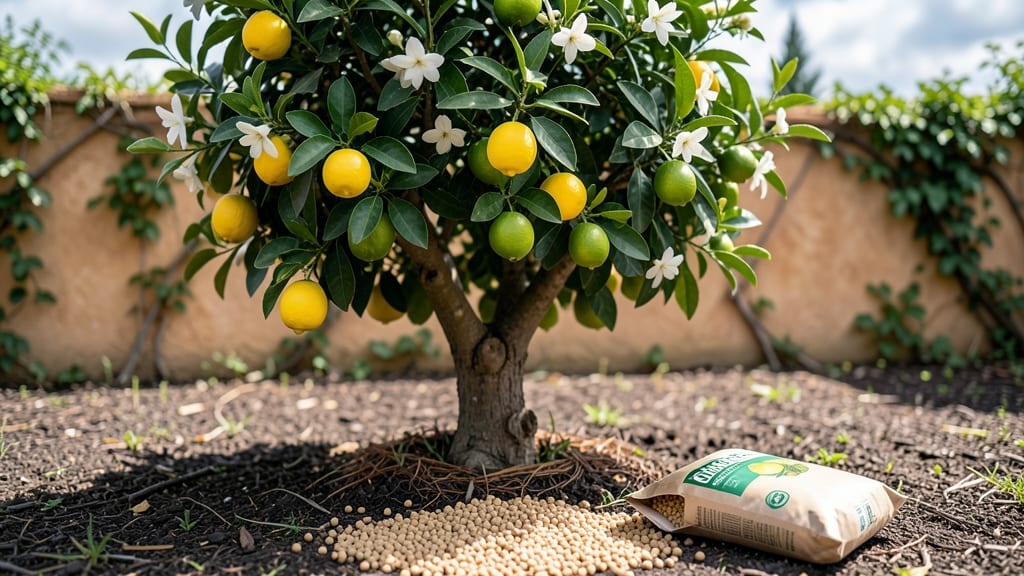
Fertilizing citrus trees in Zone 9 at the right times is the secret to bigger harvests and healthier 🍊 trees year after year.
You might assume feeding your citrus tree whenever it looks thirsty is the way to go—but timing is everything. Too early, and you stunt blooms; too late, and your fruit never ripens. The best schedule actually works with your tree’s natural cycles, not against them.
In Zone 9, where citrus thrives year-round, the key is feeding lightly in early spring to kickstart growth, then again in early summer to support fruit development. Skip fall and winter entirely—your tree’s dormant season is when it recharges, not when it needs extra nutrients.
Below, I break down the exact months to fertilize, the signs your tree is hungry (or overfed), and the best types of fertilizer for Zone 9’s warm climate—so you can enjoy sweeter oranges, juicier lemons, and fewer surprises at harvest time.
Best fertilization schedule for citrus trees in Zone 9 by season
Citrus trees in Zone 9 grow almost year-round, but their fertilization needs shift dramatically with the seasons. Unlike temperate climates, your lemon, orange, or grapefruit tree won’t experience true dormancy—just slower growth in cooler months.
Timing your fertilizer applications to match these natural cycles ensures blooming, fruit set, and vigor without waste or harm.
The key is feeding heavily when new growth begins (late winter) and tapering off as summer heat arrives. Over-fertilizing in summer can burn roots and attract pests like aphids, while skipping spring feedings delays flowering and reduces your harvest.
Let’s break down the month-by-month schedule tailored for Zone 9’s mild winters and long growing season.
⚠️ PRO TIP: Always water your tree deeply 24 hours before and after fertilizing to help nutrients absorb and prevent root burn. Use a moisture meter if your soil drains poorly—citrus trees hate soggy roots!
| Season | Best Fertilizer Type | Frequency | Key Goal | Amount (Per Tree) |
|---|---|---|---|---|
| Late Winter (Feb) | Citrus-specific (6-6-6 or 8-3-9) | Monthly | Stimulate spring blooms | 1/2 cup (young) / 1 cup (mature) |
| Early Spring (Mar-Apr) | Slow-release granules | Every 6 weeks | Support fruit development | 1 cup (young) / 2 cups (mature) |
| Summer (Jun-Jul) | Light organic (fish emulsion) | Once (early summer) | Maintain foliage health | 1/4 cup (diluted) |
| Fall (Sep-Oct) | None (dormancy prep) | Skip | Allow root recovery | — |
| Winter (Nov-Jan) | None (unless deficient) | Skip | Promote root growth | — |
Your citrus tree’s first feeding of the year should happen in late February when daytime temperatures consistently stay above 60°F. This kickstarts new leaf growth and sets the stage for spring blooms.
Use a balanced fertilizer (like 6-6-6) to avoid nitrogen overload, which can delay flowering. For dwarf varieties, halve the recommended amounts to prevent over-fertilization.
By April, switch to a slow-release formula to feed your tree steadily as it enters peak growth. This is when your tree needs the most nutrients to support fruit development. Apply fertilizer in the morning after watering to reduce the risk of root burn.
If you notice yellow leaves between veins, your tree may need more iron—try a chelated iron supplement in addition to regular fertilizer.
Summer in Zone 9 can be brutal, and your citrus tree’s needs change dramatically. June and July are critical months for fruit maturation, but heavy fertilization can stress the tree.
Instead of a full dose, opt for a light organic feed like fish emulsion (1/4 cup diluted) in early summer. This supports foliage health without overloading the roots. Avoid fertilizing in August as temperatures peak—your tree will be in a natural slowdown phase.
As temperatures drop in fall, your citrus tree enters a period of dormancy-like rest. This is the time to skip fertilization entirely. The tree is redirecting energy to root growth and storing nutrients for next year’s blooms.
Instead, focus on mulching with compost to improve soil structure and retain moisture. If you must fertilize in October, use a low-nitrogen
Signs your citrus tree needs fertilizer (and what to avoid)
Your citrus tree might be sending clear signals that it’s time for fertilizer—but many gardeners misread these cues. Yellowing leaves, especially on older branches, often mean nitrogen deficiency, while small, sparse fruit can signal phosphorus or potassium shortages.
Even stunted new growth in spring is a red flag that your tree’s roots aren’t getting the nutrients they need to thrive in Zone 9’s warm climate.
Before grabbing that fertilizer bag, though, check for overwatering or poor drainage, which can mimic nutrient deficiencies. Citrus trees in Zone 9 are particularly sensitive to salt buildup from over-fertilizing, which can burn roots and attract pests like aphids or scale insects.
The key is balancing feeding with your tree’s natural growth cycles—especially avoiding heavy fertilizing in late summer or fall.
- Fertilizing in winter (dormant season = no feeding needed)
- Using too much nitrogen (leads to leafy growth, not fruit)
- Skipping micronutrients (citrus needs zinc, iron, and magnesium)
- Applying near the trunk (burns roots—always spread fertilizer 6" away)
Over-fertilizing in Zone 9’s heat can stress roots and attract pests. Always water deeply after fertilizing to help nutrients reach roots.
Start by inspecting your tree’s leaves. Yellow between veins usually means nitrogen deficiency, while yellow with green veins often signals iron or manganese issues. For fruit-related problems, like small or misshapen citrus, your tree might need more phosphorus (P) to support flowering.
If you notice purple or reddish leaf undersides, it’s a sign of phosphorus deficiency—common in sandy soils typical of Zone 9.
Another critical sign is poor fruit set. If your citrus tree blooms heavily but drops flowers or produces tiny fruit, it’s likely lacking potassium (K) or calcium.
In Zone 9, where citrus grows year-round, this often happens when trees aren’t fed lightly in early summer to support fruit development. A quick soil test can confirm deficiencies before you overcorrect with fertilizer.
To avoid over-fertilizing, follow the 2-3 month rule: Feed young trees every 3 months (spring, summer, fall) and mature trees every 2 months (spring and early summer only).
Always use a balanced citrus fertilizer (like 6-6-6 or 8-3-9) and half the recommended dose if your tree is in a container or has compacted soil. Overfeeding in Zone 9’s heat can shock roots and even attract fungal diseases.
If you’re unsure whether to fertilize, check your tree’s growth rate. Healthy citrus trees in Zone 9 should grow 12-24 inches per year. If growth is slower than that, a light feeding in early spring (February-March) can help.
Just remember: less is more—citrus trees in warm climates often need fewer nutrients than those in cooler zones. 🍋