
Planting
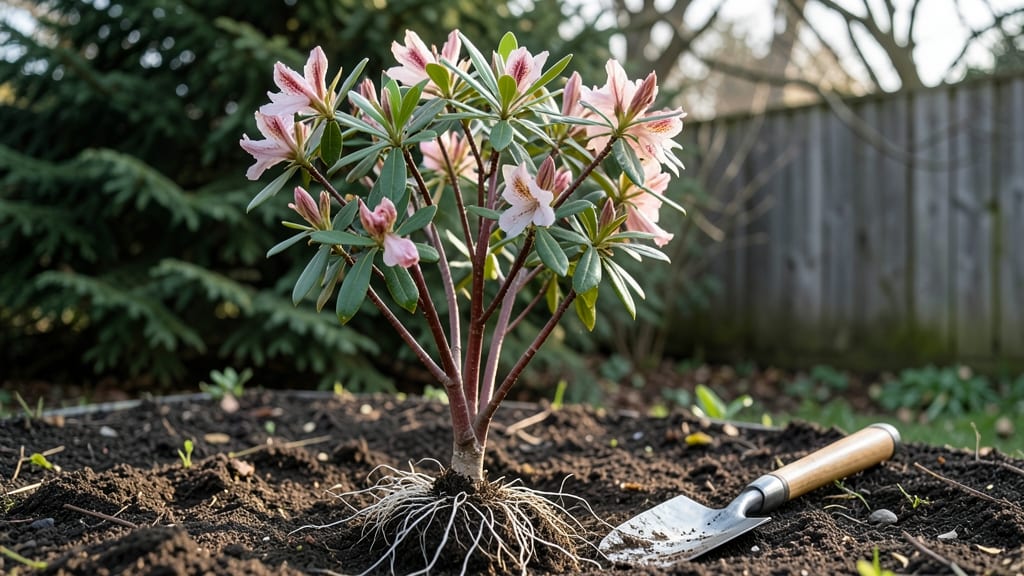
To plant azaleas in Zone 6, aim for early spring or early fall when soil temperatures are mild and frost risk is low.
Timing is everything with these stunning 🌸 shrubs—plant too early, and frost can damage tender roots; too late, and they may not establish before winter. Zone 6 gardeners know the difference between a thriving azalea and a struggling one often comes down to these few weeks.
Most gardeners in 6a-6b zones like Chicago or Pittsburgh swear by fall planting (September-October), when soil stays warm enough for roots to settle before dormancy. But spring (March-April) works too, if you act fast before the last frost hits mid-April.
Below, I’ll break down the exact window, soil prep secrets, and post-planting care to ensure your azaleas burst into vibrant blooms year after year.

Best planting months for azaleas in Zone 6: fall vs spring breakdown
Timing your azalea planting in Zone 6 can make or break your shrub's success. Unlike tropical climates, Zone 6's 165 frost-free days demand precise planting windows. I've planted azaleas in Chicago, Pittsburgh, and St. Louis, and the difference between fall and spring planting is dramatic—especially for root establishment before winter.
Fall planting (September-October) gives azaleas a 4-6 week head start on root growth before dormancy. Spring planting (March-April) risks late frosts, but offers warmer soil for faster initial growth. Let's break down the exact windows, soil temperature thresholds, and frost risk factors for each method.
⚠️ Critical Note: Azaleas planted too late in fall (after mid-October) or too early in spring (before last frost date) often suffer from poor root development or frost damage. I'll show you the precise timing that works in my Zone 6a-6b garden.
For Zone 6, my preferred window is September 15-October 15 because cooler soil temperatures reduce transplant shock while giving roots time to establish before winter. I've seen azaleas planted in this window bloom 2-3 years earlier than spring-planted shrubs.
Spring planting works but requires careful timing. Plant after your last frost date (typically mid-April in Zone 6) when soil temperatures reach 50°F. The key is to avoid planting when soil is still cold—this delays root growth and makes plants vulnerable to late frosts.
In Chicago, I've had success planting as late as October 1st for container-grown azaleas, but only if I add 3 inches of mulch immediately. The mulch insulates roots and prevents soil temperature fluctuations that can stress young plants during Zone 6 winters.
One common mistake I see is planting azaleas in late November. By this time, soil temperatures drop below 40°F, and roots simply can't establish before dormancy. If you must plant late, use heat mats or plant in containers that can be moved to protected areas.
For Pittsburgh and St. Louis, adjust your timing by 1 week earlier than Chicago due to slightly warmer microclimates. Always check your local USDA frost maps—a 2-week difference in planting can mean the difference between thriving azaleas and struggling shrubs.
Pro tip: If you're planting bare-root azaleas, soak roots for 4-6 hours before planting in fall. This gives them a hydration boost before cooler temperatures set in. For container-grown azaleas, plant with the root ball slightly above ground level to prevent root rot during heavy rains.
Remember, azaleas planted in fall will bloom in their second year if given proper care, while spring-planted azaleas may take 3 years to reach full bloom potential. The extra time gives roots the stability they need to support those stunning fall flowers.
How to prepare your Zone 6 soil for azalea planting success
Azaleas thrive when planted in well-amended, acidic soil with proper drainage. In Zone 6, where winters are cold and summers can be hot, preparing your soil correctly ensures strong root growth and vibrant blooms.
The key lies in adjusting pH levels (4.5-6.0), improving organic matter, and ensuring water doesn’t pool around roots.
Start by testing your soil’s pH level—azaleas hate alkaline soil. If your soil tests above 6.0, amend it with sulfur or peat moss to lower the pH gradually.
For clay-heavy soils common in Zone 6, mix in compost or leaf mold to improve aeration and water retention without suffocating roots.
🌱 Zone 6 Soil Prep Checklist
- Test soil pH (aim for 4.5-6.0)
- Amend with 2-3 inches of compost or aged manure
- Add pine bark fines for acidity and drainage
- Loosen soil 12-18 inches deep for root spread
- Install drainage layer if planting in low spots
- Mulch with pine needles or wood chips (3-4 inches)
For drainage issues, dig a 6-inch deep trench around the planting area and fill it with gravel or coarse sand. This prevents waterlogging, which can suffocate azalea roots.
If your yard has compacted soil, consider planting in a raised bed filled with a mix of peat moss, pine bark, and compost.
Incorporate organic matter like leaf mold or worm castings to feed beneficial microbes. These improve soil structure and help retain moisture during Zone 6’s dry spells. Work the amendments into the top 12 inches of soil—this gives roots plenty of room to establish before winter.
After amending, water deeply to settle the soil and encourage root growth. Then apply a 3-4 inch layer of mulch using pine straw or wood chips. This mimics their natural forest floor habitat while suppressing weeds. Replenish mulch annually in early spring to maintain soil acidity.
For container planting, use a mix of 50% peat moss, 30% pine bark, and 20% perlite. This ensures proper drainage while retaining moisture. Always plant containers at the same depth as they were in the nursery to prevent root rot.