
Plants
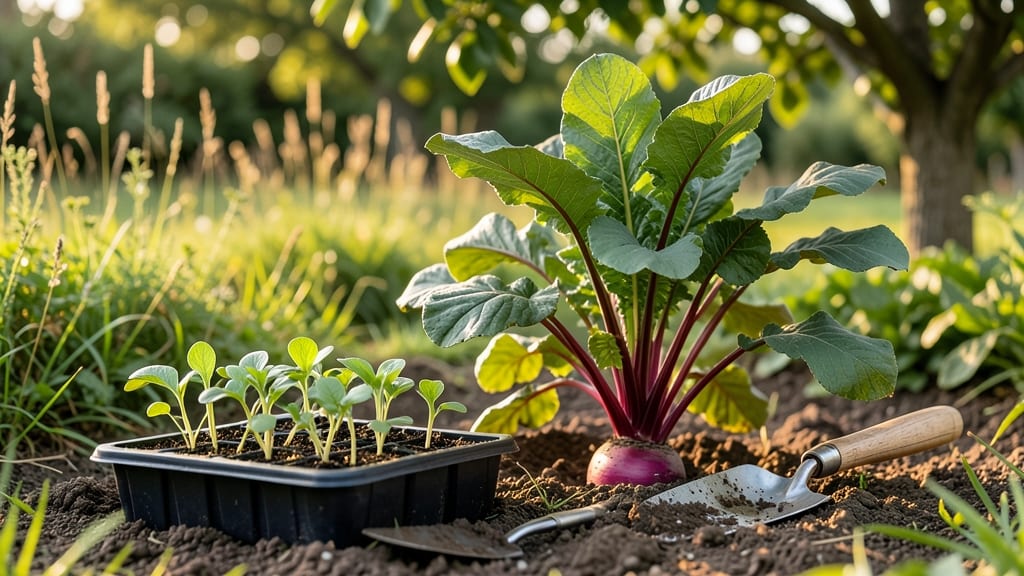
Planting beets in Zone 6 at the right time means the difference between a harvest of tender, sweet roots and tough, bitter ones you’ll regret.
Timing your beet harvest in Zone 6 can mean the difference between tender, sweet roots and tough, woody messes—so knowing the exact frost dates and soil conditions is non-negotiable.
Beets thrive when soil temperatures hit 45°F and stay warm, which in Zone 6 means aiming for early spring (March–May) or late summer (July–August) for a fall crop. Miss that window, and you risk bolting or stunted growth.
Here’s how to nail your planting schedule: when to start seeds, how to prep soil for success, and the best ways to extend your harvest with succession planting—so you’re eating homegrown beets from June through November.

Zone 6 beet planting calendar: frost dates and ideal window
Mastering the Zone 6 beet planting calendar starts with understanding your last spring frost and first fall frost dates—critical markers that determine your 60-70 day harvest window.
In Zone 6, these dates typically fall around mid-April for spring and mid-October for fall, but local microclimates can shift these by 1-2 weeks.
For example, if your last frost occurs on April 15, you’ll need to plant beets by March 15 to ensure a harvest before summer heat sets in.
Beets thrive in cool weather, making them perfect for both early spring and late summer plantings. Spring plantings should begin as soon as soil temperatures reach 45°F, while fall plantings can start as early as July to avoid bolting before frost.
The key is working backward from your first frost date—subtract 60-70 days to land on your ideal planting window. For instance, if frost hits October 15, your last fall planting should be by August 15.
Here’s the summary table breaking down your Zone 6 beet planting timeline, including frost dates, planting windows, and harvest expectations:
For spring plantings, I recommend starting seeds indoors 4-6 weeks before your last frost date to get a jump on the season. Harden off seedlings for 7-10 days before transplanting, and choose cold-tolerant varieties like 'Detroit Dark Red' or 'Golden' for early harvests.
These varieties handle cooler soil temperatures better than heat-sensitive types.
When planning fall plantings, prioritize bolting-resistant varieties like 'Chioggia' or 'Babybeat', which mature faster and tolerate slight heat better. Plant in partial shade during peak summer to prevent premature bolting, and use drip irrigation to keep soil evenly moist without overheating the plants.
A light mulch of straw also helps regulate soil temperature and retain moisture.
Pro tip: Use a soil thermometer to confirm soil temperatures before planting—beets won’t germinate well below 45°F. If your soil is still too cold in early spring, opt for slow-bolting varieties or wait until soil warms to 50°F for faster germination.
This small adjustment can save you from weeks of waiting for sprouts to appear.
Don’t overlook succession planting to maximize your harvest. In Zone 6, you can squeeze in 2-3 plantings per season by spacing them 2-3 weeks apart. For example, plant your first batch in early March, then follow up with mid-March and late March sowings.
This ensures a steady supply of beets from late May through October, even if your growing season is short.
If you’re unsure about your local frost dates, check resources like the National Weather Service or your local cooperative extension office for historical data. Many gardeners in Zone 6 also use row covers or cold frames to extend the season by 2-4 weeks in both spring and fall.
These tools can push your last fall harvest into early November or even later, depending on your microclimate.
Finally, remember that beet greens are edible and can be harvested 2-3 weeks before the roots are ready. This gives you an early harvest of nutrient-rich greens while you wait for the roots to mature.
Thin seedlings carefully to avoid disturbing the remaining plants, and use the thinnings in salads or sautés for zero waste.
Soil temperature and prep checklist for beet success in Zone 6
Beets thrive when planted in warm but not scorching soil—aim for 50-60°F for germination. In Zone 6, this typically means waiting until mid-April to early May for spring plantings, or late July to early August for fall harvests.
Cold soil slows germination and can lead to poor root development, while soil that's too hot causes seeds to bolt prematurely.
Zone 6 gardeners often struggle with clay-heavy soil, which can cause cracked roots and stunted growth. Beets need well-draining, loose soil with a pH between 6.0-7.0. If your soil is compacted, amending it with compost or aged manure 4-6 weeks before planting will work wonders.
I always test my soil first—it’s the best way to avoid surprises!
⚠️ Zone 6 Beet Planting Warning
Planting beets in Zone 6’s unpredictable spring weather is risky—soil temperature swings can cause uneven germination. Never plant before your last frost date (typically mid-April), or you’ll risk frost damage to young seedlings. For fall plantings, wait until soil cools to 60-65°F—too warm, and beets bolt; too cool, and they rot.
Pro Tip: Use a soil thermometer to check depth (1 inch down). If it’s below 50°F, wait another week.
To prepare your clay-heavy Zone 6 soil, start by removing weeds and loosening the top 6-8 inches with a broadfork. Mix in 2-3 inches of compost or well-rotted manure to improve drainage and fertility.
For extra insurance, add a thin layer of sand (like coarse horticultural sand) to break up clay particles. I swear by this method—my beets grow twice as fast in amended soil!
Once your soil is prepped, create shallow furrows (½ inch deep) and plant seeds 1-2 inches apart. Thin seedlings to 3-4 inches apart when they’re 2 inches tall—this prevents competition and ensures plump, tender roots.
Mulch with straw or grass clippings to retain moisture and keep soil temperatures stable. Consistency is key with beets!
Avoid these common Zone 6 pitfalls: Overwatering (leads to rotten roots), planting too deep (causes stunted growth), and ignoring succession planting. For fall harvests, start a second crop in late July to beat the first frost.
I’ve had success with ‘Detroit Dark Red’ and ‘Golden Beet’ varieties—they handle Zone 6’s climate better than others.
Finally, monitor your beets for bolting (flowering too early), which happens when days get too long or hot. If you see flower stalks, harvest immediately or the roots turn woody and bitter.
With the right soil prep, you’ll enjoy sweet, crisp beets from spring through fall—no tough roots in sight!