
Plants
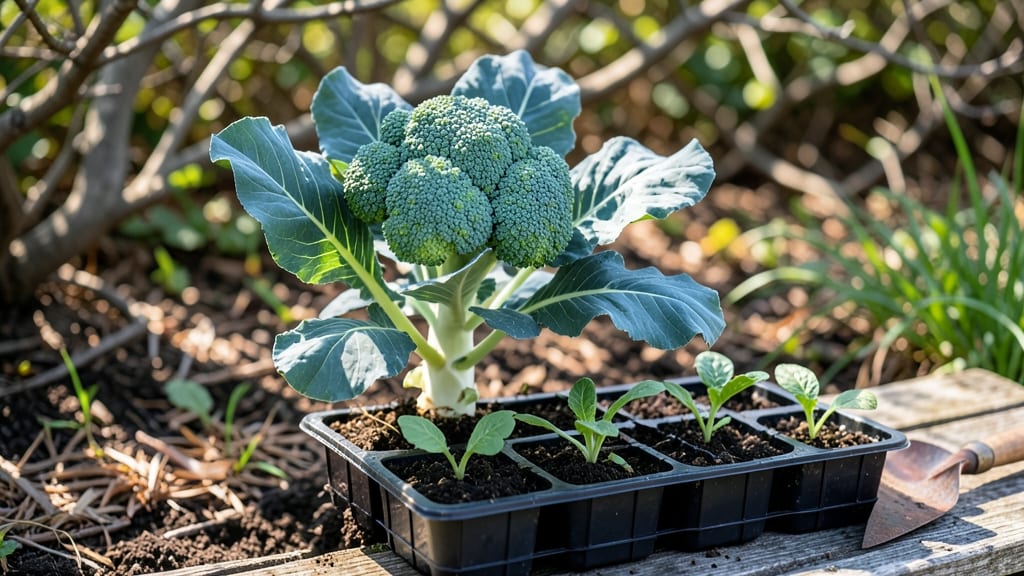
Plant broccoli in Zone 9 between late summer and early spring to avoid the brutal heat that wilts 🥦 heads before they form.
Growing broccoli in Zone 9’s warm climate can be tricky—plant too early or late, and you’ll miss the sweet spot for lush heads and vibrant greens. But timing it right ensures a thriving harvest even in Southern California’s heat.
Most gardeners in Zone 9 (like Southern California, Arizona, or Nevada desert regions) focus on fall plantings for winter harvests, but spring can work too—if you start seeds indoors by February. The key is keeping soil temps cool and avoiding summer’s scorching sun.
Below, I’ll break down the exact months to plant, how to prep soil for cooler weather, and smart tricks like shade cloth to stretch your growing season. Ready to grow your best broccoli yet?

Best planting months for broccoli in Zone 9: avoiding heat stress
Broccoli thrives in cooler temperatures, but Zone 9’s warm climate makes timing critical. Planting too early in summer exposes plants to heat stress (above 85°F), while late planting risks stunted growth before winter.
The ideal window is late summer through early spring, targeting fall/winter harvests when temperatures stay mild.
In my Zone 9b garden, I’ve found that August and September are the sweet spots for starting broccoli—either direct-sown or as transplants. This gives plants 6-8 weeks to establish roots before cooler weather arrives. For spring harvests, aim for February plantings, though success depends on your microclimate.
Heat tolerance is broccoli’s Achilles’ heel. When daytime temps exceed 80°F, plants bolt (send up flower stalks) or develop bitter, tough heads. Evenings below 65°F are ideal for head formation. In inland areas like Riverside, afternoon shade is a must during summer months.
To maximize harvests, I use succession planting—staggering seeds every 2-3 weeks from August through October. This ensures a continuous supply of fresh broccoli through winter and into early spring. Varieties like 'De Cicco' (dwarf) and 'Waltham 29' (standard) handle Zone 9’s climate better than others.
For coastal Zone 9 (e.g., San Diego), you can push spring plantings into April thanks to cooler ocean breezes. Inland areas like Phoenix should stop by March to avoid April heatwaves. I’ve even had success with shade cloth (30-50% block) during late spring to protect seedlings.
Soil prep is just as critical as timing. Amend beds with 2-3 inches of compost and ensure well-draining soil to prevent rot. A pH of 6.0-7.0 is ideal—test your soil before planting. In my garden, I add a slow-release fertilizer at planting and side-dress with fish emulsion when heads form.
To extend the season, I use row covers in winter to protect from unexpected cold snaps (below 40°F). For summer plantings, drip irrigation keeps roots cool and consistent.
Even with these tricks, broccoli in Zone 9 is a patience game—but the reward of crisp, homegrown heads in winter is worth it.
Pro tip: Save seeds from your healthiest heads for next year’s succession plantings. Over time, you’ll develop varieties that thrive in your specific microclimate. Just remember: timing is everything in Zone 9’s broccoli game! 🥦
How to time broccoli planting for Zone 9’s microclimates: coastal vs. inland
Zone 9’s diverse microclimates create big differences in broccoli planting success. Coastal areas like San Diego enjoy milder winters and cooler summers, while inland spots like Riverside face hotter days and cooler nights. These variations mean your planting schedule should shift based on location—even within the same region.
Coastal gardeners can start broccoli as early as late August for fall harvests, while inland gardeners should wait until September to avoid summer heat stress. The key difference? Soil temperature and daytime highs—coastal areas stay cooler longer, giving broccoli more growing time before winter.
| Factor | Coastal (San Diego) | Inland (Riverside) |
|---|---|---|
| Ideal Planting Window | Late August - September | September - October |
| Soil Temp Threshold | 60-65°F (15-18°C) | 55-60°F (13-15°C) |
| Daytime Highs | 75-80°F (24-27°C) | 85-90°F (29-32°C) |
| Frost Risk | None (mild winters) | Possible in high deserts |
| Harvest Window | October - March | November - February |
For coastal gardeners, soil temperatures between 60-65°F are ideal for seed germination. Inland areas need cooler soils (55-60°F) to prevent bolting—the process where broccoli flowers prematurely due to heat. Use a soil thermometer to check before planting, especially in inland zones.
Another critical difference is daytime highs. Coastal broccoli thrives in 75-80°F days, while inland plants struggle above 85°F. If you’re in Riverside, opt for heat-tolerant varieties like 'De Cicco' or 'Waltham 29' and plant in partial shade during peak afternoon sun.
Inland gardeners should also plan for cooler nights, which can cause temperature swings. Use row covers or mulch to stabilize soil temps. Coastal areas benefit from succession planting—sow seeds every 2-3 weeks from August to October for continuous harvests.
No matter your location, avoid planting broccoli during summer months (June-August). The heat will stress plants, leading to poor growth or bitter flavors. Instead, focus on fall and winter plantings for the best results in Zone 9’s challenging climate. 🌱