
Plants
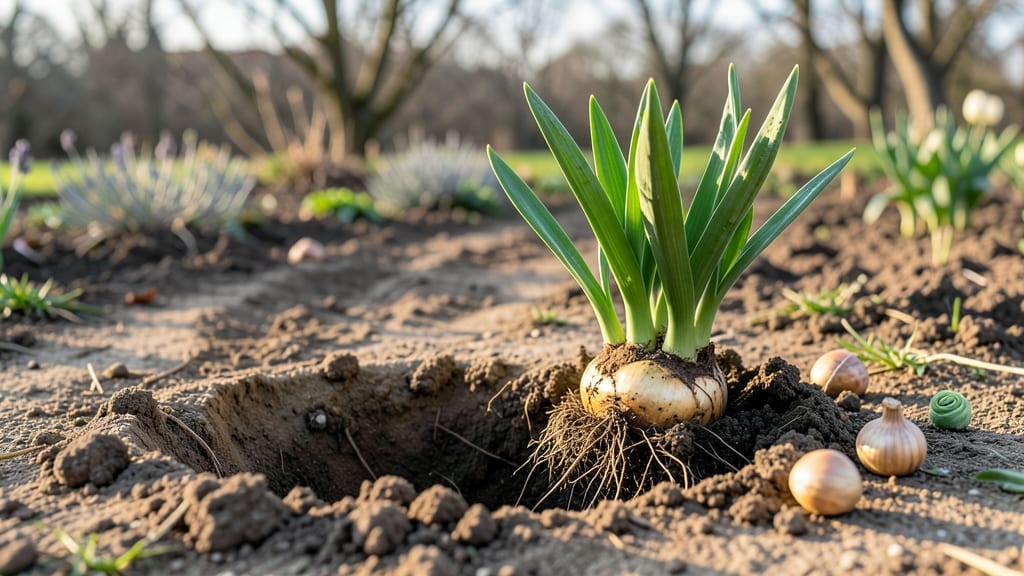
Planting bulbs in Zone 8 at the right time means the difference between a garden bursting with color and one that never blooms 🌱.
Zone 8 gardeners know timing is everything—plant bulbs too early, and they’ll rot; too late, and they’ll miss their bloom window. Mastering the exact planting schedule transforms your garden from hit-or-miss to consistently stunning.
Fall is the golden window for most bulbs, but spring planting works too if you adjust for your microclimate. Coastal areas might push planting a week later than inland spots, while early-blooming tulips need deeper soil prep than hardy daffodils.
Inside, I’ll break down the exact months to plant for spring and fall blooms, soil prep secrets, and how to tweak timing for your specific Zone 8 conditions—so you never miss a bloom again.

Zone 8 bulb planting calendar: exact months for spring and fall success
Mastering the Zone 8 bulb planting schedule means understanding your sub-zone (8a vs. 8b) and adjusting for local microclimates. In colder Zone 8a areas, aim for October 15–November 15 for fall planting, while warmer Zone 8b gardens can extend until December 1.
Spring planting starts February 15–March 15, but never after April 1 to avoid summer heat stress.
Your last frost date (typically December 15–January 10 in Zone 8) is the anchor for timing. Plant bulbs 6–8 weeks before frost to let roots establish before winter. In spring, wait until soil temps hit 50°F (10°C)—usually mid-February in inland areas and late February near coasts.
Soil temperature is critical: 60°F (15°C) is ideal for spring planting. Use a soil thermometer to avoid planting too early when soils are still cold. In Zone 8a, prioritize hardy bulbs like daffodils and tulips; in Zone 8b, extend your list to hyacinths and crocuses for year-round color.
| Season | Zone 8a Planting Window | Zone 8b Planting Window | Soil Temp | Key Bulbs |
|---|---|---|---|---|
| Fall | Oct 15–Nov 15 | Oct 1–Dec 1 | 50–60°F (10–15°C) | Tulips, Daffodils, Hyacinths |
| Spring | Feb 15–Mar 15 | Feb 1–Mar 31 | 50–60°F (10–15°C) | Crocuses, Alliums, Snowdrops |
| Late Spring | Avoid (heat risk) | Apr 1–May 1 (shade only) | 60–70°F (15–21°C) | Lilies, Fritillaries |
For coastal Zone 8 gardens, push fall planting to November 1—cooler ocean breezes delay frost. Inland areas should plant by October 31 to avoid winter rains. Always plant bulbs 3x as deep as their height (e.g., 6-inch bulbs go 18 inches deep) for stability and disease prevention.
After planting, mulch with 2–3 inches of organic matter (straw or shredded leaves) to insulate roots. In Zone 8a, remove mulch in late winter to prevent rot; in Zone 8b, leave it until March to protect from erratic temperature swings.
Water deeply once a week after planting to encourage root growth.
Spring-blooming bulbs like tulips need 12–16 weeks of cold to flower, so fall planting is non-negotiable for reliable blooms. If you miss the fall window, spring planting works for tender bulbs (e.g., gladiolus) but skip hardy perennials like daffodils—they’ll bolt to seed instead of blooming.
Use local frost maps (like the USDA Plant Hardiness Zone Map) to fine-tune your schedule. For example, San Diego (Zone 8b) can plant hyacinths in December, while Austin (Zone 8a) should stop by November 15.
Adjust for elevations over 2,000 feet, which may experience earlier frosts.
Pro tip: Plant early-blooming bulbs (like crocuses) in September for winter color, then add tulips in October and daffodils in November for a staggered spring display. This technique ensures continuous blooms from February to May.
Monitor your garden’s microclimates: South-facing beds warm faster in spring, while north-facing areas stay cooler. Plant heat-sensitive bulbs (e.g., tulips) in shaded spots if your Zone 8b summers exceed 90°F (32°C). Always test soil
How to adjust planting times for Zone 8’s microclimates and bulb types
Zone 8’s diverse climates—from coastal San Diego to inland Phoenix—create unique challenges for bulb planting. Coastal areas stay milder year-round, while inland zones experience hotter summers and cooler winters.
These differences mean your tulip timing in Los Angeles won’t match San Antonio’s schedule. Understanding these microclimates lets you fine-tune planting for perfect blooms every season.
Not all bulbs thrive under Zone 8’s varied conditions. Tender bulbs like hyacinths need early fall planting to establish roots before heat spikes, while hardy daffodils can wait until late fall. Early bloomers like crocuses must go in by October, but late bloomers like alliums can handle November plantings.
Adjusting your schedule based on bulb type ensures your garden bursts with color at the right time.
🌱 Zone 8 Bulb Planting Adjustments
- 1 Coastal Areas: Plant tender bulbs (e.g., hyacinths) in late October to avoid winter rains.
- 2 Inland Zones: Shift fall planting to early November for hardier bulbs (e.g., daffodils) to escape summer heat.
- 3 Early Bloomers: Tulips and crocuses need 6-8 weeks of chill; plant by mid-October.
- 4 Late Bloomers: Alliums and fritillaries tolerate November planting; their roots establish slower.
- 5 Spring Planting: Tender bulbs (e.g., gladiolus) go in February after last frost; hardy bulbs wait until March.
For coastal Zone 8 gardeners, the key is avoiding winter rains that can rot bulbs. In San Diego or Santa Barbara, plant tender bulbs like hyacinths in late October—just as soil cools but before December rains begin.
Use well-draining soil and add a 2-inch mulch to protect roots. Inland areas like Austin or Tucson face hotter summers, so delay planting until early November to let bulbs establish before heat stress sets in.
Bulb types respond differently to Zone 8’s extremes. Tulips, classified as early bloomers, need 6-8 weeks of chill time (below 40°F).
Plant them by mid-October to ensure they bloom in March before summer heat arrives. Daffodils, late bloomers, handle November planting and often rebloom in late spring.
Meanwhile, hyacinths, sensitive to heat stress, must go in by late October in coastal zones or risk poor flowering.
Spring planting in Zone 8 offers a second chance for tender bulbs like gladiolus or canna lilies.
These varieties can’t survive winter, so plant them in February after the last frost date (typically January 10 in most of Zone 8). Hardy bulbs like alliums or fritillaries can wait until March, giving them time to establish before summer’s intensity.
Always check your local last-frost date—even within Zone 8, San Francisco frosts later than Phoenix.
Pro tip: Use a soil thermometer to confirm 60°F soil before planting in spring. For fall, aim for 60-70°F soil temps—cooler than ideal, but not freezing. Adjust mulch depth based on your microclimate: 3 inches in inland zones, 2 inches in coastal areas where moisture retention is less critical.
With these tweaks, your Zone 8 bulb garden will thrive year after year.