
Plants
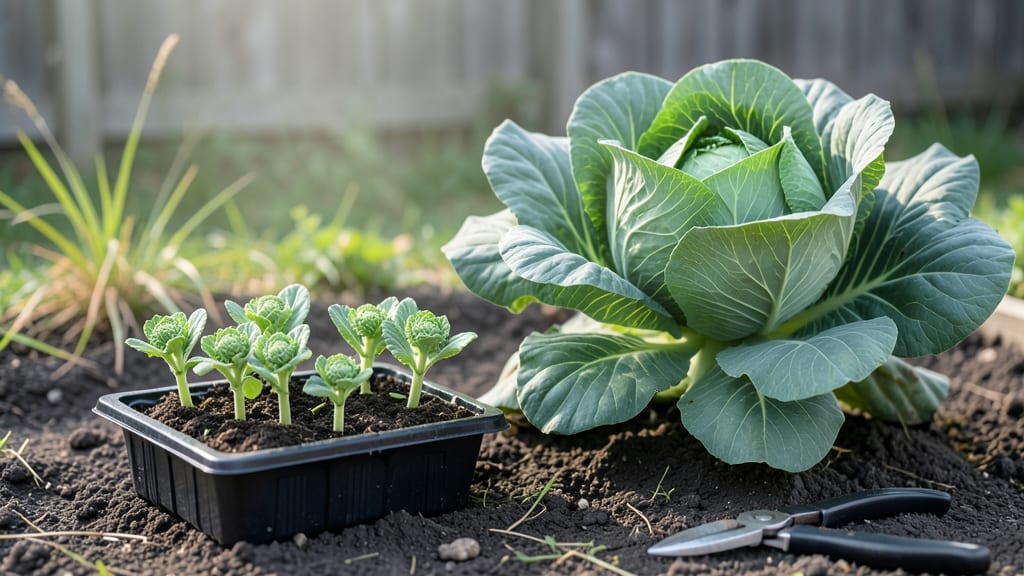
Planting cabbage in Zone 5 at the right time means the difference between crisp, flavorful heads and bitter, bolted greens.
Cabbage thrives in cool weather, but planting too early or late in Zone 5 can mean bolted greens or stunted heads—so timing is everything for two bountiful harvests.
If you’ve ever watched your 🥬 seedlings wilt under a late frost or seen your cabbage bolt before forming a head, you know how critical the calendar is.
Zone 5’s short growing season demands precision: too soon, and frost will kill tender plants; too late, and summer heat sends them into early flowering.
In this guide, I’ll walk you through the exact frost-free windows for spring and fall plantings, soil temperature secrets, and how to stagger your crops for harvests from June through October—no guesswork, just reliable results.

Zone 5 cabbage planting calendar: exact dates for spring and fall success
Cabbage loves cool weather but hates heat—so in Zone 5, timing your plantings between spring and fall is the secret to crisp, healthy heads.
The last frost date (around mid-May) and first frost date (around mid-October) bookend your growing window, but soil temperature and regional microclimates can shift those dates by weeks.
For two successful harvests, you’ll plant once in early spring (March-April) and again in late summer (July-August). The key? Start seeds indoors 6-8 weeks before transplanting or choose fast-maturing varieties for shorter seasons. Soil temperature must stay above 45°F for seedlings to thrive.
Here’s your Zone 5 cabbage planting calendar with exact dates, soil requirements, and regional adjustments to maximize your harvest:
Adjust these dates based on your specific location in Zone 5. Northern areas (like Zone 5a) may need to plant 2 weeks later, while southern areas (like Zone 5b) can start 2 weeks earlier.
Check your local frost dates for precision—websites like the Old Farmer’s Almanac provide county-specific data.
For spring plantings, aim to harvest by late June before summer heat sets in. In fall, prioritize varieties that mature in 60-70 days to beat the first frost. Soil prep is critical: amend with compost to raise pH to 6.5-7.0 and ensure well-draining soil to prevent rot.
Pro tip: Use black plastic mulch in summer to keep roots cool and straw mulch in fall to insulate plants. Both tricks extend your growing window by 2-3 weeks on either end. Monitor soil moisture—cabbage needs 1-2 inches of water weekly, but avoid overhead watering to prevent disease.
If you’re in a microclimate (like a sheltered valley or urban heat island), push your spring planting 1 week earlier or your fall planting 1 week later. Observe nearby gardens or ask local gardeners—their success is your guide.
With these dates and adjustments, you’ll enjoy two full harvests of sweet, crisp cabbage in Zone 5.
Remember: Bolt-resistant varieties like ‘Red Express’ or ‘Golden Ball’ are your best bet for summer plantings, while ‘Savoy’ types handle cooler fall temperatures better. Start small—plant 3-4 varieties to test what thrives in your garden.
🥬
How to stagger cabbage plantings for two harvests in Zone 5
Staggering your cabbage plantings in Zone 5 is the secret to enjoying fresh heads from early summer through late fall. By spacing out your plantings every 4-6 weeks, you create a continuous harvest window while avoiding the pitfalls of heat stress or early frost.
This method works especially well when pairing early-maturing varieties with late-season types—think 'Golden Acre' (55 days) alongside 'January King' (120 days).
The key to success lies in understanding your last frost date (typically mid-May in Zone 5) and working backward from your first frost date (usually mid-October). With about 150 frost-free days in this zone, you can fit two full harvest cycles if you plan carefully.
Start your first planting in early April for a June harvest, then follow with a second planting in early July for a September-October harvest.
🌱 Step-by-Step Staggered Planting Guide for Zone 5
- Step 1: Start your first batch indoors 6-8 weeks before your last frost date (around February 20 for Zone 5). Use seed trays with well-draining soil and keep them under grow lights for 12-14 hours/day.
- Step 2: Transplant seedlings outdoors 2-3 weeks before your last frost date (around April 15), when soil temps reach 45°F. Space them 18-24 inches apart in rows 30 inches apart for proper airflow.
- Step 3: Begin your second planting 4-6 weeks after the first (around May 15). Choose a heat-tolerant variety like 'Crimson Love' (70 days) to handle summer heat better. Sow directly in the garden or transplant hardened-off seedlings.
- Step 4: For a third planting (optional), sow seeds late July for a fall harvest. Use shade cloth if temps exceed 80°F to prevent bolting. Space plants 12-18 inches apart to allow for smaller heads.
- Step 5: Mulch all plantings with 2-3 inches of straw to retain moisture and regulate soil temperature. Water deeply every 3-5 days, aiming for 1-2 inches per week, and avoid wetting the leaves to prevent disease.
- Step 6: Harvest heads when they reach 4-8 inches in diameter and feel firm when squeezed. For savoy cabbage, harvest before heads split open. Use a sharp knife to cut stems, leaving 1 inch of stem attached to encourage regrowth if needed.
When staggering plantings, it’s crucial to match your variety choices to the season. For spring plantings, opt for early-maturing types like 'Early Jersey Wakefield' (55 days) or 'Golden Ball' (60 days). These handle cool soil temps well and won’t bolt prematurely.
In contrast, your fall plantings should feature late-season varieties such as 'Late Flat Dutch' (90 days) or 'Red Express' (85 days), which can tolerate cooler temps and shorter days.
One common mistake I see is planting all cabbage varieties at once, leading to a glut of harvests followed by a lull. By staggering, you’ll have continuous fresh heads without overwhelming your kitchen.
For example, my first June harvest from the April planting gives me time to enjoy fermented cabbage or coleslaw, while the September-October harvest from the July planting keeps me stocked for winter storage or braising.
Pro tip: Use row covers in early spring or late fall to extend your growing season by 2-3 weeks on either end.
Don’t forget to rotate your planting locations each year to prevent soil-borne diseases like clubroot or black rot. Cabbage is a heavy feeder, so amend your soil with compost or well-rotted manure before planting.
A soil test will help you adjust pH levels (aim for 6.0-7.0two full harvests and maybe even a bonus third if conditions are ideal!