
Plants
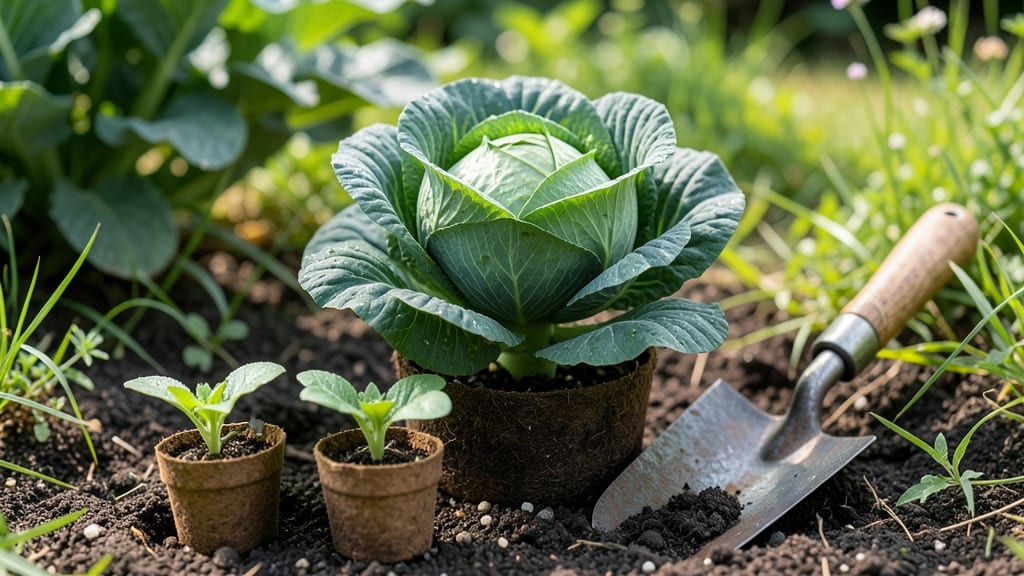
Planting cabbage in Zone 7 at the right time means the difference between crisp, sweet heads and bitter, stunted greens — and the window is narrower than you think.
This cool-weather crop 🥬 bolts in heat, so timing is everything. Miss it by even a few weeks, and you’ll end up with tough leaves instead of the harvest you’re after. But get it right, and you’ll enjoy fresh heads from late spring through fall.
In Zone 7, the best months to plant are early spring (March–April) and late summer (August–early September). Spring cabbage thrives before summer’s heat arrives, while fall plantings mature just before the first frost.
Below, I break down the exact schedule for both seasons, including when to start seeds indoors, how to space plants for maximum yield, and how to adjust for unpredictable Zone 7 weather.

Zone 7 cabbage planting timeline: month-by-month breakdown for spring and fall harvests
Cabbage is a cool-season crop that bolts—sends up flowers and bitter leaves—when temperatures rise above 75°F (24°C). In Zone 7, timing is everything to avoid this fate. The key is planting early spring or late summer crops to align with 60-100 day maturity windows before summer heat arrives.
My Zone 7 garden produces the sweetest cabbage when I follow this precise schedule.
For spring harvests, start seeds indoors 6-8 weeks before your last frost (typically mid-March in Zone 7). Transplant seedlings outdoors 2-3 weeks before the last frost—usually late March to early April—when soil temperatures reach 45°F (7°C).
This ensures heads form before summer heat stress sets in. Fall crops require a different approach to avoid bolting.
Here’s the exact month-by-month breakdown for both spring and fall planting in Zone 7:
| Season | Planting Window | Seed Starting (Indoors) | Transplant Outdoors | Harvest Window | Notes |
|---|---|---|---|---|---|
| Spring | Late March - Early April | Mid-January - Mid-February | 2-3 weeks before last frost | May - Early June | Use shade cloth if temps exceed 80°F (27°C) |
| Spring (Succession) | Early April - Mid-May | Direct sow or transplant | After last frost, every 2 weeks | June - July | Choose fast-maturing varieties (60 days) |
| Fall | Mid-August - Early September | Late July - Early August | 8-10 weeks before first frost | October - November | Avoid planting too late; heads need time to mature |
| Fall (Succession) | Late August - Early September | Direct sow or transplant | Every 3 weeks until Sept 15 | October - November | Use row covers for frost protection |
For spring planting, I always start seeds indoors in mid-January to give them a head start. By late March, my seedlings are ready to transplant into the garden, where they’ll mature just as summer heat arrives.
This timing ensures I harvest sweet, crisp heads in May and June before the real heat sets in. The key is choosing fast-maturing varieties like ‘Golden Acre’ (60 days) or ‘Red Express’ (65 days) for these early plantings.
Fall cabbage requires careful timing too. I begin seeds indoors in late July for transplants in mid-August. This schedule guarantees heads mature before the first frost in mid-November.
For succession planting, I make a final transplant in early September—just 8 weeks before frost—to squeeze in one last harvest. This works because Zone 7’s 190 frost-free days allow for two full harvest windows.
One mistake I made early on was planting cabbage too late in spring. When I transplanted in May, the heat caused my plants to bolt within weeks. Now, I strictly follow the March-April window for spring crops and August-September for fall.
Using shade cloth (30-50%) during heatwaves has also saved my summer plantings from bolting. This simple tool buys me an extra 2-3 weeks of growing time before I need to harvest or remove the crop.
Soil preparation is just as critical as timing. I always amend my garden beds with 2-3 inches of compost and a balanced fertilizer (10-10-10) before planting. Cabbage thrives in well-draining soil with a pH of 6.5-6.8.
I also mulch heavily with straw to retain moisture and suppress weeds. This combination of rich soil and consistent moisture gives my cabbage the best chance to form tight, flavorful heads.
If you’re new to growing
How to adjust cabbage planting for extreme Zone 7 weather conditions
Zone 7 gardeners face unique challenges when growing cabbage, from unpredictable late frosts to scorching summer heatwaves. These extremes can turn your perfect harvest into a bitter disappointment. The key is adjusting your planting strategy to protect your plants while maximizing their potential.
First, understand that cabbage thrives in cooler temperatures between 60-75°F. When Zone 7 hits 85°F or higher, your cabbage may bolt (flower prematurely) or develop hot, bitter leaves.
Similarly, a late frost after transplanting can stunt growth or kill young plants entirely. Here’s how to beat these challenges.
🌡️ Critical Warning: Avoid Summer Planting!
Planting cabbage in June or July in Zone 7 guarantees bolting or poor flavor. The ideal window is March-April (spring) or August-September (fall). If you miss these, opt for heat-tolerant varieties like 'Golden Acre' and use shade cloth.
For late frost protection, use row covers or cold frames until soil warms to 45°F. Transplant seedlings after your last frost date (typically March 15 in Zone 7) and choose fast-maturing varieties (60-70 days) to harvest before summer heat sets in.
When heatwaves strike, provide 30-50% shade cloth to keep soil temps below 80°F. Water deeply in the early morning to prevent stress, and mulch with 2-3 inches of straw to retain moisture. Avoid overhead watering during heat—it promotes disease.
Drought is another Zone 7 threat. Mulch heavily with grass clippings or wood chips to lock in moisture, and consider drip irrigation for consistent watering. If your cabbage bolts due to heat stress, harvest the outer leaves first—they’ll still be edible!
Finally, succession plant every 2-3 weeks in spring and fall to ensure a continuous harvest. This spreads out your risk if one batch fails due to extreme weather. With these adjustments, you’ll turn Zone 7’s challenges into abundant, sweet cabbage all season long.