
Plants
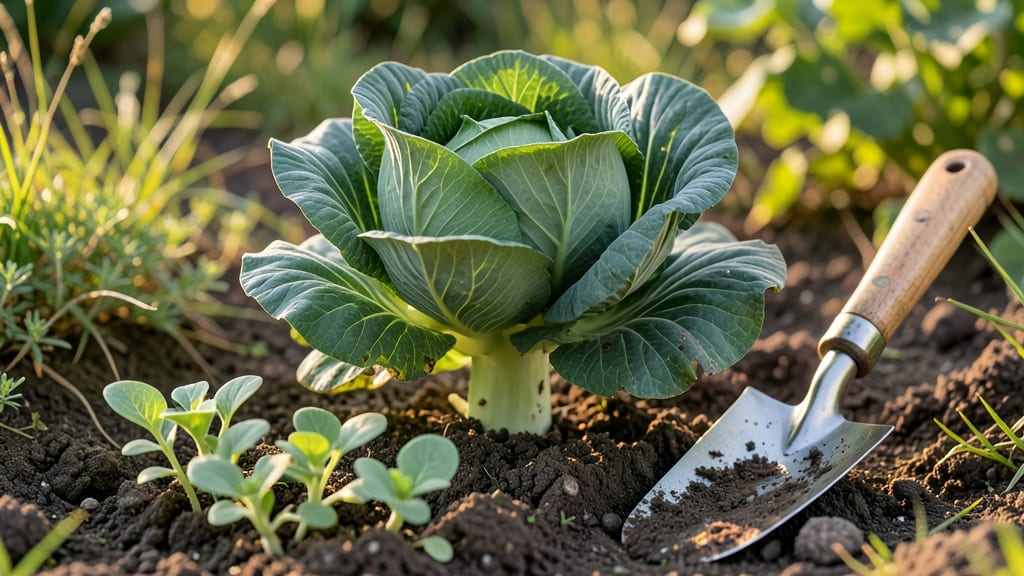
Planting cabbage in Zone 8 about 4-6 weeks before your last frost date is the key to avoiding bolting and maximizing your harvest—most years, that means late February or early March.
Picture this: you’ve spent weeks nurturing seedlings, only to watch them bolt into flowers under Zone 8’s warming spring sun. That’s why timing matters more than soil prep or watering routines.
A few weeks too early, and your plants race toward seed before you get a head; too late, and the heat stresses them before they mature.
Zone 8’s mild winters and long summers give you two planting windows: a spring crop for summer harvests and a late-summer sowing for fall yields. But the real secret lies in matching your variety to the season—fast-maturing types for summer’s heat, heat-tolerant varieties for fall’s lingering warmth.
Below, I’ll walk you through the exact weeks to plant, how to adjust for Zone 8’s microclimates, and the 3 varieties that thrive here—no guesswork, just a reliable harvest from seed to table.

Zone 8 cabbage planting timeline: weeks before last frost for success
Cabbage thrives in cool temperatures but struggles when Zone 8’s heat arrives too early. The key to success is planting at the right weeks before last frost, typically between 4-6 weeks for spring crops and 10-12 weeks before your first frost for fall harvests.
In Zone 8, where winters are mild, timing is everything to avoid bolting or pest pressure.
For spring planting, aim to sow seeds or transplant seedlings 4-6 weeks before your last frost date (usually around February 15–March 1 in most of Zone 8). This gives young plants time to establish roots before warmer weather arrives.
Fall planting, however, requires a different approach—start 10-12 weeks before your first frost (around July 15–August 1) to ensure a harvest before cold sets in.
| Planting Window | Weeks Before Frost | Soil Temp (°F) | Transplant Tip |
|---|---|---|---|
| Spring Planting | 4-6 weeks | 45-55°F | Hardening-off seedlings for 7-10 days |
| Fall Planting | 10-12 weeks | 50-60°F | Use shade cloth if temps exceed 80°F |
| Direct Sowing | 6-8 weeks | 50-65°F | Thin seedlings to 12-18" apart |
Soil temperature is critical for germination and transplant success. For spring cabbage, soil should be between 45-55°F—too warm, and seeds may bolt prematurely. In fall, wait until soil cools to 50-60°F to prevent stress. Use a soil thermometer to monitor conditions, especially in Zone 8’s unpredictable microclimates.
Transplanting is another critical step. Start seedlings indoors 6-8 weeks before your last frost (around January 15 for Zone 8) using grow lights or a sunny windowsill. Harden off seedlings for 7-10 days before transplanting to acclimate them to outdoor conditions.
For direct sowing, plant seeds half an inch deep and keep soil moist until germination, which typically takes 4-10 days.
Zone 8 gardeners often face challenges like heat stress or pest outbreaks if planting too late. To mitigate this, consider succession planting every 2-3 weeks in spring and fall.
This ensures a steady harvest while avoiding gaps in your garden’s productivity. For fall crops, prioritize heat-tolerant varieties like ‘Golden Acre’ or ‘Red Express’ to extend your growing season.
Mulching is a game-changer in Zone 8. Apply 2-3 inches of organic mulch (straw or shredded leaves) to retain moisture and regulate soil temperature. This is especially important during summer’s heat, where mulch can reduce soil temps by 10-15°F, protecting roots from stress.
Pair this with drip irrigation to deliver water directly to the roots without wetting the leaves, reducing fungal risks.
Don’t overlook the importance of companion planting. Pair cabbage with onions, garlic, or herbs like dill to deter pests like cabbage moths and flea beetles. Avoid planting near strawberries or tomatoes, as they can attract the same pests.
In Zone 8, where pests thrive year-round, these strategies can mean the difference between a thriving crop and a failed harvest.
Finally, keep an eye on your cabbage’s growth stage. For spring crops, expect heads to form in 70-90 days, while fall crops may take slightly longer due to shorter daylight. Harvest when heads are firm and tightly wrapped, but before they split or bolt.
In Zone 8, this often means a late-summer or fall harvest for spring plantings and a winter harvest for fall crops, depending on your exact frost dates.
With the right timing and care, Zone 8 gardeners can enjoy multiple cabbage harvests per year. Start with the 4-6 week window before last frost for spring and 10-12 week window before first frost for fall, and adjust based on your local microclimate. Happy planting! 🥬
How to adjust cabbage planting for Zone 8’s heat tolerance and pest risks
Zone 8’s warm winters and hot summers create unique challenges for growing cabbage. Without adjustments, your plants may bolt prematurely or fall victim to cabbage worms and flea beetles. The key is timing your plantings to avoid peak heat while extending the growing season with smart strategies.
I’ve found that succession planting and shade cloth are my top tools for success. These methods help regulate soil temperatures and reduce pest pressure, ensuring you get a steady harvest from spring through fall. Let’s dive into the specific adjustments that work best in my Zone 8 garden.
🌱 Key Adjustments for Zone 8 Cabbage
- 📅 Plant in early spring (Feb-Mar) and late summer (Jul-Aug) to avoid 90°F+ temperatures that trigger bolting.
- 🌞 Use 30-50% shade cloth during summer months to keep soil temps below 85°F.
- 🌿 Plant companion plants like dill or nasturtiums to repel pests naturally.
- 🔄 Practice succession planting every 2-3 weeks for continuous harvests.
- 💧 Water deeply in morning only to prevent fungal diseases from evening moisture.
One of my biggest mistakes was planting cabbage too late in spring. By the time I realized the heat was stressing the plants, they’d already started bolting.
Now, I start seeds indoors 4-6 weeks before my last frost date (around March 15) and transplant them into the garden when soil temps stay below 75°F.
For summer plantings, I rely on shade cloth to protect young seedlings. A 30% shade cloth reduces soil temperatures by up to 10°F, which is enough to prevent bolting while still allowing light penetration.
I also use row covers at night to shield plants from flea beetles, which are most active during warm evenings.
Companion planting has been a game-changer for pest control. I interplant cabbage with dill and nasturtiums, which deter cabbage worms and aphids naturally. This approach reduces my need for chemical pesticides while keeping my plants healthy.
Plus, the flowers add beauty to the garden and attract beneficial insects like ladybugs.
Finally, I’ve found that succession planting every 2-3 weeks ensures a steady supply of fresh cabbage. Instead of planting all at once, I stagger my plantings to match the harvest window. This way, I always have young, tender heads ready to pick before the heat sets in again.
With these adjustments, I’ve successfully grown cabbage in Zone 8 for three consecutive seasons. The key is staying proactive—monitoring soil temps, protecting young plants, and keeping pests in check. Your garden will thank you with healthy, pest-free heads all season long! 🥬