
Plants
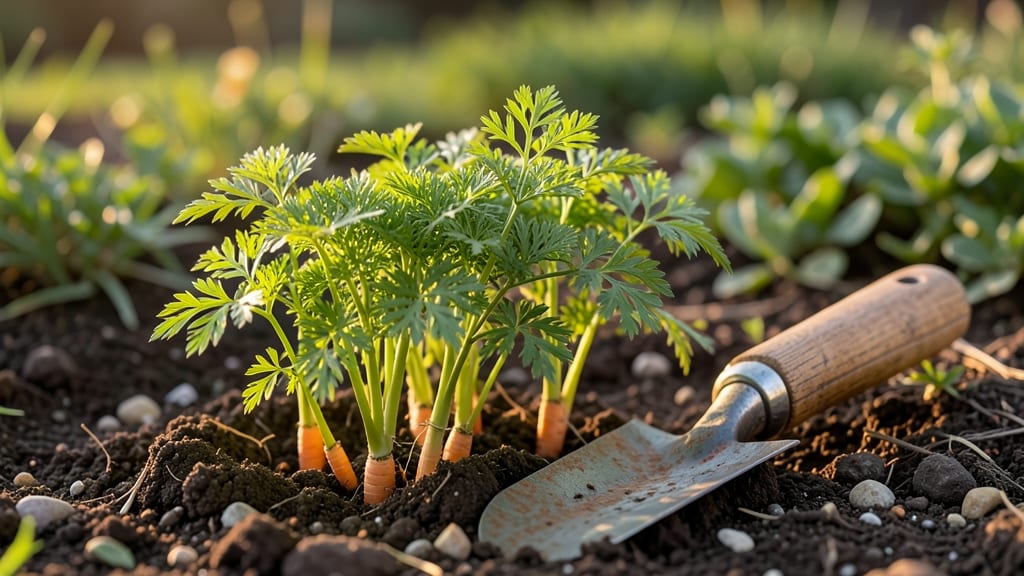
Planting carrots in Zone 7b at the right time means the difference between crisp, sweet harvests and tough, forking roots.
Too early and a late frost will blacken your seedlings; too late and the summer heat sends them bolting before you even taste one.
I’ve learned the hard way that timing isn’t just about dates—it’s about soil warmth, frost risk, and knowing when to stagger your plantings for a continuous harvest.
In Zone 7b, your best windows are early spring (March–April) and late summer (July–August), but coastal areas can push those dates back by a few weeks.
Below, I’ll break down the exact frost-free math, soil prep secrets, and succession planting tricks that keep my garden producing carrots from June through November.
Ready to grow carrots that stay sweet and straight? Let’s dive into the precise planting schedule that works for your 7b climate—no guesswork, just results.

Best planting windows for carrots in Zone 7b (with exact dates)
Carrots thrive in Zone 7b when planted during two key windows: early spring and late summer. The difference between these windows is soil temperature and frost risk.
In my experience, timing matters more than most gardeners realize—plant too early and frost will kill seedlings, too late and heat stress causes bitter roots. Let’s break down the exact dates and conditions for each window.
Zone 7b’s average last frost date is around April 15, while the first frost typically arrives by November 15. This gives us a 195-day growing season, perfect for carrots that mature in 60-80 days.
My strategy? Plant carrots in early spring (March-April) and late summer (July-August) to maximize harvests before winter sets in.
Soil temperature is critical—carrot seeds need 45-65°F soil to germinate. In Zone 7b, soil warms to this range by mid-March in most areas. I always test soil temperature with a soil thermometer before planting to avoid germination delays. For fall plantings, aim for July-August to ensure harvest before frost.
| Planting Window | Exact Dates (Zone 7b) | Soil Temp Requirement | Frost Risk | Harvest Window |
|---|---|---|---|---|
| Early Spring | March 15 – April 15 | 45-65°F | Low (after last frost) | June – July |
| Late Summer | July 15 – August 15 | 50-70°F | Moderate (before first frost) | October – November |
| Succession Planting | Every 2-3 weeks (April–July) | 45-65°F | Varies by date | Staggered harvests |
For spring plantings, start seeds indoors 4-6 weeks before the last frost date (around March 1 in Zone 7b) to get a head start. Transplant seedlings outdoors after soil warms to 50°F.
I’ve found that loose, well-drained soil is non-negotiable—compacted soil causes forked carrots, and nobody wants those. Amend your beds with compost before planting.
If you’re planting directly outdoors, sow seeds ¼ inch deep in rows spaced 12-18 inches apart. Thin seedlings to 2-3 inches apart once they’re 2 inches tall—this prevents overcrowding and ensures straight, sweet roots.
My trick? Use a hand trowel to thin carefully, leaving the strongest seedlings. Water gently after thinning to settle the soil.
Summer plantings require shade cloth in hotter microclimates (like inland Zone 7b areas) to prevent bolting. Carrots bolt when stressed by heat, and bolting makes roots woody and bitter.
I recommend 30% shade cloth during peak afternoon sun (1-4 PM) if your area hits 90°F+. Water deeply in the morning to keep soil moist but not soggy.
Fall plantings are my favorite—they yield crisp, sweet carrots after summer’s heat subsides. Plant 70-80 days before your first frost (around July 15 for Zone 7b).
Choose cold-hardy varieties like ‘Danvers’ or ‘Nantes’ for fall harvests. Mulch with straw to protect roots from temperature swings and extend the harvest into November.
Don’t forget succession planting! Sow new seeds every 2-3 weeks from April through July to enjoy a continuous harvest. This works especially well for baby carrots, which mature in just 50 days. My record? A 12-week harvest of baby carrots by staggering plantings like this.
One mistake I see often? Planting carrots too close to frost dates. Even light frosts can damage seedlings, and carrots won’t recover. Always check your local frost calendar—some Zone 7b areas (like coastal regions) have later frosts than inland spots.
When in doubt, err on the earlier side for spring and earlier side for fall.
Pro tip: Use a seed starting kit for spring plantings to jumpstart growth. I’ve had success with heirloom varieties like ‘Paris Market’ (great for containers) and ‘Purple Haze’ (adds color to your garden). Happy planting—your future crisp carrots will thank you! 🥕
How to adjust carrot planting dates for early vs late varieties
Not all carrots mature at the same pace, which means your planting dates should change based on whether you're growing early varieties or late-season types. In Zone 7b, this distinction can mean the difference between a spring harvest and a fall bounty.
Early varieties like 'Paris Market' or 'Little Finger' reach maturity in just 50-60 days, while late varieties like 'Danvers' or 'Chantenay' take 70-80 days.
For early varieties, you can start seeds as soon as the soil reaches 50°F—typically mid-March in Zone 7b. This timing ensures you'll harvest before summer heat sets in.
Late varieties, however, need a longer growing season, so I plant them in late July to avoid bolting from summer's intense heat. This strategy lets me enjoy carrots from June through November.
Here’s how to adjust your planting schedule based on variety:
| Variety Type | Days to Maturity | Zone 7b Planting Window | Harvest Window | Succession Planting Tip |
|---|---|---|---|---|
| Early Varieties | 50-60 days | Mid-March to early April | Late May to June | Plant every 2 weeks for continuous harvests |
| Mid-Season Varieties | 60-70 days | Late April to early May | July to August | Plant in early summer for fall harvest |
| Late Varieties | 70-80 days | Late July to early August | October to November | Use row covers to extend season |
To maximize your harvest, I recommend succession planting every 2-3 weeks for early varieties. This means planting a new row every few weeks until mid-June, ensuring a steady supply of fresh carrots.
For late varieties, focus on late July plantings to avoid the hottest summer months, which can cause bolting or stunted growth.
If you're growing baby carrots, you can even plant early varieties in late summer for a quick harvest before the first frost. Just be sure to thin seedlings to 2 inches apart to prevent competition.
This trick gives me an extra harvest in September or October before the ground freezes.
Remember, soil temperature is just as critical as air temperature. Use a soil thermometer to confirm it’s at least 50°F before planting—cold soil can delay germination. With these adjustments, you’ll enjoy crisp, sweet carrots from late spring through fall. 🥕