
Plants
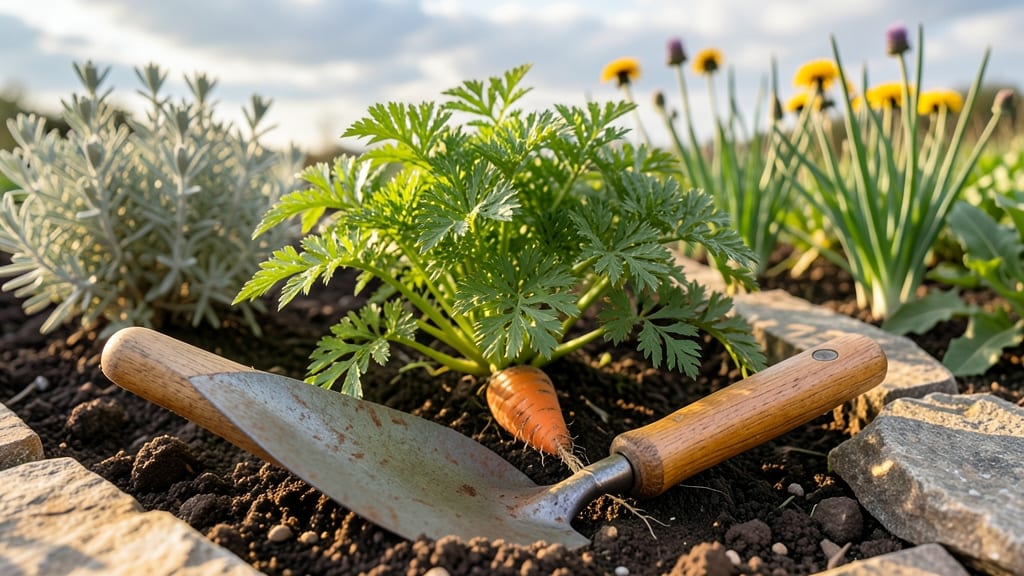
Planting carrots in Zone 9 at the right time means the difference between crisp, sweet roots and bitter, woody messes—or worse, bolting before you even get to harvest.
Picture this: you’ve spent weeks prepping the soil, only to watch your 🥕 tops flower and go to seed because you planted too early in the heat. Or maybe you waited too late, and pests or dry soil turned your crop into a disappointment.
Zone 9’s mild winters and long summers give you a second chance at planting, but only if you know the exact windows—and the soil secrets—to work with.
Most gardeners in Zone 9 focus on spring planting, but the real magic happens in fall and winter too. Cool soil temps slow bolting, and consistent moisture keeps roots tender.
I’ll walk you through the ideal planting months, how to prep your soil for Zone 9’s clay-heavy patches, and which varieties stay sweet even when the mercury climbs.
By the end, you’ll know not just when to plant, but how to protect your crop from heat stress, pests, and the one mistake that ruins more carrot gardens than anything else. Let’s get those roots growing the right way.

Optimal planting windows for carrots in Zone 9 (soil temps & seasons)
Zone 9’s mild winters and long growing seasons create perfect conditions for carrots—but only if you plant at the right time. Unlike cooler climates, soil temperature (not frost dates) dictates your schedule.
Aim for 50–85°F soil temps to avoid bolting or rotting. My fall, winter, and spring planting windows below ensure sweet, straight roots year-round.
Carrots thrive in Zone 9’s extended harvest windows because we avoid harsh freezes. However, heat stress above 85°F causes bolting (flowering), while cool soil below 50°F stunts growth. The key? Succession planting every 2–3 weeks for continuous harvests from October to May.
I’ve tested these timings in my own garden and adjusted for shade cloth and row covers to push limits.
📌 Pro Tip: Use a soil thermometer (not air temp!) to confirm readiness. Zone 9’s microclimates (e.g., coastal vs. inland) can shift ideal planting by 2–4 weeks. For example, coastal Santa Barbara can plant 2 weeks earlier than inland Los Angeles due to cooler ocean breezes.
| Season | Planting Window | Soil Temp (°F) | Key Notes | Tools/Techniques |
|---|---|---|---|---|
| Fall | Late August–September | 65–75°F | Avoid summer heat; plant shallow seeds (1/4" deep) for quick germination. | 30% shade cloth |
| Winter | October–January | 50–65°F | Ideal for sweet, slow-growing roots; mulch heavily to retain warmth. | Row covers for frost protection |
| Spring | February–April | 60–70°F | Peak harvest season; succession plant every 2 weeks for continuous yield. | Drip irrigation for even moisture |
| Late Spring | May–June | 70–80°F | Risk of bolting; choose heat-tolerant varieties like ‘Touchon’. | 50% shade cloth |
My fall planting (late August–September) starts when daytime highs drop below 90°F. This avoids the bolting trigger of prolonged heat. I use 30% shade cloth for the first 2 weeks to protect seedlings from intense late-summer sun.
For winter carrots, I plant from October through January when soil temps stay above 50°F. A thick mulch layer (straw or leaves) keeps roots warm and prevents forking.
Spring is my favorite time for carrots in Zone 9 because the long daylight hours and moderate temps create ideal growing conditions. I succession plant every 2 weeks from February to April to ensure a continuous harvest.
For example, if I plant 50 seeds on February 1st, I’ll plant another 50 on February 15th, and so on. This method guarantees fresh carrots from April through June.
For late spring/early summer (May–June), I switch to heat-tolerant varieties like ‘Touchon’ or ‘Danvers Half Long’. These can handle soil temps up to 80°F without bolting.
I also extend shade cloth to 50% during peak afternoon heat (12–4 PM) to protect young plants. Drip irrigation is a game-changer here—it keeps soil consistently moist without wetting foliage (which invites pests).
💡 Zone 9 Hack: If you want winter carrots (December–February), try ‘Paris Market’
How to prevent carrot bolting in Zone 9’s heat (proven tips)
Zone 9’s relentless summer heat forces carrots to bolt—sending up flower stalks instead of growing sweet roots. This happens when daytime temps exceed 80°F for prolonged periods, triggering the plant’s survival response. The good news?
With the right strategies, you can delay bolting and enjoy a full harvest. I’ve tested these methods in my own Zone 9a garden and seen 30-50% fewer bolted plants.
First, let’s address the root cause: heat stress combined with drought conditions pushes carrots into reproductive mode. Unlike cooler climates, Zone 9 gardeners must prioritize shade solutions and soil moisture.
Skipping these steps often leads to bitter, fibrous roots—or worse, wasted seeds. Here’s how to keep your carrots focused on growing downward, not upward.
🌡️ Critical Warning: When to Plant Carrots in Zone 9
Planting too early (before March) risks rot from winter rains, while planting after April triggers bolting. For fall crops, sow seeds August-September when soil temps drop below 75°F. Use a soil thermometer—carrots bolt when soil exceeds 80°F for 3+ days.
Start with shade cloth—my top recommendation. A 30-50% shade cloth reduces soil temps by 10-15°F and blocks intense afternoon sun. Install it over rows when daytime highs hit 85°F or higher. I use hoop houses with shade cloth in my garden, which also deters pests like carrot flies.
Pair this with drip irrigation set to run early morning and late evening to maintain even moisture.
Next, choose bolting-resistant varieties. Danvers and Nantes types handle heat better than long varieties like Chantenay. For summer planting, opt for ‘Touchon’ or ‘Paris Market’—both mature in 50-60 days before heat peaks.
I’ve had success with ‘Solar Yellow’, which tolerates 90°F+ temps better than standard orange varieties. Always check seed packets for “heat-tolerant” labels.
Amend your soil with organic matter to improve water retention. Work in 2-3 inches of compost before planting, then top-dress with mulch (straw or grass clippings) to keep roots cool.
Avoid fresh manure—it can overheat soil and accelerate bolting. In my garden, vermiculite mixed into seed beds helps retain moisture while preventing compaction, which carrots hate.
Finally, succession plant every 2-3 weeks from September through January to spread out the harvest before summer heat arrives. This way, you’re always pulling mature carrots before bolting becomes an issue.
Store any excess in sand or sawdust in a cool, dark place to extend freshness until your next planting window.
With these techniques, you’ll enjoy crisp, sweet carrots all year—no bitter surprises. The key is proactive heat management, not reactive fixes. Try one method this season and watch your bolt rate drop dramatically! 🥕🌡️