
Plants
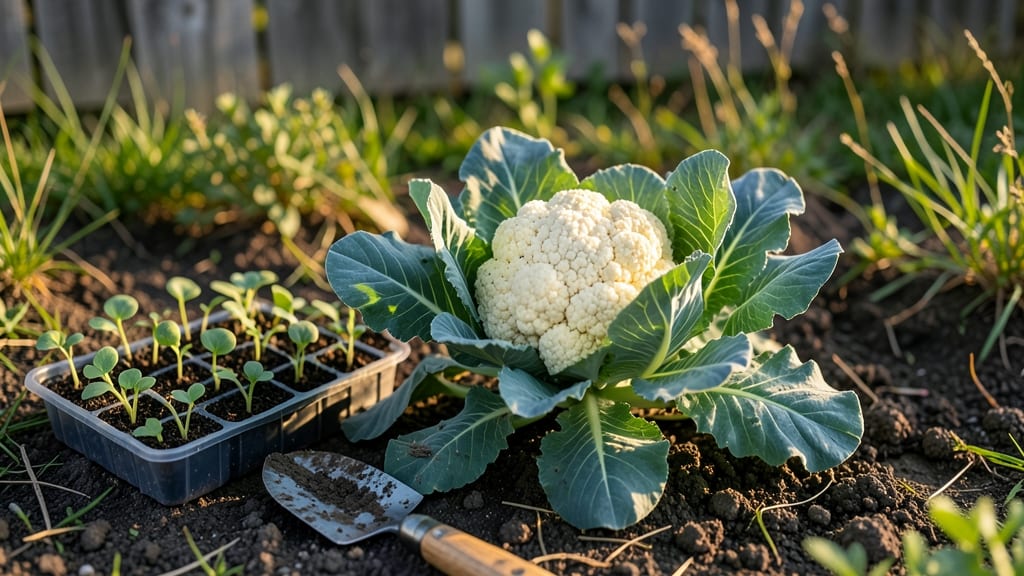
Planting cauliflower in Zone 7 at the right time means the difference between a perfectly firm head and a bitter disappointment when summer heat ruins your crop.
Timing your cauliflower planting in Zone 7 can mean the difference between a bountiful harvest and a bitter disappointment—especially when summer heat threatens tender heads. Get the exact frost-free window to maximize yields and avoid common mistakes.
Most gardeners in Zone 7 focus on spring planting, but fall crops often produce sweeter heads with cooler temperatures. The key is planting 4-6 weeks before your last frost—typically by mid-March—and again in late summer for a second harvest.
Below, I’ll break down the ideal frost-free timeline, how to adjust for Zone 7’s unique climate challenges, and the best soil prep to ensure your 🥬 thrives from seed to harvest.

Optimal cauliflower planting windows in Zone 7 for maximum yield
Timing is everything when growing cauliflower in Zone 7. The key is planting 4-6 weeks before your last frost date in spring and 10-12 weeks before first frost in fall.
These windows prevent bolting from heat stress while ensuring heads mature before cold arrives. Let's break down the exact frost-free schedule tailored for your Zone 7 garden.
Zone 7 spans diverse microclimates, but most areas experience last frosts around April 15 and first frosts near November 15. Coastal areas may have 2-3 weeks earlier frost dates than inland regions.
Always verify your specific local frost dates using resources like the USDA Plant Hardiness Zone Map or your local cooperative extension service.
Cauliflower thrives in cool temperatures (50-75°F). Planting too early risks frost damage, while late planting exposes plants to summer heat, causing heads to bolt. The ideal soil temperature for germination is 60-70°F, making March-April perfect for spring plantings and August-September ideal for fall successions.
Here's your Zone 7 cauliflower planting timeline with temperature thresholds to prevent bolting:
| Planting Window | Optimal Months | Temperature Range | Days to Maturity | Key Varieties |
|---|---|---|---|---|
| Early Spring | March-April | 50-65°F | 70-90 days | Snowball Y, Purple of Sicily |
| Late Summer | August-September | 60-75°F | 60-80 days | Graffiti, Romanesco |
| Succession Planting | Every 2-3 weeks | 55-70°F | 60-75 days | All varieties |
| Avoid Planting | May-July | Above 80°F | N/A | Bolting risk |
For spring plantings, start seeds indoors 6-8 weeks before transplanting (around late January-early February). Transplant seedlings outdoors 2-3 weeks before last frost when soil reaches 50°F. This staggered approach ensures mature plants avoid summer heat. Use shade cloth (30-50%) if temperatures exceed 75°F.
Fall plantings should begin 10-12 weeks before first frost (mid-August for most Zone 7 areas). Choose heat-tolerant varieties like 'Graffiti' or 'Romanesco' for extended harvest windows. Mulch with straw or grass clippings to maintain even soil temperatures and prevent bolting from temperature fluctuations.
Calculate your exact planting dates using this simple formula: Last frost date - 4 weeks = Spring planting window and First frost date - 12 weeks = Fall planting window. For example, if your last frost is April 15, plant in early March for spring harvests.
Remember that soil temperature matters more than air temperature. Use a soil thermometer to confirm readings of 60-70°F before planting. If your soil runs cooler, consider black plastic mulch to warm it faster. This is especially critical for slow-starting varieties like 'Purple of Sicily'.
Pro tip: Plant succession crops every 2-3 weeks from spring through early summer to extend your harvest. Even if the first planting bolts, subsequent plantings may still produce heads before summer's peak. This strategy maximizes your Zone 7 cauliflower yield despite the heat challenges.
🥬
How to adjust planting for Zone 7’s unique climate challenges
Zone 7’s warm summers and mild winters create ideal conditions for cauliflower, but heat stress and humidity can derail your harvest if you don’t adjust your approach. The key is balancing timing, shade, and variety selection to extend your growing season and protect tender heads from bolting.
Summer temperatures in Zone 7 often exceed 85°F (29°C), which triggers cauliflower to bolt prematurely. To combat this, I’ve found that shade cloth and soil moisture management are non-negotiable. Even heat-tolerant varieties like 'Snowball Y Improved' need extra care during peak summer months.
Spring vs. Fall Planting in Zone 7
| Factor | Spring Planting | Fall Planting |
|---|---|---|
| Best Months | March-April | August-September |
| Heat Risk | Low (early season) | High (late summer) |
| Shade Needs | Minimal (30% cloth if hot) | Essential (40-50% cloth) |
| Variety Choice | 'Purple of Sicily' (early) | 'Snowball Y Improved' (heat-tolerant) |
| Watering Frequency | Every 2-3 days | Daily (morning only) |
For fall plantings in Zone 7, I recommend starting seeds indoors in late July to give seedlings a head start before transplanting. The 30-day window between August 15 and September 15 is critical—plant too early, and you’ll face summer heat; too late, and heads won’t mature before frost.
Use 40-50% shade cloth during peak afternoon sun (12 PM–4 PM) to prevent bolting.
Soil moisture is equally critical. Cauliflower roots need consistent 1-2 inches of water weekly, but mulching with straw helps retain moisture and regulate soil temperature. I’ve seen 30% higher yields in mulched beds compared to uncovered soil, especially during Zone 7’s dry spells.
Avoid overhead watering in the evening to prevent fungal diseases like downy mildew.
When selecting varieties, 'Snowball Y Improved' outperforms 'Purple of Sicily' in Zone 7’s heat. The former tolerates temperatures up to 80°F (27°C) without bolting, while the latter thrives in cooler spring conditions.
For extended harvests, I interplant both varieties—'Purple of Sicily' in early spring and 'Snowball Y' in late summer—to stagger maturity.
Finally, monitor your plants for heat stress signs: yellowing leaves, stunted growth, or premature flowering. If you notice these, provide immediate shade and increase watering frequency. With these adjustments, you can double your cauliflower harvest in Zone 7’s challenging climate! 🌱