
Plants
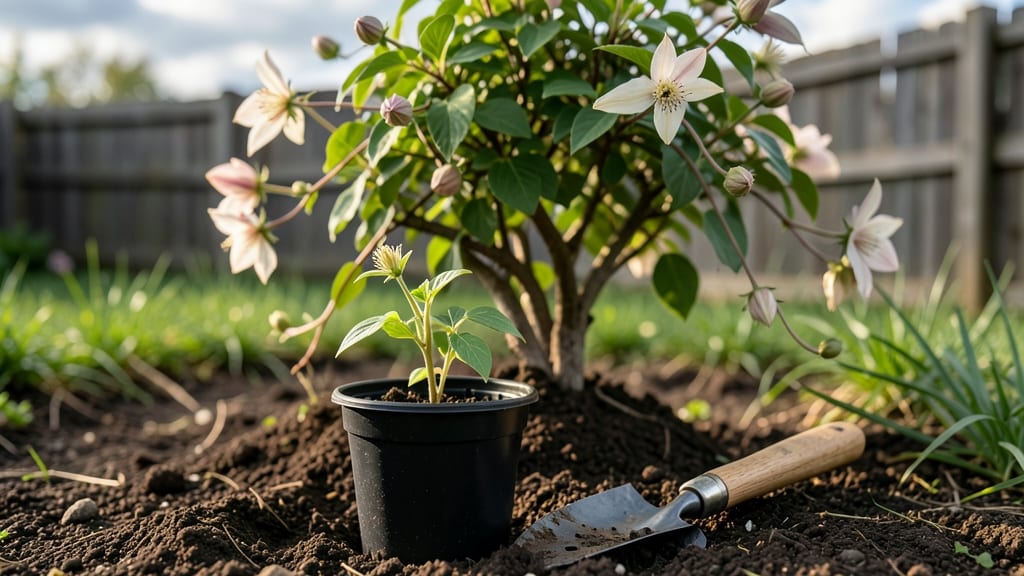
Planting clematis in Zone 8 during early spring or fall ensures strong root growth and vibrant blooms 🌸 — the key to a thriving vine.
Picture this: You’ve chosen the perfect clematis variety, but your timing is off. The roots struggle to establish, or the plant bolts before flowering. That’s why knowing the exact window matters more than you’d think.
In Zone 8, the ideal planting months are March-April for spring or September-October for fall. These windows align with soil temperatures and frost risks, giving your clematis the best chance to take hold before summer heat or winter dormancy.
Below, I’ll break down the science behind these months, how to adjust for your specific microclimate, and the one mistake that derails even well-timed plantings.

Best planting months for clematis in Zone 8: root growth secrets
In Zone 8, where winters are mild but frost still lingers, planting clematis at the right time ensures strong root development and vibrant blooms. The ideal window spans early spring (March-April) and early fall (September-October), but fall is often preferred for most varieties.
This timing allows roots to establish before winter dormancy while avoiding the stress of summer heat.
Clematis thrive when planted during cooler soil temperatures, ideally between 50°F and 60°F. In Zone 8, soil warms up quickly in spring, so early planting is critical.
Fall planting, however, gives roots a head start before the first frost—typically around mid-November in this zone. This dormancy period strengthens the plant’s resilience for the next growing season.
Soil temperature is the key factor—too warm, and roots struggle to anchor; too cold, and growth stalls. Aim for 55°F soil temps when planting, which aligns with September-October in most of Zone 8. Use a soil thermometer to confirm before digging.
Here’s a quick comparison of the two best planting windows for clematis in Zone 8, including frost risk and root growth benefits:
| Planting Window | Soil Temp Range | Frost Risk | Root Growth Benefit |
|---|---|---|---|
| Early Spring (March-April) | 50°F–60°F | Low (after last frost) | Rapid above-ground growth |
| Early Fall (September-October) | 55°F–65°F | Moderate (before first frost) | Stronger root system before dormancy |
Fall planting is my top recommendation for Zone 8 gardeners because it reduces transplant shock. When you plant in September or early October, the vine has 6–8 weeks to establish roots before winter.
This head start means less stress in spring and more energy for blooming. Plus, cooler fall temps prevent root burn from hot soil.
If you miss the fall window, don’t panic—spring planting still works well. Just be sure to plant by mid-April to avoid the late spring frost risk in Zone 8.
Water deeply after planting and mulch heavily to retain moisture. For container-grown clematis, spring planting is often safer since roots are already established in pots.
One critical mistake to avoid is planting too early in spring. If soil temps are still below 50°F, roots won’t grow, leaving your clematis vulnerable to frost heave—when freezing and thawing cycles push roots out of the soil.
Always check soil temps before planting, especially in northern Zone 8 areas like Denver or Las Vegas.
For large-flowering varieties like ‘Jackmanii’ or ‘Nelly Moser’, fall planting is ideal because they benefit from a long dormancy period. Smaller-flowering types, such as ‘Montana’ or ‘Vyvyan Pennell’, are more flexible but still thrive with fall planting.
Pro tip: Amend the soil with compost or bone meal before planting to boost phosphorus, which fuels root growth.
After planting, monitor your clematis closely for the first 30 days. Consistent moisture is key—aim for 1 inch of water per week, especially during dry spells. In Zone 8’s hot summers, mulch with 2–3 inches of organic mulch to keep roots cool and retain soil moisture.
This simple step can double your success rate.
Remember, clematis roots are shallow and sensitive to temperature swings. By planting in the optimal fall window, you’re giving your vine the best chance to thrive in Zone 8’s climate.
With the right timing and care, your clematis will reward you with lush foliage and stunning blooms for years to come. 🌸
How to adjust planting timing for clematis varieties in Zone 8
Not all clematis varieties thrive on the same schedule in Zone 8, so understanding their unique needs is key. Early bloomers like ‘Jackmanii’ demand precise timing, while late bloomers such as ‘Niobe’ offer more flexibility.
Even the type of plant—bare-root or container-grown—shifts your ideal window. Microclimates also play a role: urban heat islands may push back planting dates by 2-3 weeks compared to rural areas.
Container-grown clematis can be planted 2-4 weeks later than bare-root varieties, thanks to their established root systems. However, they still need to avoid the first frost (typically mid-November in Zone 8). For bare-root plants, early fall (September) is critical—they need 6-8 weeks to establish roots before winter dormancy.
Adjust for your local last frost date, which can vary by 10-14 days even within the same zone.
Early bloomers (Group 1) like ‘Jackmanii’ and ‘Comtesse de Bouchaud’ must be planted in early spring (March) to ensure they flower on old wood. Late bloomers (Group 3), such as ‘Niobe’ and ‘Perle d’Azur’, can handle fall planting (September-October) because they flower on new wood. Group 2 varieties (like ‘The President’) are the most flexible but still benefit from early fall planting.
Urban gardeners should also account for heat island effects, which can delay soil cooling in fall. Test soil temperature with a thermometer—ideal planting temps are 50-60°F.
In rural areas, cooler nights may allow earlier fall planting, but avoid planting when temps drop below 40°F, as roots won’t establish properly. For container-grown clematis, extend your window by 4 weeks, but ensure pots have drainage holes to prevent root rot.
Pro tip: Pair ‘Jackmanii’ with a trellis in spring and ‘Niobe’ in fall for maximum bloom potential. Both varieties benefit from mulching (3-4 inches) to regulate soil temperature.
If you miss the ideal window, container planting in late spring is a lifesaver—just keep the soil consistently moist until roots catch up.
Remember, clematis are perennials, so a slightly off schedule won’t kill them—but it will delay those stunning blooms. Adjust based on your variety, plant type, and local microclimate, and you’ll be rewarded with a vine that thrives year after year. 🌸