
Plants
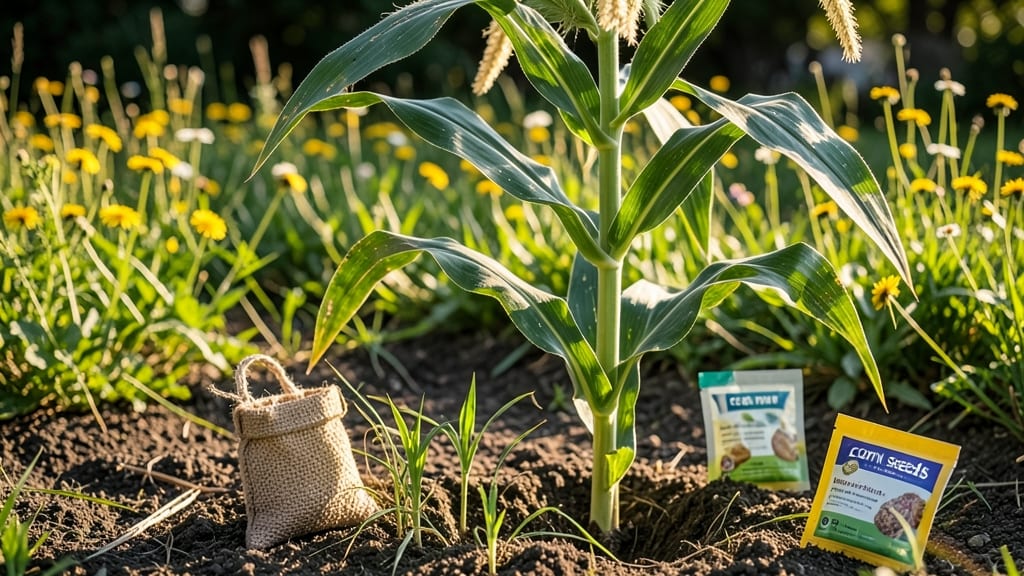
Plant corn in Zone 9b between mid-February and early March for the fastest, sweetest harvests 🌽 — timing is everything when the heat arrives early.
Growing corn in Zone 9b’s hot summers can be tricky—plant too early and risk frost damage, too late and miss peak harvest season. But timing it perfectly ensures sweet, juicy ears straight from your garden.
Unlike cooler zones, Zone 9b’s frost-free year-round climate means you can focus on soil temperature instead of frost dates. Aim for 60°F soil to kickstart germination, and choose fast-maturing varieties that handle the desert heat.
In this guide, I’ll share the exact dates for your region, how to adjust for microclimates, and the best varieties that thrive in Phoenix or Southern California’s intense sun.

Optimal planting dates for corn in Zone 9b by variety type
Zone 9b gardeners enjoy frost-free growing seasons, but timing corn planting correctly is still critical. Unlike cooler zones, heat tolerance and soil temperature become your biggest allies. Sweet corn, popcorn, and field corn all have different ideal windows, with March through April being the sweet spot for most varieties.
Since Zone 9b spans diverse microclimates from deserts to coastal areas, I’ll break down planting dates by variety type and soil temperature requirements. For example, sweet corn thrives when soil hits 60°F (15°C), while heat-tolerant hybrids can handle up to 90°F (32°C) without bolting prematurely.
The summary-table below shows exact planting windows, but remember: succession planting every 2 weeks ensures continuous harvests. In Phoenix, for instance, you might plant sweet corn in late February and early March, while coastal areas like San Diego can extend planting into April.
For sweet corn, aim to plant when daytime highs are 75-85°F (24-29°C)—this prevents ear rot and ensures sugar retention. Varieties like 'Ambrosia' or 'Silver Queen' perform well in Zone 9b if planted in March.
If you’re in a hot inland valley, opt for heat-tolerant hybrids like 'Peaches and Cream' or 'Bodacious'.
Popcorn lovers can push planting later into April or even May, as popcorn handles heat better than sweet corn. Field corn, often grown for livestock or biofuel, can be planted as early as late February in cooler microclimates like Higher elevations in Southern California.
Its longer maturity window lets it avoid summer’s peak heat.
One critical mistake in Zone 9b is planting too early. If you sow sweet corn in January, the plants may bolt prematurely or develop starchy, less sweet kernels.
Always check your local last frost date (even if rare) and adjust for soil warming trends. Use a soil thermometer to confirm 60°F+ before planting.
In coastal Zone 9b areas, like San Diego or Santa Barbara, you can extend planting into May for a fall harvest. However, desert regions (e.g., Phoenix or Palm Springs) should focus on spring planting to avoid 100°F+ temperatures that stress young plants.
Shade cloth can help if you’re pushing late-season
How to adjust planting for Zone 9b's heat and humidity challenges
Zone 9b's intense heat and humidity can stress corn plants, causing bolting (premature flowering) or poor ear development. The key is to time plantings for cooler periods and use shade strategies to protect young plants.
I’ve learned that succession planting every 2-3 weeks keeps harvests steady, even in summer’s peak temperatures.
Corn thrives when daytime highs stay below 90°F (32°C) during critical growth stages. In Zone 9b, this means starting seeds indoors or using shade cloth (30-50%) for outdoor plantings.
My late winter to early spring plantings (February-March) avoid the worst summer heat while still allowing a full 90-day harvest window.
⚠️ callout-warning
To manage soil moisture, I use drip irrigation systems set on timers to deliver 1-2 inches of water weekly. Mulching with straw or wood chips locks in moisture while keeping roots cool.
In my Phoenix garden, this extends the growing season by 3-4 weeks compared to traditional summer plantings.
For continuous harvests, I practice succession planting every 2-3 weeks from February through April. This ensures fresh ears through June and July before summer’s worst heat sets in. Fast-maturing varieties like 'Silver Queen' (70 days) work best for these staggered plantings.
If you must plant in late spring or summer, choose shade-tolerant varieties like 'Peaches and Cream' and use 50% shade cloth during the hottest afternoon hours. My container-grown corn performs better this way, as pots heat up faster than in-ground beds.
Finally, monitor your corn’s silks for signs of stress. Brown, dry silks indicate heat damage, while milky kernels signal readiness for harvest. With these adjustments, even Zone 9b’s challenges become manageable for a reliable corn crop.