
Plants
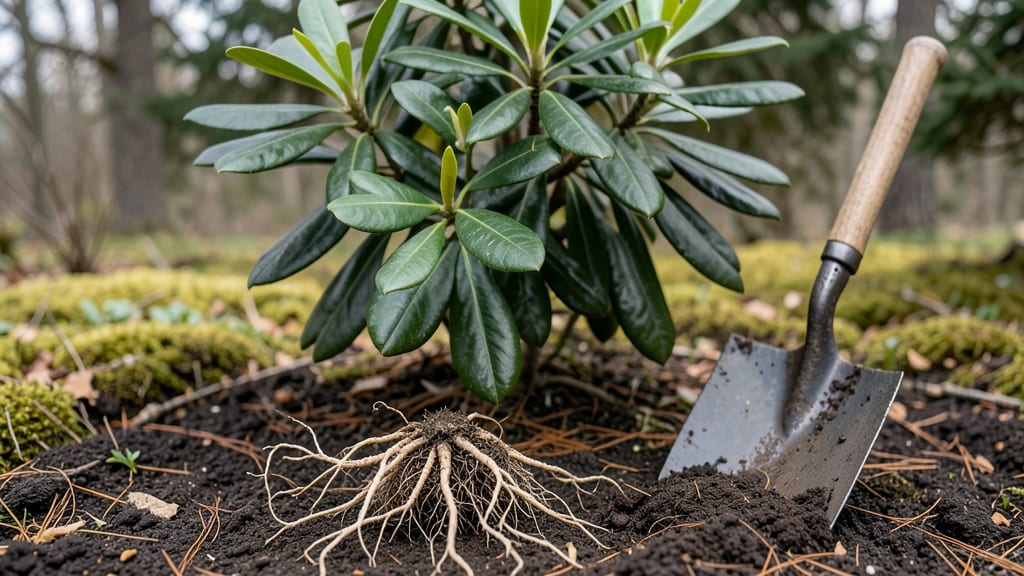
Planting evergreens in Zone 7 during fall or early spring gives them the best shot at thriving through winter 🌲 — a timing mistake can leave them struggling to establish roots before the cold sets in.
If you’ve ever watched your evergreens wilt in winter or fail to take hold after planting, you’re not alone.
The key is getting them in the ground when soil temps are cool but frost isn’t lurking around the corner—too early, and they’ll dry out; too late, and they won’t have time to root before dormancy.
In Zone 7, the ideal window stretches from mid-September through November or from late March to April, depending on whether you’re planting container-grown or bare-root specimens. This timing ensures strong root development before winter’s chill, setting the stage for years of lush, healthy growth.
Below, I break down the exact timing for different evergreen types, soil prep secrets, and how to spot when your plants are ready to face Zone 7 winters—without the guesswork.

Optimal planting windows for evergreens in Zone 7 by species type
Evergreens thrive in Zone 7 but need precise planting timing to establish roots before winter. The 60-day rule applies here: plant when your region has 60 frost-free days remaining, giving roots time to anchor before dormancy.
For Zone 7, this typically means late September through November or early March through April—but species-specific needs vary widely.
Conifers like pines and spruces handle fall planting best, while broadleaf evergreens (holly, boxwood) often prefer early spring to avoid winter desiccation. Drought-resistant varieties like arborvitae or juniper offer flexibility, but all benefit from well-draining soil and mulch protection during their first winter.
Here’s the breakdown you need to avoid transplant shock and ensure year-round greenery:
| Evergreen Type | Best Planting Window | Soil Temp Threshold | Root Establishment Time | Zone 7 Notes |
|---|---|---|---|---|
| Conifers (Pines, Spruces, Firs) | Late September–November | 50–60°F (10–15°C) | 60–75 days | Tolerates cooler soil; avoid late fall if frost arrives early. |
| Broadleaf Evergreens (Holly, Boxwood, Camellia) | Early March–April | 55–65°F (13–18°C) | 45–60 days | Sensitive to winter burn; plant after last frost. |
| Drought-Resistant (Arborvitae, Juniper, Mahonia) | September–October or March | 45–55°F (7–13°C) | 75–90 days | Flexible timing; prioritize soil moisture. |
| Container-Grown Evergreens (All Types) | April–May or September | 60–70°F (16–21°C) | 30–45 days | Established root balls recover faster; avoid winter planting. |
For conifers, fall planting is ideal because cooler temperatures reduce transplant shock and allow roots to establish before winter dormancy.
Aim to plant 6–8 weeks before the first hard frost (typically mid-November in Zone 7). Bare-root conifers should be planted as soon as possible after purchase to prevent root desiccation.
Broadleaf evergreens like holly and boxwood are more delicate and benefit from early spring planting (March–April). This timing aligns with active root growth and minimizes winter desiccation risk. If you must plant in fall, choose container-grown specimens and water thoroughly to protect roots.
Drought-resistant varieties like arborvitae or juniper offer a wider planting window but still require attention to soil moisture. These species tolerate late fall planting (up to mid-October) if soil remains workable. Mulch heavily (3–4 inches) to retain moisture and insulate roots during Zone 7 winters.
Container-grown evergreens are the most flexible for Zone 7 gardeners. They can be planted throughout the growing season (April–May or September), but avoid peak summer heat or winter frost. Their established root balls reduce transplant shock, making them perfect for last-minute landscaping or replacement plantings.
Pro tip: Use a soil thermometer to monitor temperatures—conifers thrive when soil is 50–60°F, while broadleaf evergreens need 55–65°F. If temperatures drop below these thresholds, delay planting until conditions improve. Zone 7 microclimates (e.g., urban heat islands) may extend planting windows by 1–2 weeks
Zone 7-Specific evergreen planting calendar: month-by-month breakdown
Timing your evergreen plantings in Zone 7 means balancing root establishment with frost risk. Plant too early, and roots struggle in summer heat; too late, and winter stress sets in.
The key is 6-8 weeks before first frost—typically mid-September through early November—with adjustments for microclimates like urban heat islands or sheltered valleys.
For container-grown evergreens, you have more flexibility, while bare-root plants demand precise timing. Always check soil temperatures (ideal: 50-60°F) and avoid planting when daytime highs exceed 85°F. Let’s break down each month’s critical tasks to keep your evergreens thriving.
🌲 Zone 7 Evergreen Planting Calendar
- 1
- 2
- 3
- 4
- 5
Adjust for microclimates: Urban areas stay warmer—plant 2 weeks later than rural zones. Sheltered spots (e.g., south-facing slopes) can handle November plantings, while exposed sites should stop by October 1. Always monitor soil moisture; evergreens hate soggy roots but also drought stress.
Pro tip: Use root stimulator on bare-root plants and mycorrhizal fungi for container-grown evergreens. These boost root establishment by 30-50%, critical for Zone 7’s variable winters. 🌱
For large evergreens (e.g., Douglas fir, Leyland cypress), hire a pro to handle transplant shock risks. Smaller varieties (6ft or less) thrive with DIY care if planted in the optimal windows above. Test soil pH (ideal: 5.0-7.0) before planting—amend with sulfur or lime as needed.
Remember: Evergreens planted in fall establish roots before winter, while spring plantings prioritize foliage growth. Choose based on your region’s last frost date and your plants’ hardiness zones. With this calendar, your evergreens will thrive year-round in Zone 7’s climate. ✂️