
Trees
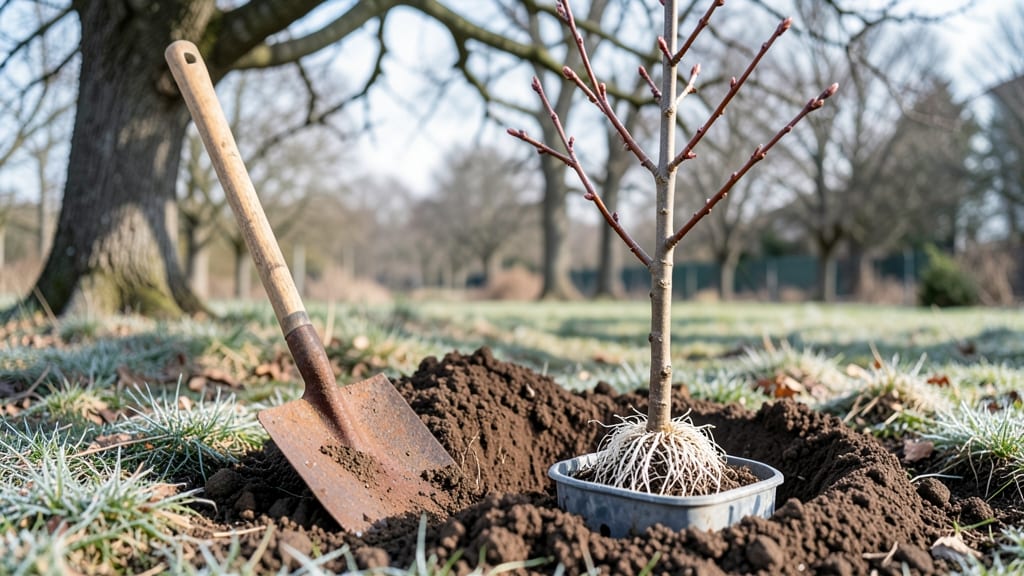
To plant fruit trees in Zone 5 at the right time means catching that narrow window between frost risk and soil warmth — and missing it can leave your 🍎 struggling for years.
I’ve watched bare-root trees wilt when planted too early, their roots freezing before they could establish, while others planted just weeks later took off like rockets. The difference comes down to soil temperature, not just the calendar.
Most Zone 5 growers swear by early spring (late March to April) when the ground thaws but before summer’s heat arrives. But fall planting—September to October—works for certain varieties, too, if you time it right.
Here’s how to pinpoint the exact moment for your climate, plus what to do if you’re late to the game or dealing with containers. Your future harvest depends on getting this step perfect.

Optimal planting months for fruit trees in Zone 5: a seasonal breakdown
Zone 5 gardeners face a critical decision: when to plant fruit trees to ensure strong root establishment before summer heat or winter dormancy. The ideal planting window balances soil temperatures between 40-50°F and avoids extreme frost risks.
Deciduous trees like apple and pear thrive when planted in early spring (March-April), while evergreens like figs prefer late fall (October-November).
Timing matters because root growth slows below 40°F and transplant shock increases above 75°F. In Zone 5, where last frosts average mid-May and first frosts hit mid-October, planting outside these windows can delay fruit production by 2-3 years.
Let’s break down the best months for each fruit type and why.
| Month | Best For | Soil Temp | Frost Risk | Notes |
|---|---|---|---|---|
| March | Bare-root deciduous (apple, cherry, plum) | 40-50°F | Low (late frosts possible) | Plant before buds swell; water deeply after. |
| April | Container-grown trees (peach, pear, citrus) | 50-60°F | Moderate (watch for late frosts) | Avoid if soil is still frozen; mulch heavily. |
| September | Evergreens (fig, persimmon) and late-season deciduous | 55-65°F | Low (first frost after) | Plant 6-8 weeks before first frost for root establishment. |
| October | Bare-root trees (apple, pear, quince) | 45-55°F | High (first frost imminent) | Plant early October; avoid if ground freezes. |
| November | Dormant evergreens (olive, pomegranate) | 40-50°F | Very High | Only for hardy varieties; protect with mulch. |
🌱 Pro Tip: Bare-root trees must be planted within 24-48 hours of purchase to prevent root desiccation.
For deciduous fruit trees like apple, pear, and cherry, March-April is the gold standard. The soil warms enough for root regrowth (40-50°F), but the tree hasn’t yet entered active growth.
This 2-3 week window after last frost risk is perfect for bare-root trees, which establish roots faster than container-grown ones.
Evergreen fruit trees, such as figs or persimmons, prefer late summer to fall planting (September-October). These trees benefit from cooler soil temperatures and reduced transplant shock before winter dormancy.
Planting in September gives roots 6-8 weeks to establish before the ground freezes, while October is riskier but works for hardy varieties like dwarf apples.
Container-grown fruit trees offer flexibility—they can be planted throughout spring and early fall (March-May or September-October). However, avoid planting in June-August when soil temperatures exceed 70°F, as this causes transplant shock and root burn.
If you must plant in summer, choose overcast days and water deeply every 2-3 days.
Zone 5’s microclimates complicate timing. Urban areas with heat islands may have earlier last frosts (late April), while rural zones might see late May frosts. Check your local frost dates and adjust by 2-3 weeks.
For example, if your area’s last frost is May 10, aim for March 20-April 10 planting to avoid frost damage to new shoots.
One common mistake is planting too early (February) when soil is still frozen or waterlogged. Roots won’t establish, leading to stunted growth. Conversely, planting too late (May-June) risks summer drought stress. The 40-50°F soil temperature rule is your best guide—use a soil thermometer to confirm before planting.
Special cases include citrus trees,
5 Critical factors that determine the best planting time in Zone 5
Determining the perfect time to plant fruit trees in Zone 5 isn't just about checking a calendar—it's about understanding your tree's needs and local conditions. While early spring and fall are often cited as ideal, the real magic happens when you align planting with these five critical factors.
Ignoring them can lead to transplant shock, poor root development, or even tree death in extreme cases.
For example, planting a peach tree too early in spring when soil temperatures are still below 40°F can stunt root growth, while planting too late may expose young trees to fall frosts.
Each factor acts like a puzzle piece—get them all right, and your fruit tree will thrive for decades. Let's break down what truly matters beyond just the month.
- 1 Soil Temperature: Roots need 40-50°F soil to establish. Use a soil thermometer—planting when temps consistently hit 45°F ensures healthy growth. Cold soil can cause root rot or delayed growth.
- 2 Chill Hours: Many fruit trees (like apples and cherries) need 600-1,000 chill hours below 45°F. Planting too early in warm microclimates (e.g., urban areas) can disrupt dormancy cycles, leading to poor flowering or fruit set.
- 3 Transplant Shock Risk: Early spring planting (March-April) minimizes shock by allowing roots to establish before summer heat. Fall planting (September-October) works for bare-root trees but risks late frosts—mulch heavily to protect roots.
- 4 Microclimate Variations: Urban areas (e.g., Chicago) can be 5-10°F warmer than rural zones due to heat islands. Adjust planting by 1-2 weeks later in cities to avoid premature bud break.
- 5 Moisture Availability: Plant when soil moisture is consistent but not waterlogged. Drought stress during transplanting can kill young trees—check for 1-2 inches of rain or irrigate weekly if dry. Avoid planting during prolonged dry spells.
Let’s talk about the risk assessment for planting outside these windows. Early planting (February) in Zone 5 risks frost damage to new growth, while late planting (May-June) can expose trees to summer drought and heat stress.
For example, a pear tree planted in late May might not establish roots before winter, leading to winter dieback. The key is balancing these factors—soil warmth, chill hours, and moisture—with your local frost dates.
Pro tip: Use a frost calendar for your specific area (e.g., last frost date in Iowa vs. New York) and adjust planting accordingly. In rural Zone 5, you might plant 2 weeks earlier than in urban areas.
Always prioritize root establishment over quick above-ground growth—healthy roots mean stronger fruit production for years to come.
Finally, don’t overlook container planting as a workaround for tricky timing. Container-grown trees can be planted throughout the growing season (spring to fall), giving you flexibility in urban gardens where microclimates vary wildly. Just ensure the container stays moist but well-draining until roots establish in the ground.