
Plants
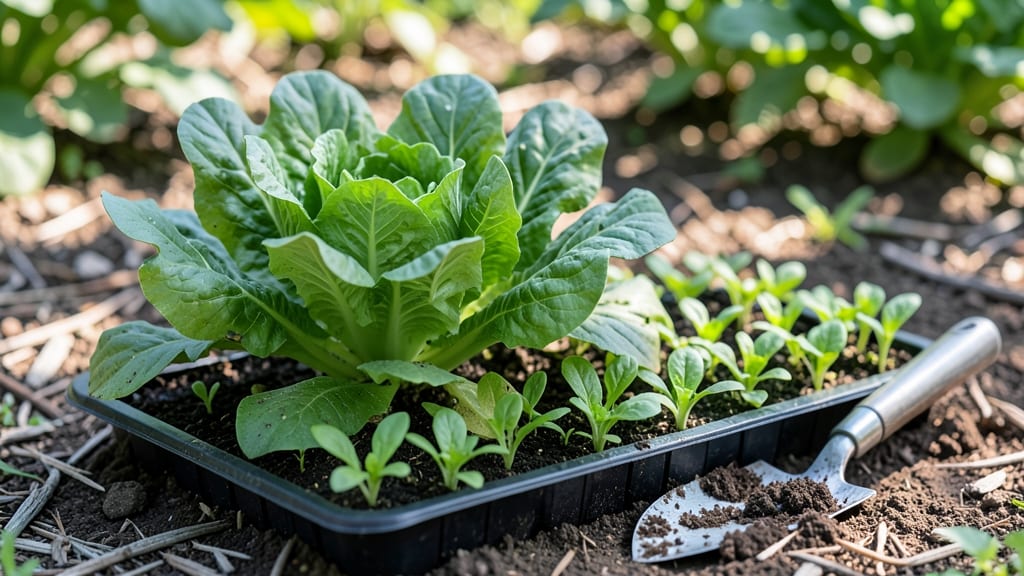
To plant in Zone 6, timing varies by crop: cool-season vegetables like spinach go in early spring (March-April) or fall (September-October), while warm-season crops such as tomatoes need soil at 60°F (late April to early May). Local frost dates and last spring frost averages are your best guides.
Zone 6's planting schedule hinges on understanding your area's last frost dates—typically between April 15-30—and soil warmth.
Cool-season crops handle light frosts, while warm-season varieties demand consistent warmth. 🌱 I always check my local USDA Plant Hardiness Zone Map and adjust for microclimates, like south-facing slopes that warm faster.
For example, leafy greens can start in March, but peppers need to wait until after Memorial Day when soil stays reliably above 60°F.
Pro tip: Use a soil thermometer to verify warmth before planting heat-lovers. In cooler microclimates, extend the season with row covers or start seeds indoors 6-8 weeks before the last frost. This flexibility lets you grow almost year-round with the right planning.
💡 In This Article
- Zone 6 Frost Dates and Soil Temperature Guidelines
- Best Planting Schedule for Common Zone 6 Crops
Zone 6 frost dates and soil temperature guidelines
Zone 6's planting windows are primarily dictated by last frost dates, which typically range from April 15 to April 30 in most areas. However, these dates can shift by 1-2 weeks depending on elevation and proximity to large bodies of water.
For example, areas near Lake Erie might experience later frosts due to cooler lake breezes, while inland regions warm faster. The USDA Plant Hardiness Zone Map provides a baseline, but local weather records offer more precise timing.
Soil temperature plays an even bigger role than air temperature for seed germination. Warm-season crops like tomatoes and peppers require soil at 60°F or higher—a threshold often reached 2-4 weeks after the last frost.
Using a soil thermometer is critical here; air temperatures can feel warm while soil remains cool, especially in shaded or clay-heavy areas. Cool-season crops like broccoli and kale, however, thrive when soil temperatures are between 45-65°F, making them ideal for early spring or fall planting.
Microclimates create significant variations within Zone 6. A south-facing slope might warm 10-15°F faster than a north-facing valley, allowing you to plant warm-season crops 2-3 weeks earlier in sunny spots. Similarly, urban areas with concrete and pavement can experience "heat islands" that accelerate soil warming.
Always scout your garden's microclimates by observing where frost lingers longest or where plants thrive year-round, like perennial herbs.
Another key factor is the first frost date in fall, which usually falls between October 15-30. This determines when to plant frost-tolerant crops like spinach or radishes for a fall harvest.
Some gardeners even extend the season by using row covers or cold frames, which can push planting dates back by 4-6 weeks into autumn. The goal is to time plantings so crops mature before the first hard frost, which in Zone 6 typically drops temperatures to 20-25°F.
For precise planning, track your local growing degree days (GDD), a measure that combines temperature and time to predict crop maturity. Most seed packets include GDD requirements—compare these to your region's accumulated GDD to determine ideal planting windows.
For instance, sweet corn needs 1,200-1,500 GDD, while bush beans require only 800-1,000 GDD, making them faster to grow in cooler conditions. 🌱
Don't overlook the role of moisture and organic matter in soil warming. Amending beds with compost not only improves drainage but also helps soil retain heat, especially in spring.
In my own garden, I've found that raised beds warm 1-2 weeks earlier than in-ground plots due to better insulation and reduced moisture loss. This gives me a head start on planting heat-loving crops like eggplants.
Finally, consider succession planting to maximize your growing season. By staggering plantings every 2-3 weeks, you can enjoy continuous harvests of crops like lettuce or beans.
For example, planting a new row of lettuce every 10 days ensures a steady supply from spring through fall, even if some rows bolt in the heat. This technique works especially well in Zone 6's moderate climate.