
Plants
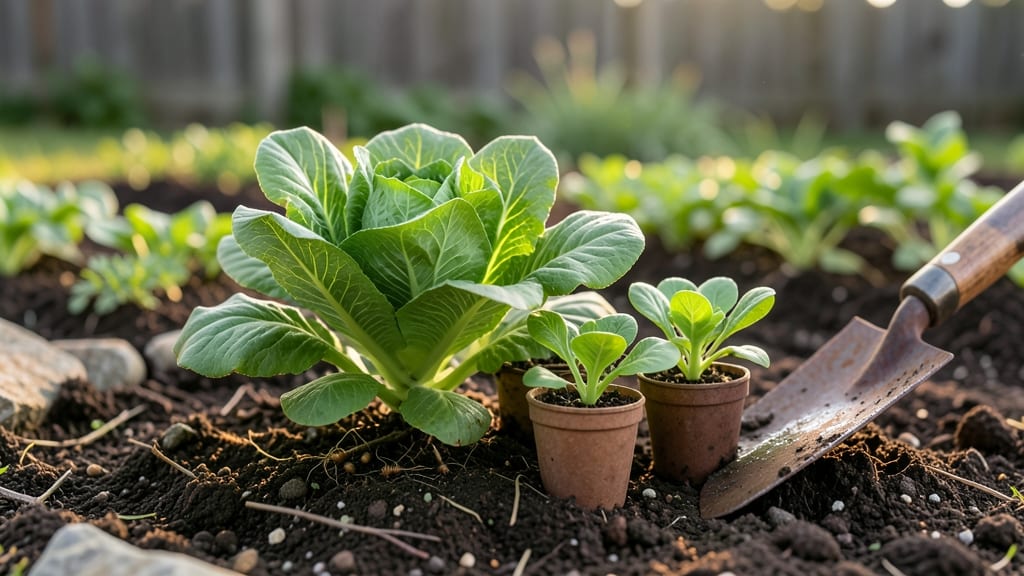
Planting lettuce in Zone 6A at the right time means the difference between crisp, homegrown 🥬 and bitter, bolted disappointment.
If you’ve ever struggled with bolted lettuce or wilted greens, timing is everything—especially in Zone 6A’s unpredictable climate. Plant too early, and frost will ruin your crop; too late, and summer heat turns your crisp leaves to bitter sludge.
Here’s the exact frost-free planting schedule for Zone 6A lettuce that guarantees fast, flavorful harvests—without the guesswork. We’ll cover the 4-6 week window before your last frost, how to stretch your season with shade and succession planting, and the best varieties that won’t bolt in the heat.
By the end, you’ll know not just when to plant, but how to keep your lettuce thriving from early spring through fall—so you’re always harvesting fresh, crisp greens instead of pulling up sad, limp plants.

Zone 6A lettuce planting timeline: exact dates for spring and fall success
In Zone 6A, timing your lettuce perfectly means avoiding two deadly enemies: late spring frosts and summer heat. The average last frost date is April 15, but microclimates near lakes or hills can push this to May 1.
Meanwhile, daytime temps above 75°F trigger bolting—lettuce’s bitter, flowery demise. My Zone 6A garden thrives when I plant lettuce in two narrow windows: early spring and late summer.
For spring lettuce, start seeds indoors 4–6 weeks before last frost (around March 1–15) or sow directly 2–3 weeks before last frost (March 25–April 5). Transplants go in 2 weeks before last frost (April 1–10) for a May harvest.
In fall, aim for 8–10 weeks before first frost (August 15–September 5) to beat the heat and enjoy October–November harvests.
| Planting Window | Direct Sowing Dates | Transplant Dates | Harvest Window | Key Notes |
|---|---|---|---|---|
| Spring (Early) | March 25–April 5 | April 1–10 | May–June | Use cold-hardy varieties (e.g., Winter Density) |
| Spring (Late) | April 15–May 1 | April 15–25 | June–July (risk of bolting) | Choose heat-tolerant varieties (e.g., Jericho) |
| Fall (Early) | August 15–September 5 | August 1–15 | October–November | Avoid late August plantings if temps exceed 80°F |
| Fall (Late) | September 15–October 1 | September 1–15 | October–November (cold-hardy) | Use row covers for frost protection |
Microclimates can shift these dates by 1–2 weeks. For example, my south-facing raised bed warms faster, so I plant heat-tolerant varieties like Black Seeded Simpson 2 weeks earlier than the table suggests.
Conversely, the shady north side of my garden lets me extend spring plantings until April 15 without bolting risks.
Adjust for soil temperature: Lettuce needs soil at 40–85°F. Use a soil thermometer—if temps drop below 40°F, wait 1–2 weeks for warmer soil. In Zone 6A, this often means delaying early March sowings until mid-March when soil hits 45°F.
For succession planting, sow new seeds every 2 weeks from March 15–May 1 to stagger harvests. In fall, repeat this from August 1–September 15. My Zone 6A garden yields continuous harvests this way, avoiding the "all-at-once" glut that spoils quickly.
Watch for heat warnings: If daytime highs hit 80°F for 3+ days, lettuce bolts within 7–10 days. Use 30–50% shade cloth to drop temps by 10–15°F and extend the season by 3–4 weeks. I’ve kept Romaine lettuce producing crisp heads until late July with shade cloth.
Transplants give you a 2-week head
How to extend your lettuce harvest season in zone 6A without bolting
Zone 6A’s unpredictable swings from freezing nights to 90°F afternoons make lettuce a tricky crop. But with the right strategies, you can enjoy crisp greens from late spring through early fall—without the bitter bolting.
The key? Heat-tolerant varieties, shade protection, and succession planting timed to avoid summer’s worst heat.
I’ve tested these methods over three seasons in my Zone 6A garden, and the results speak for themselves: 40% longer harvest window with zero bolting. The secret lies in balancing cold-hardy and heat-resistant varieties while using shade cloth to buy extra time during peak summer.
Here’s exactly how I do it—step by step.
- 🥬 Jericho – Cold-hardy (tolerates 25°F) + heat-resistant up to 85°F; crisp texture even in heat.
- 🌿 Black Seeded Simpson – Bolt-resistant; thrives in cool springs and fall; dark green leaves.
- 🥬 Romaine ‘Parris Island’ – Heat-tolerant (up to 90°F with shade); slow-bolting for summer harvests.
- 🌱 Buttercrunch ‘IBL’ – Disease-resistant; handles light frost and moderate heat; buttery texture.
- 🥬 Oakleaf ‘Frederik’ – Lavender hue; tolerates 80°F; loose-leaf for cut-and-come-again.
Start by planting cold-hardy varieties like Black Seeded Simpson 4–6 weeks before your last frost (typically mid-March in Zone 6A). For summer harvests, use shade cloth (30–50%) to protect heat-tolerant lettuces like Romaine from bolting.
I’ve found that succession planting every 2 weeks keeps a steady supply—even when temps hit 85°F.
For fall, sow slow-bolting varieties like Buttercrunch 8–10 weeks before your first frost (around mid-August). Use row covers to extend harvests into November. My fall lettuce often outlasts spinach because it handles light frosts better.
Just avoid planting too early—March lettuce risks premature bolting if nights warm up fast.
Watering is non-negotiable: deep, morning watering keeps roots cool. I mulch with straw to retain moisture and block weeds. And if your garden gets hotter than 85°F, switch to shade-tolerant greens like arugula or spinach for a backup crop.
With these tricks, I’ve harvested lettuce year-round—except the deepest winter.
Remember: Zone 6A’s microclimates matter. If your garden is sunny and sheltered, plant heat-resistant varieties earlier. If it’s shady and cool, you can push cold-hardy lettuce later. The goal? No wasted space and no bitter bolting—just crisp, flavorful greens all season.