
Plants
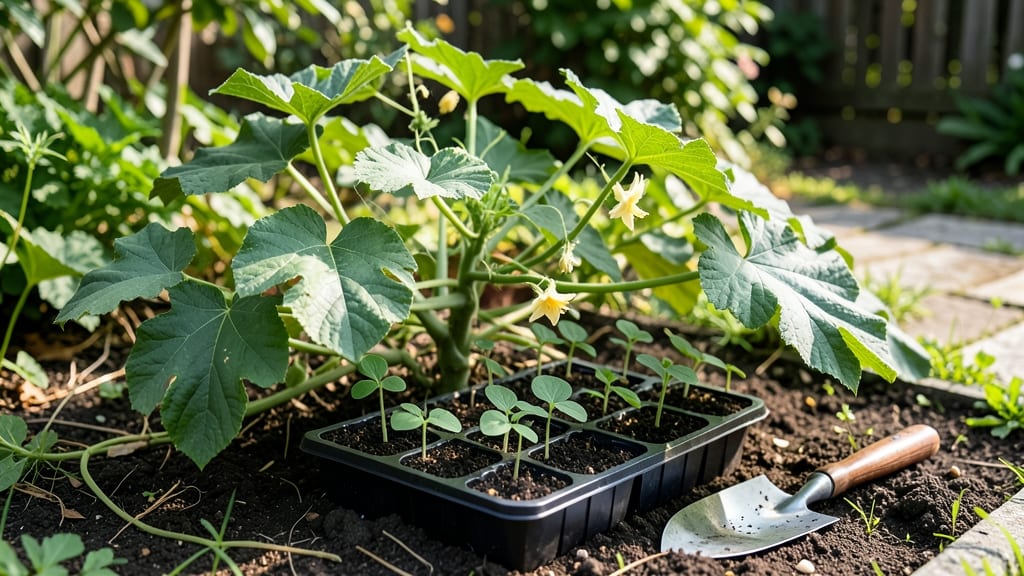
Plant melons in Zone 7 after your last frost date, when soil temperatures hit at least 70°F—typically late April to early May for most of the region.
Timing your melon planting in Zone 7 can mean the difference between a bountiful harvest and wasted effort—get it wrong, and frost or heat waves will sabotage your crop before it even starts.
In this guide, I’ll walk you through the exact frost-free timeline, soil temperature secrets, and how to adjust for early or late varieties to keep your 🍉 vines thriving all summer long.
You’ll also learn how to spot common mistakes (like planting too early or too late) and fix them before they ruin your melon patch.

Optimal soil temperature & frost-free timeline for melons in Zone 7
Melons—like cantaloupe, honeydew, and watermelon—thrive when planted after your Zone 7 last frost date (typically April 15) and in soil that’s warmed to at least 70°F (21°C).
Planting too early risks frost damage, while waiting too long can lead to overheated soil or a shortened harvest window before summer’s end. The key is balancing these factors to ensure your melons have 90+ days of warm weather to mature.
In Zone 7, melons need a 165-day frost-free season, meaning your planting window is tight but manageable with the right timing. Most varieties take 70–90 days to harvest, so aim to plant between late April and early May.
Early varieties (like ‘Sugar Baby’ watermelon) can be planted as soon as soil hits 70°F, while slower varieties (like ‘Honey Brew’ honeydew) need a later start to avoid heat stress.
Soil temperature is your best indicator—melons won’t germinate well below 70°F. Use a soil thermometer to check depths of 2–4 inches. If your mornings are still chilly (50°F or below), cover seedlings with frost cloth or wait a few more days. Remember, melons are heat-loving annuals, so rushing them into cold soil can stunt growth or invite disease.
Your Zone 7 last frost date is around April 15, but don’t rush to plant—wait until mid-to-late April when nights are consistently above 55°F (13°C). If you’re using transplants (instead of seeds), harden them off for 7–10 days before setting them out.
Seedlings are delicate, and even a light frost can kill them. For extra protection, use row covers or plant in black plastic mulch to warm the soil faster.
Heat waves in Zone 7 can be just as damaging as frost. If temperatures exceed 90°F (32°C) for prolonged periods, melons may drop flowers or develop poor fruit set. To mitigate this, provide afternoon shade cloth (30–50% shade) during peak summer months.
Drip irrigation also helps by keeping roots cool and consistent. Avoid overhead watering, which can spread fungal diseases like powdery mildew in hot, humid conditions.
For cantaloupes, aim to plant by May 1 to ensure harvests by July. Honeydews need a longer season, so plant them by early May for a September harvest. Watermelons are the most flexible—you can plant them as late as early June for a late-summer harvest, but expect smaller fruits.
Stagger your plantings by 2–3 weeks to extend your harvest window and avoid glutting your kitchen.
Monitor your garden’s microclimate—south-facing beds warm up faster than north-facing ones. If your yard has
How to adjust planting dates for early vs. late varieties in Zone 7
Staggering your melon varieties in Zone 7 is a game-changer—it lets you extend harvests from early summer to fall while avoiding the brutal July heat that can stress plants.
The key is matching day-length requirements with soil warmth and frost risks. Early varieties thrive with cooler temps, while late varieties need stable heat to set fruit.
I’ve found that cantaloupes and honeydews handle cooler spring soil better than watermelons, which demand warmth to germinate. For example, plant early varieties like 'Earlidew' honeydew in late April when soil hits 65°F, while late varieties like 'Sugar Baby' watermelon wait until mid-May when soil is 75°F+.
Here’s how to time it perfectly for Zone 7’s 165 frost-free days:
- 1 Early Varieties (60-70 days to harvest): Plant late April–early May when soil is 65–70°F. Choose cold-tolerant hybrids like 'Ambrosia' cantaloupe or 'Tastee Honey' for cooler springs.
- 2 Mid-Season Varieties (70-80 days): Plant mid-May when soil is 70–75°F. Opt for heat-tolerant types like 'Black Diamond' watermelon or 'Topmark' cantaloupe to bridge spring and summer.
- 3 Late Varieties (80-90+ days): Plant late May–early June when soil is 75°F+. Save these for heat-loving watermelons like 'Crimson Sweet' or 'Yellow Doll' honeydew to avoid summer wilting.
- 4 Succession Planting: Sow every 2 weeks from May to June for continuous harvests. Use row covers for early plantings to protect from late frosts (unlikely in Zone 7 but possible in high elevations).
Pro tip: Use a soil thermometer to confirm warmth—melon seeds won’t germinate below 65°F. I’ve wasted seeds planting too early when soil was still cool, so always test! For container growing, use black pots to absorb heat faster and plant 1–2 weeks earlier than in-ground.
Adjust for your Zone 7 microclimate: Coastal areas stay cooler longer, while inland spots heat up faster. If your summer hits 95°F+, prioritize shade cloth for late plantings to prevent blossom drop.
Mulch with straw to keep roots cool and retain moisture—melons hate soggy soil but need steady water.
By staggering varieties, I’ve harvested cantaloupes in July, watermelons in August, and even late honeydews in September—all while avoiding the stress of peak summer heat. Start with 2–3 varieties to test what works best in your garden!