
Plants
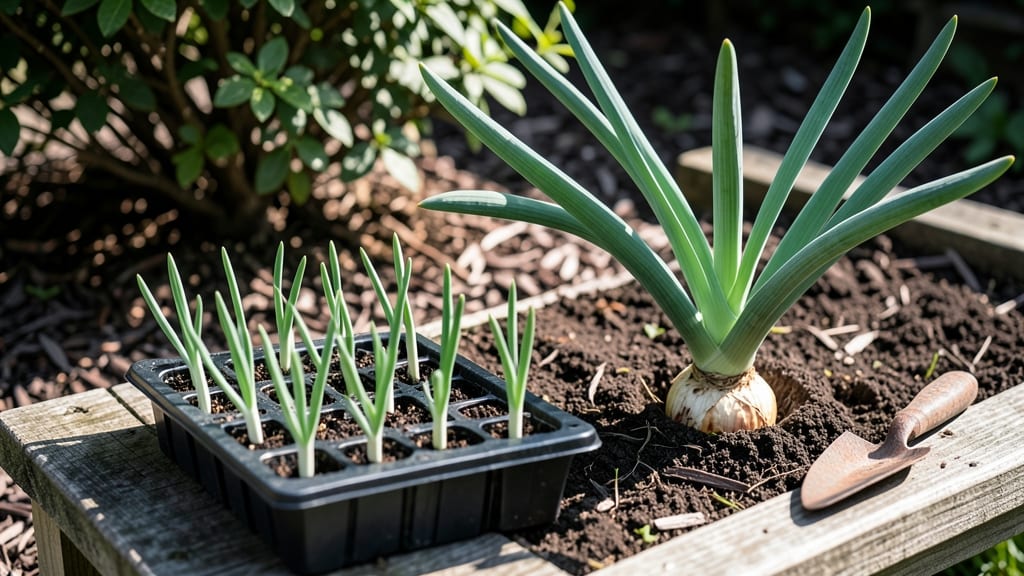
Planting onions 4-6 weeks before Zone 7’s last frost is the secret to bulbs that grow big and sweet instead of bolting or rotting in the soil.
Picture this: you’ve just pulled a pound of plump, golden onions from your garden—no store-bought substitutes needed. But miss that window, and you’re left with sad, stunted greens or onions that turn bitter too fast.
Timing isn’t just a suggestion; it’s the difference between a harvest that feeds your family and one that barely covers a recipe.
Zone 7’s March-April window for spring planting (or late summer for fall harvests) gives onions the cool soil they crave to form strong roots before the heat arrives. Too early, and they bolt; too late, and they rot. I’ve learned that the hard way—twice.
Here’s what you’ll discover: the exact weeks to plant for bulb onions, green onions, and sets, how to adjust for your microclimate (whether you’re in the Piedmont or the high desert), and the simple tricks to keep them thriving until harvest.

Best planting windows for onions in Zone 7: exact weeks before last frost
In Zone 7, where the last frost typically arrives around mid-April, timing your onion plantings correctly ensures strong bulb development and a bountiful harvest.
Onions are cool-season crops that thrive when soil temperatures hover between 45°F and 65°F, making early spring and late summer the sweet spots for planting. Missing these windows can lead to stunted growth or bolting—so let’s pinpoint the exact weeks before last frost for each planting method.
For bulb onions (like Yellow Granex or Texas Early White), aim to plant 4–6 weeks before your last frost date.
This gives roots enough time to establish before warmer weather arrives. Green onions (scallions) are more flexible, tolerating cooler soil, while onion sets (pre-grown bulbs) need slightly earlier planting to mature fully. Below, I’ve broken down the precise planting windows for each type, including temperature thresholds to avoid common pitfalls.
📌 Pro Tip: Use a soil thermometer to confirm temperatures—if soil is below 40°F, wait a week or two. Cold soil can delay germination and stunt growth.
If you’re planting in late winter (February), focus on onion sets or green onions, as seeds may struggle to germinate in cold soil. For spring bulb onions, start seeds indoors 8–10 weeks before transplanting (around late January) to get a head start.
This method works well for long-day varieties, which need more daylight to bulb up.
For fall planting, aim to sow seeds or sets 8–10 weeks before your first frost (typically late August in Zone 7). This gives onions enough time to mature before winter sets in.
Use row covers in late fall to protect young plants from unexpected cold snaps. Fall-planted onions often produce sweeter bulbs because they grow slowly in cooler weather.
Microclimates in Zone 7 can shift planting windows by 1–2 weeks. Coastal areas with milder winters may plant 2 weeks earlier than inland regions. High-desert zones, however, should wait until soil warms to 50°F to avoid bolting. Always check your local Almanac’s frost dates for precision.
⚠️ Watch Out: Planting onions too early (when soil is below 40°F) can cause rot, while planting too late (after 65°F) triggers bolting. Use mulch to moderate soil temperatures and keep moisture consistent.
To maximize your harvest, stagger plantings every 2–3 weeks in spring. This ensures a continuous supply of green onions while bulb onions mature. For example, plant the first batch in early March, followed by a second in mid-April.
In fall, a single planting in late August should yield bulbs by early winter.
Once planted, maintain 1–2 inches of water weekly and side-dress with compost when bulbs form. Avoid over-fertilizing with nitrogen, as it promotes leafy growth over bulb development. With the right timing, you’ll enjoy homegrown onions from late spring through fall—no store-bought substitutes needed! 🧅
How to adjust planting time for onion varieties (bulb, green, and sets) in Zone 7
Onions in Zone 7 thrive when planted at the right time, but the variety makes all the difference. Short-day onions (like Texas Early White) need cooler spring temperatures, while long-day onions (like Yellow Sweet Spanish) require longer summer daylight.
Green onions, however, are far more flexible—plant them anytime for quick harvests!
For bulb onions, timing is critical: start seeds indoors 8-10 weeks before your last frost (mid-April in Zone 7) or plant sets 4-6 weeks before frost. Green onions can handle cooler temps, so you can sow them as early as February or even in fall for winter harvests.
Adjust for your microclimate—coastal areas may need earlier plantings due to milder winters.
| Variety | Best Planting Time | Days to Maturity | Notes |
|---|---|---|---|
| Bulb Onions (Short-Day) | March–April (4-6 wks before frost) | 100–120 days | Plant sets; avoid late summer heat |
| Bulb Onions (Long-Day) | February–March (start indoors) | 120–150 days | Need 14+ hours daylight; harvest early |
| Green Onions | February–October (succession plant) | 30–60 days | Cold-hardy; harvest as needed |
| Onion Sets | March–April or August–September | 90–120 days | Fastest method; plant shallowly |
To extend your harvest window, try a fall planting of sets in late August for bulbs ready by October. Use row covers in early spring or late fall to protect tender seedlings from unexpected frosts.
For green onions, succession plant every 2–3 weeks from spring to fall for a steady supply.
If you’re sowing seeds instead of using sets, start them indoors 6–8 weeks before your last frost. Transplant seedlings when they’re 4–6 inches tall and harden them off for 3–5 days before moving to the garden.
This method gives you more control over germination timing but requires extra care during the seedling stage.
Don’t forget to adjust for soil temperature: onions won’t sprout well in cold, wet soil below 40°F. Use a soil thermometer to confirm it’s at least 50°F before planting. In Zone 7’s warmer inland areas, you might push spring plantings slightly later than coastal regions.
With the right timing, you can enjoy fresh onions from early spring through fall—just match your variety to your planting window and microclimate. Happy growing! 🌱