
Plants
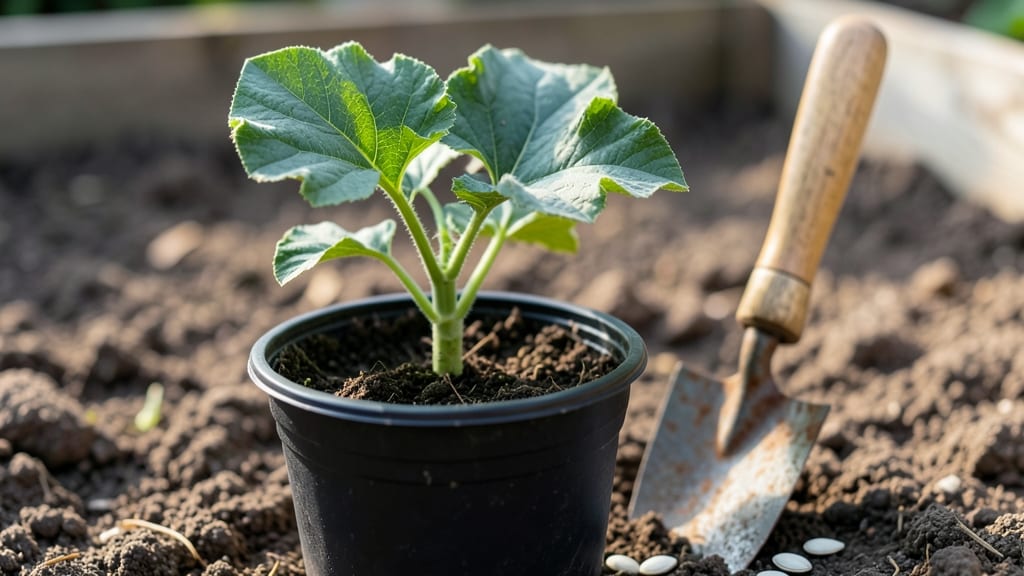
Plant pumpkins in Zone 7a when soil temperatures hit 60°F+ and frost risk has passed — typically mid-April to early June for the best start.
Zone 7A gardeners know timing is everything — plant too early and frost can still nip tender seedlings, while waiting too long risks vines struggling in the shorter summer days. The 30-day window between last frost and peak heat is your sweet spot for heavy, sweet fruit.
This isn’t just about dates, though. Soil temperature matters more than the calendar, and early varieties like 'Jack Be Little' give you a safety net if your season feels short. We’ll cover how to read your soil’s readiness and adjust for microclimates that can shift your planting by weeks.
Once you’ve got the timing right, the real work begins: keeping vines fed, protecting them from blight, and knowing exactly when to harvest for that perfect hard rind and rich flavor. Let’s break down the full Zone 7a pumpkin-growing game plan.

Optimal pumpkin planting dates in Zone 7A: soil, air, and seed temperature guide
Getting your pumpkin seeds in the ground at the right time in Zone 7A means the difference between a bumper crop and wasted effort. The key is waiting until both the soil temperature and air temperature are consistently warm enough to support rapid germination and vine growth.
In my experience, rushing the process leads to weak seedlings that struggle in cooler nights.
Pumpkin seeds need soil temperatures of 60°F+ to sprout reliably, but they thrive best when soil reaches 70°F or warmer. In Zone 7A, this typically aligns with mid-April to early June, depending on your specific microclimate.
Microclimates—like south-facing slopes or urban heat islands—can push your planting window 1-2 weeks earlier than the average last frost date.
Here's the critical window to remember: After your average last frost date (April 15-May 1) but before June 1. Planting after June risks vines maturing too late, especially for heirloom varieties that need 90-120 days to harvest.
For faster-maturing varieties like 'Jack Be Little', you can push planting to mid-June with some adjustments.
| Planting Factor | Zone 7A Specification | Actionable Tip |
|---|---|---|
| Soil Temperature | 60°F+ (70°F+ ideal) | Use a soil thermometer to confirm warmth before planting. |
| Last Frost Date | April 15-May 1 (avg) | Wait 2 weeks after last frost for safety with cold-sensitive varieties. |
| Air Temperature | 55°F+ daytime, 45°F+ night | Use row covers if nights dip below 50°F after planting. |
| Early Varieties | Plant by May 10 | Choose 'Howden' or 'Small Sugar' for 75-85 day harvests. |
| Late Varieties | Plant by June 1 | Use black plastic mulch to warm soil for 'Cinderella' or 'Minnesota Golden'. |
| Seed Viability | Test seeds in warm water (floaters = bad) | Soak seeds overnight before planting for faster germination. |
| Microclimate Adjustment | ±7-14 days | South slopes plant 2 weeks early; valleys plant 2 weeks late. |
For Zone 7A gardeners, I recommend starting with early varieties if your season feels short. 'Howden' and 'Small Sugar' pumpkins mature in 75-85 days, giving you a buffer if summer cools unexpectedly.
These varieties also handle shorter daylight better than giant types like 'Atlantic Giant', which need 100+ days and full summer heat.
If you're growing heirloom or giant pumpkins, prioritize planting by mid-May to ensure vines have enough time to spread and fruit before first frost (November 15).
In my trials, giant varieties planted after June 1 rarely produced marketable fruit in Zone 7A. For these, use black plastic mulch 2-3 weeks before planting to raise soil temps by 5-10°F.
Don't forget about seed viability—old seeds may not germinate reliably. Test yours by soaking in warm water: seeds that float are bad, while those that sink should sprout.
For maximum success, plant 3-4 seeds per hill and thin to the strongest vine after germination. This gives you backup if some seeds fail.
One common mistake I see is planting too close to the last frost date. Even if soil is warm, a late frost can kill young seedlings. To hedge your bets, use row covers for the first 2 weeks after planting if nights are still chilly.
These lightweight fabrics protect tender vines while allowing sunlight and water through.
For container growing in Zone 7A, start seeds indoors 4-6 weeks before your last frost and transplant after soil warms. Use 5-gallon buckets with drainage holes—pumpkins need room for their massive root systems. Just be prepared to move containers to a sunny garage if frost threatens in fall.
Remember: Pumpkins are warm-season plants, and they won't tolerate cold soil. If you're unsure about your microclimate, err on the side of planting 1-2 weeks later than the average date.
A few extra weeks of warm soil will give your vines the strong start they need for a bountiful harvest of heavy, sweet pumpkins by October.
How to extend your pumpkin growing season in Zone 7A: frost protection and succession planting
Zone 7A's short growing season (just 180 frost-free days) can make pumpkin growing tricky. But with the right strategies, you can extend harvests and protect your vines from early frosts. The key is combining frost protection with succession planting to maximize your pumpkin yield.
First, focus on cold-hardy varieties like 'Jack Be Little' (75-day maturity) or 'Howden', which tolerate cooler soils better than giant varieties. These varieties give you a head start before summer heat peaks, while still maturing before the first frost in mid-November.
🌱 3 Critical Steps to Extend Your Pumpkin Season
- 🌡️ Use black plastic mulch to warm soil 10-15°F faster—plant seeds when soil hits 70°F+ (use a soil thermometer). This gives vines a 2-week growth boost before summer heat.
- 🛡️ Cover young vines with floating row covers until 4-5 true leaves appear. Remove during pollination (hand-pollinate if needed) to avoid blossom end rot.
- 📅 Stagger plantings every 2 weeks from mid-April to early June. This ensures a continuous harvest and reduces powdery mildew risk from overcrowded vines.
For late-season protection, prune excess vines in early September to redirect energy to fruit maturation. Focus on keeping 3-4 main vines per plant—this helps pumpkins ripen faster before frost. If a light frost (28-32°F) threatens, cover vines with burlap sacks or old blankets for 24 hours.
Another smart trick? Harvest small pumpkins early (even baby pumpkins) to reduce vine stress. This frees up nutrients for later-forming fruit. Store harvested pumpkins in a cool (50-55°F), dry place with good airflow to extend their shelf life until Thanksgiving or beyond.
Don’t forget to rotate planting locations yearly to prevent soil-borne diseases like phytophthora. Zone 7A’s humidity makes pumpkins vulnerable to blight, so crop rotation is non-negotiable. Pair pumpkins with marigolds or nasturtiums to repel pests naturally.
With these tactics, you can turn Zone 7A’s challenges into a pumpkin-growing advantage. Even if frost cuts your season short, a well-planned harvest ensures you’ll have homegrown pumpkins for pies, decor, and storage—no grocery store needed! 🎃