
Plants
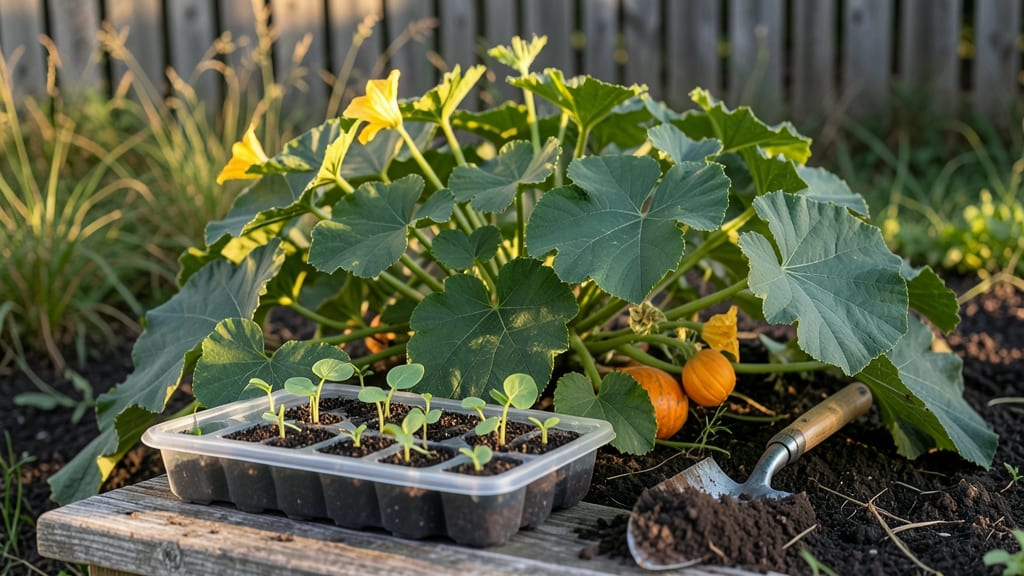
To plant pumpkins in Zone 9b, aim for late winter to early spring when soil temperatures hit 60°F—any earlier risks heat stress, while waiting too long shortens the growing season.
Picture this: you’ve cleared space in your garden, but if you plant too close to summer’s peak, your vines will struggle under the desert sun. The key is getting those seeds in the ground 4–6 weeks before the hottest months, so they mature before temperatures climb past 95°F.
Zone 9b’s long, frost-free growing season means you’ve got more flexibility than cooler climates, but that doesn’t mean you can slack off. Heat stress, pests like squash bugs, and uneven watering can derail even the most promising pumpkin patch.
In this guide, I’ll break down the exact weeks to plant for a bountiful harvest, share heat-beating tips, and recommend the best varieties that thrive in Zone 9b’s climate—so you can go from seed to pumpkin without the guesswork.

Optimal pumpkin planting weeks before frost in Zone 9b
Zone 9b gardeners have a unique advantage: no frost to worry about! Unlike colder climates, your pumpkin planting window isn't constrained by frost dates. Instead, focus on avoiding summer heat stress and aligning your harvest with cool fall temperatures.
The key is planting 80-100 days before your first cool snap (typically late August in most of Zone 9b).
For direct sowing, aim to plant pumpkin seeds in late February to early March. This gives vines time to establish before summer's peak heat arrives. If you prefer transplants, start seeds indoors 6-8 weeks before your target outdoor date (around mid-January).
Here's the critical rule: Never plant pumpkins in June or July—the intense Zone 9b heat will stunt growth and reduce yields. Instead, time your planting for spring's mild temperatures when soil stays consistently above 60°F.
Coastal areas can plant slightly later (up to mid-April) due to cooler ocean breezes.
| Planting Method | Optimal Planting Window | Soil Temp Requirement | Days to Harvest | Microclimate Adjustment |
|---|---|---|---|---|
| Direct Sowing | Late February - Early March | 60°F+ consistently | 80-100 days | Coastal: up to mid-April |
| Transplanting | Mid-January (indoors) → March (outdoors) | 65°F+ minimum | 90-110 days | Inland: start seeds earlier |
| Summer Varieties | Late March - Early April | 70°F+ minimum | 75-85 days | Use shade cloth if needed |
| Fall Varieties | Early February - Mid-March | 55°F+ minimum | 100-120 days | Avoid late summer planting |
Your Zone 9b microclimate plays a huge role in timing. Inland areas like Phoenix should plant 2-3 weeks earlier than coastal regions like Santa Barbara, where ocean breezes delay summer heat. Use a soil thermometer to confirm temperatures—pumpkin seeds need consistent warmth above 60°F to germinate properly.
For fastest results, choose smaller varieties like 'Jack Be Little' (75 days) or 'Cinderella' (85 days). These mature before summer's peak heat arrives. Larger varieties like 'Howden' need 100+ days, so plant them by early February for a fall harvest. Always check your specific variety's days-to-maturity label.
Pro tip: Mulch heavily after planting to retain moisture and cool soil. Use straw or black plastic mulch to protect young vines from Zone 9b's intense sun.
This extends your planting window by 1-2 weeks in both directions. Just remember—never mulch until soil is warm (after March 15th in most cases).
Monitor your local weather patterns closely. If you notice unusually early heat waves (common in Zone 9b), delay planting until temperatures stabilize. The goal is to have pumpkins fully mature before September, when nights begin cooling. This prevents blossom end rot and ensures sweet, flavorful fruit.
One common mistake is overestimating frost risk in Zone 9b. While frost is rare, cool snaps in October can damage vines. Plan to harvest before October 15th to avoid any potential chill damage.
For extra protection, choose cold-tolerant varieties like 'Sugar Pie' or 'Small Sugar' that handle brief cool spells better.
Finally, consider succession planting for a continuous harvest. Plant a second batch in early April for a late summer crop, then a third in mid-May if you're using fast-maturing varieties.
This staggered approach maximizes your yield in Zone 9b's long growing season. Just remember—never plant after June 1st for reliable results.
How to extend your pumpkin growing season in Zone 9b’s heat
Zone 9b’s scorching summers can turn pumpkin vines into heat-stressed shadows if you don’t plan ahead. The key is strategic timing and heat mitigation—think of it like giving your pumpkins a cooling vest while they grow.
By combining soil prep, smart watering, and shade solutions, you can push your harvest into late fall when temperatures dip slightly.
First, focus on late spring planting (March to early April) to avoid the worst heat. This gives vines time to establish roots before summer’s peak. Pair this with heat-tolerant varieties like ‘Cinderella’ or ‘Small Sugar’—these mature in 75-90 days, perfect for Zone 9b’s short growing window.
Even with the best timing, your pumpkins will need extra care to thrive.
- 🌱 Soil Prep: Amend soil with 3-4 inches of compost + mulch to retain moisture. Aim for 6.0-7.0 pH—pumpkins hate acidic soil.
- 💧 Watering: Deep water 2-3x weekly (1-2 inches per session). Use drip irrigation to avoid wetting leaves (prevents fungal diseases).
- ☀️ Shade Solutions: Install 30-50% shade cloth over vines during 10 AM–4 PM (peak heat). For young plants, use row covers until established.
- 🌿 Companion Planting: Surround vines with bush beans (fixes nitrogen) or marigolds (repels pests). Avoid planting near potatoes—they compete for nutrients.
- ✂️ Pruning: Trim excess vines to focus energy on fruit development. Remove yellowing leaves to improve airflow and reduce heat stress.
Your watering schedule is the most critical factor in Zone 9b. Pumpkins need consistent moisture, but overwatering leads to root rot. I use a soaker hose buried 2 inches deep to deliver water directly to roots, reducing evaporation.
Always water in the early morning (before 8 AM) to let foliage dry before afternoon heat sets in.
For shade solutions, I’ve had success with floating row covers during the first 4-6 weeks after planting. These create a microclimate that’s 5-10°F cooler, giving seedlings a fighting chance.
Once vines are 3 feet long, upgrade to 50% shade cloth strung between posts. This blocks 30-50% of sunlight while still allowing photosynthesis—ideal for summer’s intensity.
Don’t overlook companion planting—it’s a game-changer in Zone 9b. I plant French marigolds around my pumpkin patch to deter cucumber beetles, a common pest in desert climates. Additionally, bush beans planted near vines add nitrogen to the soil, boosting vine health.
Avoid planting squash or zucchini nearby, as they attract the same pests and compete for space.
Finally, monitor your pumpkins for heat stress signs: yellowing leaves, drooping vines, or blossom drop. If you see these, immediately increase shade and water deeply.
With these strategies, I’ve extended my Zone 9b pumpkin season by 6-8 weeks, ensuring a harvest even when temperatures flirt with 110°F.