
Plants
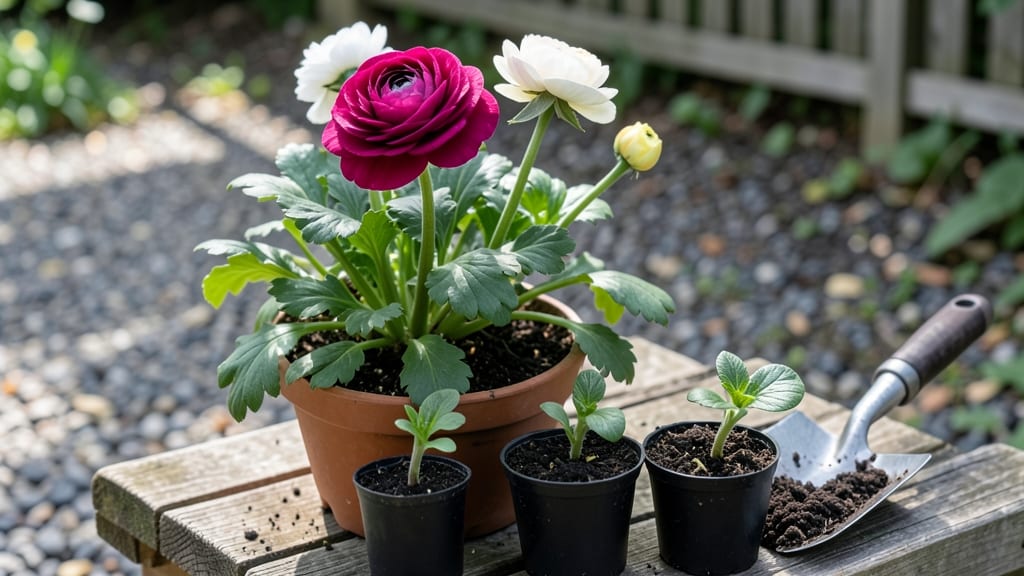
Planting ranunculus bulbs in Zone 6 at the right time ensures those velvety blooms appear just as spring arrives—no frost damage, no wasted effort.
Picture this: you’ve waited all winter, and your garden bursts into color with hundreds of 🌸 ranunculus—but only if you plant them 8-12 weeks before your last frost (around late February to early March in most of Zone 6).
Miss that window, and you’ll either lose them to cold or watch them struggle to bloom before summer heat sets in.
This isn’t just about dates—it’s about soil temperature, too. Ranunculus tubers need 50°F soil to wake up, and night temps above 40°F to stay safe. In northern Zone 6, that might mean starting them indoors in February, while southern areas can plant directly in March.
Get it wrong, and you’ll end up with weak stems or no flowers at all.
Here’s what you’ll learn: the exact frost-free timeline for your corner of Zone 6, how to prep soil for perfect growth, and why fall planting is a gamble (spoiler: it rarely works here). Let’s get those tubers in the ground the right way.

Optimal ranunculus planting dates in Zone 6: avoiding frost damage
Timing your ranunculus planting in Zone 6 is critical—these delicate spring bloomers demand precise conditions to thrive. The last frost date in Zone 6 typically falls around April 15, but regional variations mean your exact window may shift by 1-2 weeks.
Plant too early, and frost damage will blacken your tubers; too late, and you’ll miss their May-June glory.
For spring blooms, aim to plant ranunculus tubers 8-12 weeks before your last frost. This usually lands in late February to early March for most of Zone 6.
If you’re growing for fall color, plant in early August—but be warned: Zone 6’s first frost (October 15) may cut blooms short unless you use row covers.
Soil temperature is just as critical as air temperature. Ranunculus tubers need soil to warm to at least 50°F (10°C) before planting.
In northern Zone 6 (e.g., Chicago, Minneapolis), this may not happen until late April, while southern Zone 6 (e.g., St. Louis, Cincinnati) can plant as early as mid-March.
⚠️ PRO TIP: Use a soil thermometer to confirm readiness. If temps dip below 40°F (4°C) at night, protect young shoots with frost cloth.
| Planting Window | Zone 6 Last Frost | Soil Temp Threshold | Regional Adjustments |
|---|---|---|---|
| Spring Blooms | April 15 | 50°F (10°C) |
North Zone 6: Plant late March South Zone 6: Plant mid-March |
| Fall Blooms | October 15 | 60°F (15°C) |
Northern Zone 6: August 1-15 Southern Zone 6: August 15-30 |
| Indoor Start | N/A | 65°F (18°C) | Start 8-12 weeks before last frost (typically January-February) |
If you’re starting ranunculus indoors, begin tubers in January or February under grow lights to give them a head start. Transplant outdoors only after soil warms and nighttime temps stay above 40°F (4°C).
This usually aligns with late April in most of Zone 6, but microclimates matter—low-lying areas may need row covers for an extra 2-3 weeks of protection.
For container gardening, use well-draining pots and plant 2-3 tubers per 6-inch pot. Containers warm faster than garden soil, so you can plant 1-2 weeks earlier than in-ground. Just ensure pots are protected from frost during early spring or late fall plantings.
Zone 6’s northern edge (e.g., Madison, WI; Burlington, VT) faces higher frost risk.
In these areas, delay outdoor planting until mid-April or use a cold frame to extend the season. Southern Zone 6 (e.g., Nashville, TN; Pittsburgh, PA) can plant as early as February 20 in protected microclimates, like near south-facing walls.
Remember: ranunculus tubers are frost-sensitive but drought-tolerant. If you miss the ideal window, don’t panic—just plant in May for summer blooms, though yields may be smaller. The key is consistent soil moisture once planted, as dry spells can cause bud drop.
For fall planting, focus on early August to give blooms time to establish before first frost. Use black plastic mulch to warm soil faster and extend the season by 10-14 days.
Just be prepared to harvest quickly—fall ranunculus often bloom in September and fade by October.
🌸
Step-by-Step guide to planting ranunculus bulbs in Zone 6 soil
Now that you’ve nailed the planting timeline for Zone 6, let’s dive into the hands-on steps to ensure your ranunculus tubers thrive. The secret to lush blooms lies in soil prep, proper depth placement, and smart spacing—all tailored to Zone 6’s cool spring conditions.
Follow these steps to avoid common pitfalls like rotting tubers or weak stems.
Start by choosing a sunny spot with at least 6 hours of sunlight daily. Ranunculus loves well-draining soil, so if your garden soil is heavy clay, amend it with compost or sand to improve aeration.
A pH between 6.0 and 7.0 is ideal—test your soil and adjust with lime or sulfur if needed. This prep work is non-negotiable for preventing root rot in Zone 6’s damp springs.
- 📅 Step 1: Prep Soil – Loosen soil to 12 inches deep with a garden fork. Mix in 2-3 inches of compost and a slow-release bulb fertilizer (10-10-10 ratio).
- 🌱 Step 2: Plant Depth – Place tubers 2 inches deep, with the flat side down. This mimics their natural growth pattern and prevents stem weakness.
- 📏 Step 3: Spacing – Space tubers 3-4 inches apart in rows 6 inches apart. Closer spacing works for cut flower gardens, but leave room for airflow to reduce fungal diseases.
- 💧 Step 4: Water Gently – Water thoroughly after planting, but avoid soaking the soil. Use a fine mist or soaker hose to keep tubers from shifting.
- 🌡️ Step 5: Mulch Lightly – Apply 1 inch of straw mulch to retain moisture and regulate soil temperature. Avoid thick mulch, which can smother emerging shoots.
One of the biggest mistakes I see in Zone 6 gardens is planting tubers too deep. Ranunculus needs that 2-inch depth to prevent rot, but burying them deeper (like 3+ inches) can lead to weak stems that flop under their own weight.
If your soil is sandy, you can plant slightly shallower (1.5 inches), but never deeper than 2.5 inches.
After planting, monitor for emerging shoots in 4-6 weeks. If your Zone 6 spring brings unexpected late frosts, protect young plants with a cloche or row cover.
Once shoots reach 2 inches tall, you can remove protection—just don’t let them bake in sudden Zone 6 heat waves, which can scorch tender leaves.
For maximum blooms, fertilize lightly with a balanced 5-10-10 fertilizer when shoots appear, then again when buds form. Over-fertilizing leads to leafy growth at the expense of flowers, so stick to the 1 tbsp per square foot rule. Deadhead spent blooms to encourage continuous flowering through early summer.
With these steps, your Zone 6 ranunculus will reward you with velvety, papery blooms that last 2-3 weeks in vases. The key is patience—these tubers need time to establish roots before they’ll burst into color.
And remember, consistency is everything: keep soil moist but not soggy, and you’ll avoid the #1 Zone 6 ranunculus killer—rot. 🌸