
Plants
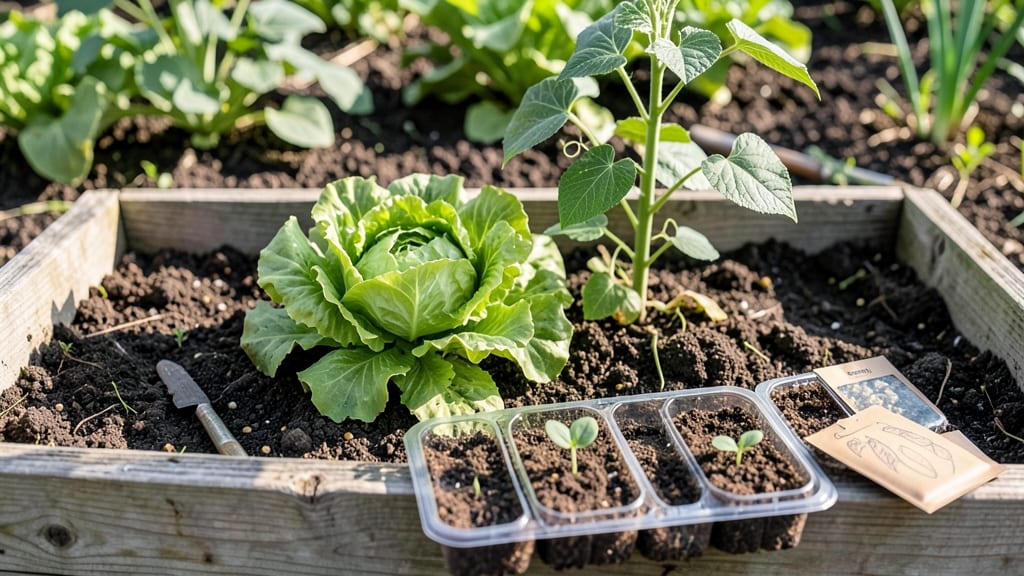
Planting seeds in Zone 5 at the right time ensures your 🌱 General Seeds thrive instead of withering under late frosts or bolting in summer heat.
Timing your seed planting in Zone 5 can mean the difference between a thriving garden and a disappointing harvest—get it wrong, and frost will wipe out your hard work in days.
With average last frosts around April 15 and first frosts creeping in by October 15, knowing when to start cool-season crops indoors or sow warm-season seeds directly is the key to a productive garden.
Below, I break down the best planting windows for your favorite vegetables and flowers, plus tips to extend your growing season when Mother Nature throws curveballs.

Zone 5 last frost dates by month: when to plant seeds for maximum success
Understanding your Zone 5 last frost dates is the key to unlocking a bountiful garden.
In this region—spanning states like New York, Nebraska, and Colorado—the average last spring frost arrives between April 15 and May 15, while the first fall frost typically hits October 15 to October 30.
These dates create a 150-day growing season, but regional microclimates can shift your timeline by weeks.
Cool-season crops like lettuce and peas thrive when planted 4-6 weeks before your last frost, while warm-season favorites such as tomatoes and peppers need to wait until 2 weeks after the danger of frost has passed.
Missing these windows can leave your seedlings vulnerable to frost damage, stunting growth or killing young plants entirely.
Here’s how to navigate planting times with confidence—including regional variations and crop-specific strategies to maximize your harvest potential.
| Month | Avg. Last Frost | Cool-Season Crops | Warm-Season Crops | Regional Notes |
|---|---|---|---|---|
| March | Late March (varies) | Peas, spinach, kale | None (too cold) | Northern Zone 5: Wait until April |
| April | Mid-April (avg.) | Lettuce, carrots, radishes | Start indoors: tomatoes, peppers | Southern Zone 5: Plant outdoors late April |
| May | Early May (safe) | Broccoli, cabbage | Direct sow: beans, cucumbers | Use row covers for early May frosts |
| June | N/A | None (too warm) | Peppers, eggplants, melons | Mulch to retain moisture |
| August | N/A | Late crops: kale, spinach | Succession plant: beans, lettuce | Extend season with cold frames |
| September | Late Sept (first frost risk) | Radishes, arugula, turnips | None (too late) | Harvest warm crops before frost |
| October | Mid-October (avg.) | Garlic, onions, cover crops | None | Northern areas: Plant garlic in Oct |
For cool-season crops, aim to plant 4-6 weeks before your last frost—this gives seedlings time to establish roots before temperatures rise.
For example, spinach and peas can handle light frosts, so March plantings often succeed in southern Zone 5 (e.g., Colorado Springs), while northern areas like Minneapolis may need to wait until April.
Warm-season crops like tomatoes and peppers require soil temperatures above 55°F (13°C) to germinate. In Zone 5, this typically means waiting until May
Best seed planting schedule for Zone 5 vegetables and flowers
Mastering the Zone 5 planting schedule ensures your garden thrives year-round. With 150 frost-free days, timing is everything—plant too early, and frost will kill tender seedlings; too late, and you miss peak harvests.
My strategy? Plan for cool-season crops in early spring and fall, while warm-season favorites get a summer start after the last frost.
Succession planting is your secret weapon for continuous harvests. By staggering lettuce, radishes, and marigolds every 2-3 weeks, you’ll enjoy fresh produce all season. For example, I sow bush beans in late May, then again in early July to keep the harvest going until frost.
Let’s dive into the month-by-month breakdown to maximize your garden’s potential.
🌱 Zone 5 Planting Schedule by Month
- March: Start cool-season veggies indoors—spinach, kale, peas. Direct-sow onions, carrots outdoors if soil is workable.
- April: Plant lettuce, radishes, marigolds outdoors after soil warms. Begin tomato and pepper seeds indoors (6-8 weeks before last frost).
- May: Transplant tomatoes, peppers, basil after last frost (around April 15). Sow cucumbers, zucchini directly.
- June: Direct-sow beans, corn, sunflowers. Succession plant bush beans, beets every 2 weeks.
- July: Start fall crops indoors—broccoli, cabbage. Sow spinach, arugula outdoors for late-summer harvests.
- August: Plant cool-season flowers like pansies, snapdragons. Succession-sow radishes, lettuce for fall.
- September: Direct-sow garlic, onions for next year. Transplant broccoli, cauliflower seedlings.
For warm-season crops, I always wait until soil temperatures hit 60°F+—use a soil thermometer to avoid cold shock. Peppers and eggplants are especially sensitive; I start them indoors in March and harden them off before transplanting in May.
Pro tip: Use row covers to extend the season for heat-loving plants like tomatoes.
Don’t overlook succession planting for leafy greens and root vegetables. I sow lettuce every 3 weeks from April to August, ensuring a steady supply. For radishes, which mature in just 25 days, I plant them every 2 weeks—perfect for quick harvests between slower-growing crops like carrots.
Flowers like marigolds and zinnias thrive in Zone 5’s summer heat. I direct-sow marigolds in May and August to deter pests and add color. For annuals like petunias, wait until after Memorial Day to avoid frost damage.
Fall-blooming asters and chrysanthemums get planted in early September for stunning autumn displays.
Plan ahead for fall harvests by starting broccoli and cabbage indoors in July. These cool-season crops need 60-70 days to mature, so time your planting to finish before the first frost (October 15).
Mulch heavily to protect roots and extend the growing season by 2-3 weeks. With this schedule, your Zone 5 garden will be productive from spring to frost!