
Plants
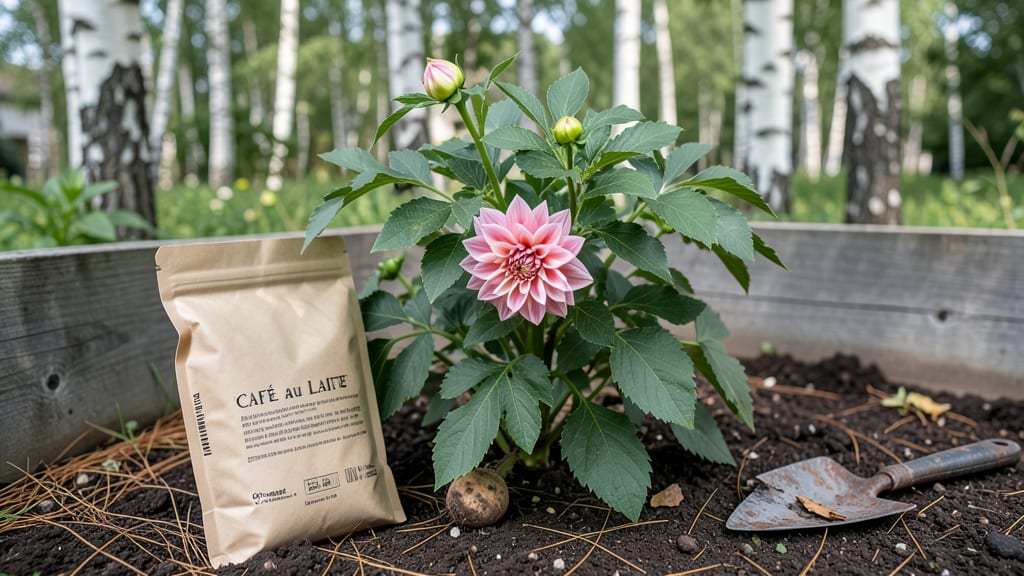
Planting summer bulbs 🌸 in Zone 7 after the last frost—around mid-April—sets the stage for a showstopping summer garden.
Miss that window, and you risk bulbs rotting in cold soil or blooms arriving too late for peak enjoyment. I’ve seen dahlias and cannas flop when planted too early, so timing is the key to vibrant, long-lasting color.
In Zone 7, where frosts linger until April 15, waiting for soil to warm to 60°F ensures roots establish before the heat arrives. That’s why April through June is your sweet spot—just in time for summer’s main stage.
Here’s how to nail it: when to plant by variety, how to prep soil for maximum blooms, and the 3 signs your bulbs are thriving (or in trouble). Let’s get those gladiolas and crocosmias off to a flying start.

Zone 7 summer bulb planting calendar: exact dates by variety
Getting your summer bulbs in the ground at the right time ensures vibrant blooms from early summer through fall.
In Zone 7, where last frost typically hits around April 15, timing varies by variety—some need to go in as soon as soil warms, while others wait until late May.
I’ll break down the exact windows for dahlias, cannas, gladiolas, and lilies, plus how to adjust for your local microclimate.
Most summer bulbs thrive when planted after the last frost but before mid-June. The key is balancing soil warmth (at least 60°F) with avoiding late spring heatwaves, which can stress newly planted bulbs.
For example, dahlias need 6-8 weeks to establish roots before blooming, so planting them too late means fewer flowers. Let’s dive into the precise calendar for each variety.
🌱 Pro Tip: Use a soil thermometer to check if your garden is ready—most summer bulbs prefer soil temps between 60°F and 70°F. If your area has late frosts (like Zone 7a), wait until May 1 for heat-sensitive varieties like cannas.
For Zone 7a gardeners (colder microclimates), push planting dates 1–2 weeks later to avoid late frosts. For example, if your area’s last frost is May 1, wait until May 15 for cannas and gladiolas.
Conversely, in Zone 7b (warmer), you can plant dahlias as early as April 1 if soil temps are ideal.
Stagger your planting for continuous blooms. For instance, plant half your dahlias in April and the other half in mid-May. This ensures flowers from July through October instead of a single peak. Pair early bloomers like daylilies with late-season gladiolas for a non-stop color show.
After planting, focus on watering deeply (1–2 inches per week) and mulching with straw or shredded leaves to retain moisture. Avoid fertilizing until shoots are 4–6 inches tall—this prevents burning tender roots. Use a balanced fertilizer (10-10-10) when buds form to boost blooms.
If you’re in a low-lying or shady area, opt for heat-tolerant varieties like ‘Kafir’ cannas or ‘Little Chief’ dahlias, which handle partial shade
How to adjust planting time for early vs. late bloomers
Not all summer bulbs bloom at the same time, and adjusting your planting schedule can transform your garden from a short-lived color burst into a continuous summer show.
In Zone 7, where frost dates vary by 1-2 weeks across regions, strategic timing ensures no gaps in your floral displays.
Early bloomers like tulips (though technically spring bulbs) and bearded irises can be planted as early as late February for spring color, while heat-lovers like dahlias and cannas thrive when planted after April 15. The key is understanding each bulb’s cold tolerance and heat sensitivity.
For early bloomers, such as crocuses or hyacinths, plant them 6-8 weeks before your last expected frost date. In Zone 7, this means late February to early March. These bulbs need chilling time to trigger blooms, so don’t wait until spring.
Conversely, late-season bulbs like gladiolas and dahlias can handle warmer soil and should be planted after the last frost, ideally in May or June, to avoid rot in cold, wet soil.
- 🌱 Plant heat-sensitive bulbs (e.g., dahlias, cannas) after April 15 in Zone 7 to avoid frost damage.
- 🌿 Stagger planting every 2-3 weeks for continuous blooms (e.g., plant gladiolas in May, June, and July).
- ❄️ Watch for late frosts—cover bulbs with row fabric if temps dip below 32°F after planting.
- ☀️ Prioritize full sun for late bloomers like lilies; they need 6+ hours of sunlight to thrive.
- 📅 Use a garden journal to track bloom times and adjust next year’s planting schedule.
To extend your bloom season, consider staggered planting. For example, plant half your gladiolas in early May and the rest in mid-June. This ensures the first batch blooms in July while the second batch takes over in August.
The same strategy works for dahlias: start with tuberous types in May for early color, then add larger varieties in June for a delayed but dramatic display.
Late frosts can derail even the best-laid plans. If your Zone 7 area experiences unexpected cold snaps in May, protect newly planted bulbs with frost cloth or a mini greenhouse. Signs your bulbs need protection include wilted leaves, blackened stems, or soil heaving due to freeze-thaw cycles.
Remove covers once temperatures consistently stay above 50°F during the day and 40°F at night.
For heat-sensitive bulbs like cannas, plant them after Memorial Day (late May) to give the soil time to warm up. These bulbs thrive in hot, humid conditions and will reward you with bold foliage and vibrant blooms from July through October.
Pair them with late-blooming perennials like black-eyed Susans or sedum to create a low-maintenance summer border.
Finally, don’t forget to mulch around your bulbs after planting. A 2-3 inch layer of straw or shredded leaves helps regulate soil temperature, retains moisture, and suppresses weeds. For container-grown bulbs, use lightweight mulch like coco coir to prevent soil compaction.
With these adjustments, your Zone 7 garden will burst with color from spring through fall—no gaps, no guesswork! 🌸